Seven NFL Players Who Successfully Transitioned Positions After College
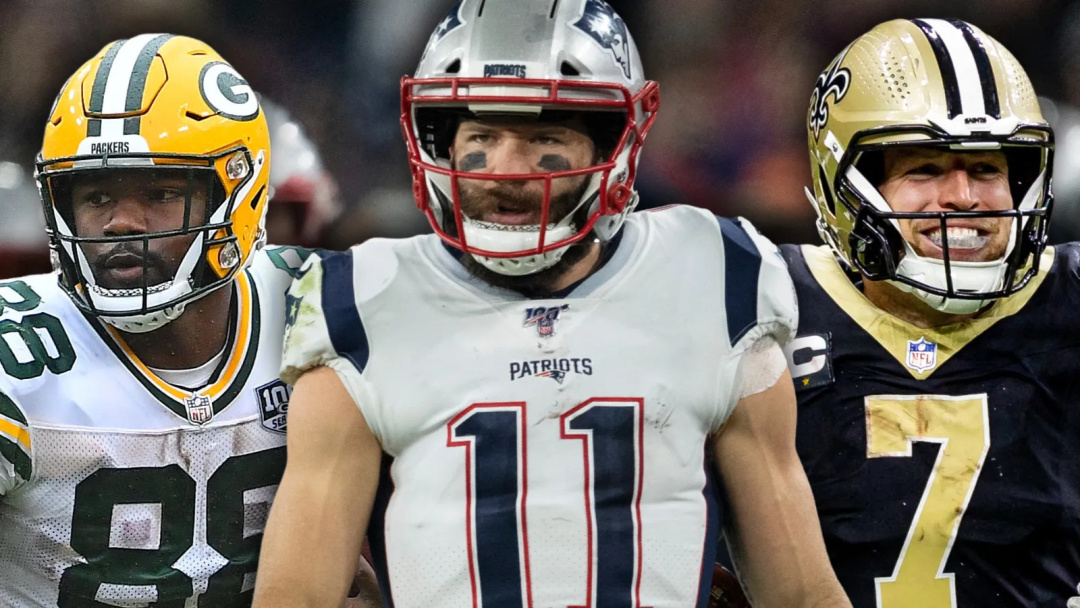
In the competitive landscape of the NFL, adaptability can be the key to securing a roster spot. Many players find themselves needing to pivot from their college positions to thrive at the professional level. This article highlights seven notable NFL players who successfully transitioned to new roles after their college football careers, showcasing their versatility and determination.
Taysom Hill is a prime example of this adaptability. After a successful career as a dual-threat quarterback at BYU, he went undrafted in the 2017 NFL Draft. Initially signed by the Green Bay Packers, Hill's journey took a turn when he joined the New Orleans Saints. Starting as a special teams player, he eventually carved out a niche for himself as a versatile offensive weapon, playing as a receiver, tight end, and even a quarterback. Hill's unique ability to contribute in multiple roles has made him a valuable asset, and he is the only player in the modern era to record over 1,000 yards as a passer, receiver, and runner.
Similarly, Julian Edelman’s path to success involved a significant position change. Originally a quarterback at Kent State, Edelman had to adapt to the NFL's demands. He began his career with the New England Patriots as a kick and punt returner before transitioning to wide receiver. His hard work paid off, as he became one of the most reliable receivers in the league, ultimately earning Super Bowl MVP honors in 2019 and ranking third in all-time playoff receiving yards.
Terrelle Pryor also made a notable switch from quarterback to wide receiver. After starting his career at Ohio State and being drafted by the Oakland Raiders, Pryor struggled to find his footing as a quarterback. However, after a suggestion from a friend, he transitioned to receiver, where his size and speed allowed him to thrive. Over his career, Pryor recorded over 1,500 receiving yards and seven touchdowns, proving that sometimes a change in position can lead to newfound success.
Delanie Walker's journey is another testament to the importance of versatility. Initially a wide receiver at Central Missouri, Walker was drafted by the San Francisco 49ers as a tight end. His transition was seamless, as he went on to become one of the fastest tight ends in NFL history, accumulating nearly 6,000 yards and 36 touchdowns over his 14-season career.
The value of adaptability in player roles
Joe Staley's story is also worth noting. After a promising start as a tight end at Central Michigan, he was moved to offensive tackle by his coach, Brian Kelly. Staley embraced the change and became a first-round pick for the 49ers, earning six Pro Bowl selections and three All-Pro honors during his 13-year career.
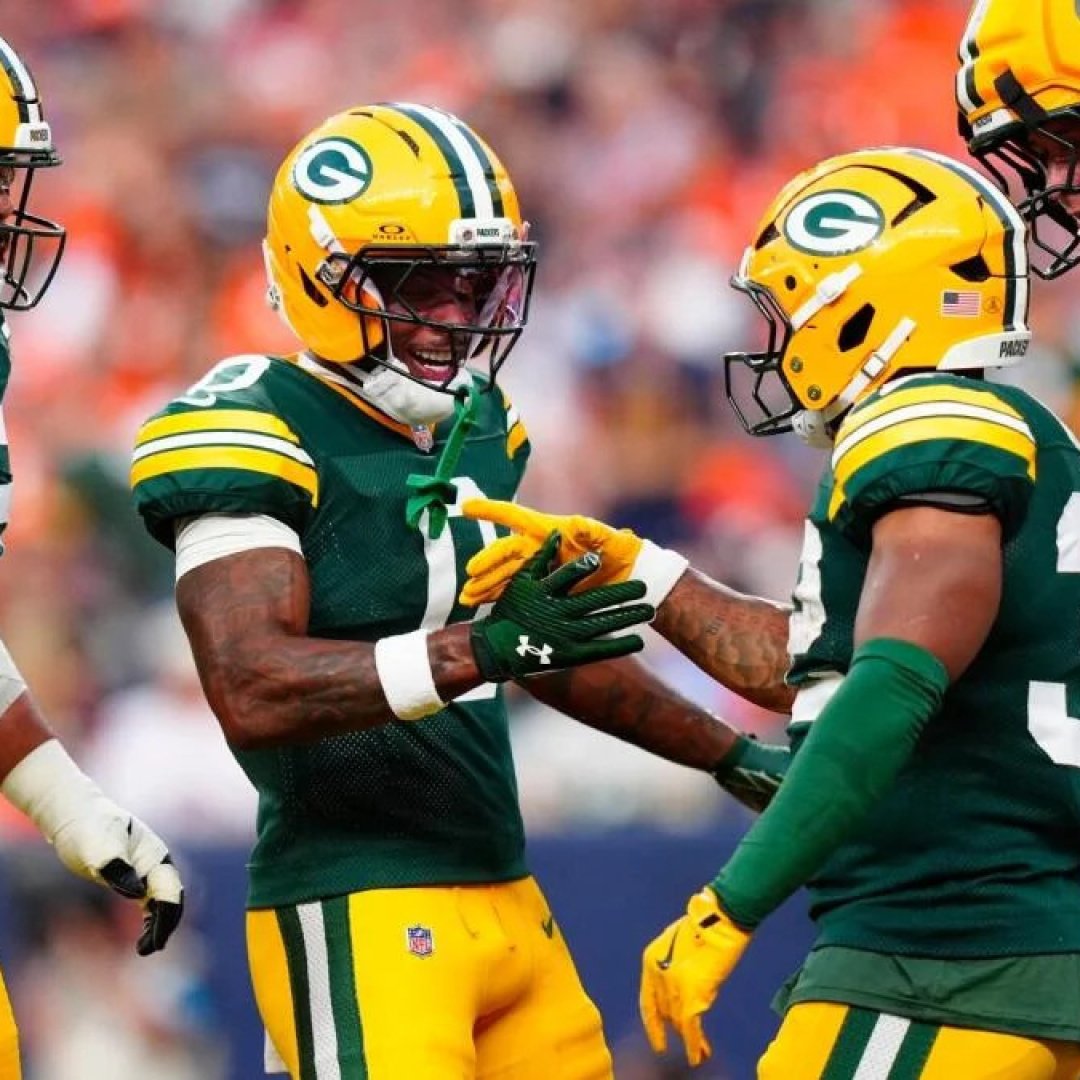
Ty Montgomery, an All-American receiver at Stanford, faced a similar situation. Drafted by the Packers, he initially played wide receiver but was forced to adapt to running back due to injuries in the backfield. Montgomery's ability to switch positions was highlighted when he rushed for 162 yards and two touchdowns in a standout performance against the Chicago Bears.
Here's the Real Score
Lastly, Antwaan Randle El, a dual-threat quarterback at Indiana University, made the switch to wide receiver before entering the NFL. His versatility allowed him to have a successful career, catching 370 passes for 4,467 yards and 15 touchdowns, and he now serves as the wide receiver coach for the Chicago Bears.
These players exemplify how adaptability and hard work can lead to success in the NFL. Their journeys remind us that in professional football, the ability to learn and excel in new roles can be just as important as the skills honed in college. As the league continues to evolve, these stories of transition will inspire future generations of players to embrace change and seize opportunities.