Eddy critiques NWSL's political pressure on players
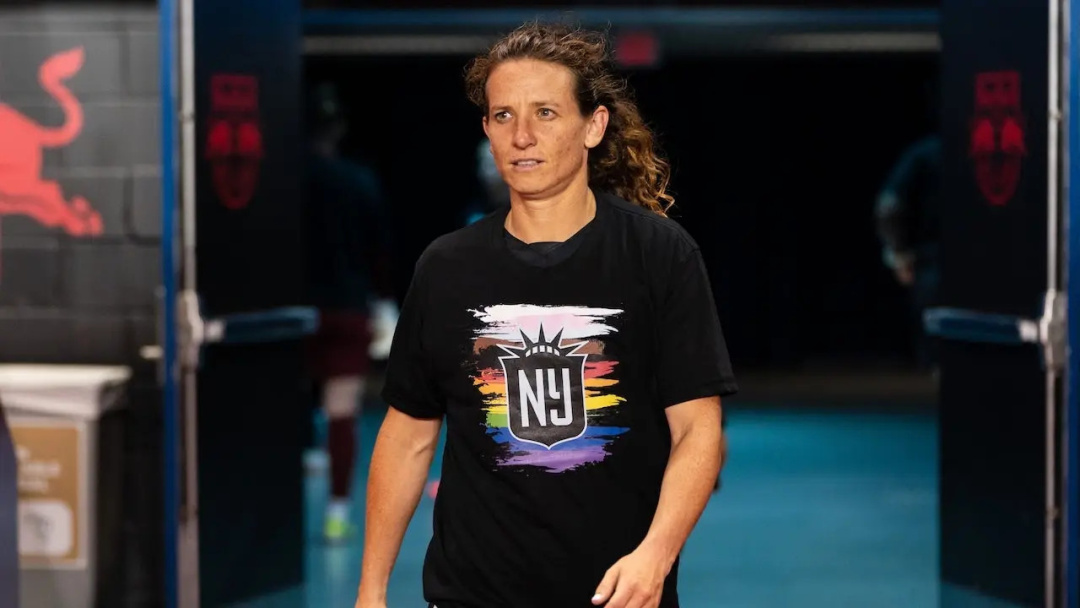
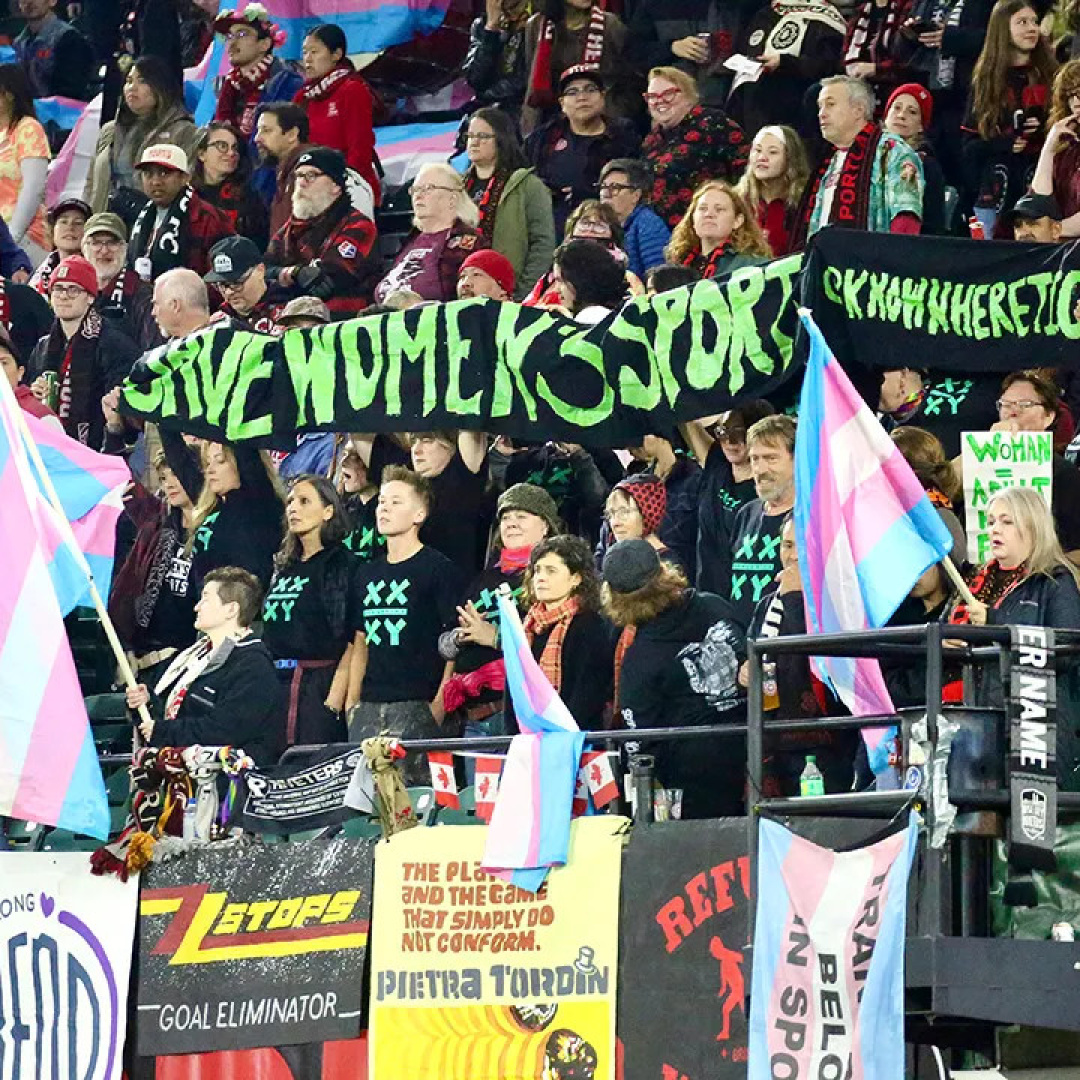
Elizabeth Eddy, a former player in the National Women's Soccer League (NWSL), has raised serious concerns about the league's culture, which she argues pressures players to endorse political messages that do not align with their personal beliefs. Following a recent incident at a Portland Thorns game where fans displaying a "Save Women’s Sports" banner were confronted and removed, Eddy expressed her disheartenment over the situation, stating it was emblematic of a broader issue within the league.
Eddy, who retired earlier this year after an 11-year professional career, described the atmosphere in the NWSL as one where players feel compelled to wear political shirts or risk backlash from teammates. "Hey, everyone wear the shirt, be a good teammate, be a good ally," she recalled, emphasizing the pressure to conform to a collective stance on various social issues.
The retired veteran highlighted a troubling dynamic where dissenting opinions are often silenced. "There was like no room to voice a different opinion," she noted, indicating that players often face a difficult choice: either publicly support a cause they do not believe in, cover it up with a sweatshirt, or risk alienating themselves from their teammates. This culture, she argues, creates an environment where players may compromise their beliefs to maintain harmony within the team.
Eddy's criticisms extend to specific instances where players were directed to engage with reading materials when they disagreed with certain political messages. She characterized this response as a form of re-education, further illustrating the pressure to align with the league's political stance. Her comments reflect a significant gap between the NWSL's public messaging and the private beliefs of its players, raising questions about the authenticity of their support for various causes.
The former player pointed to the influence of prominent figures like Megan Rapinoe, suggesting that her outspoken nature has shaped the political landscape within the NWSL. While Eddy respects Rapinoe's willingness to voice her opinions, she also noted that this has led to a situation where the majority may feel pressured to adopt similar views, even if they do not personally agree.
Eddy's concerns are underscored by the NWSL's collective bargaining agreement, which includes provisions meant to protect players from being compelled to support messages that conflict with their sincerely held beliefs. However, the application of these protections in practice remains ambiguous, particularly in the context of warm-up situations where players are expected to display solidarity.
Creating a safe space for player expression
As Eddy reflects on her career, she emphasizes the importance of open dialogue and the need for players to feel safe expressing their views without fear of repercussions. She believes that fostering an environment where disagreement can lead to constructive conversation is essential for the growth of the sport.
The recent confrontation at the Portland Thorns game has reignited discussions about the intersection of sports and politics, with Eddy encouraging those who share her concerns to voice their opinions and consider the implications of their support for various causes. "It’s uncomfortable and it’s hard and it’s messy, but I think it’s the right thing to do," she stated, underscoring the complexities athletes face in navigating their professional and personal beliefs.
Eddy's comments have sparked a broader conversation about the culture within the NWSL and the pressures athletes face to conform to political messaging. As the league continues to evolve, the challenge will be to strike a balance between advocacy and individual expression, ensuring that all players feel empowered to share their perspectives without fear of backlash.
The View from the Cheap Seats
The NWSL's response to Eddy's criticisms has been to maintain that they do not comment on statements made by former players. However, the league's leadership, including Commissioner Jessica Berman, has acknowledged the need for ongoing dialogue with the players' association regarding policy changes. As the NWSL navigates these complex issues, it will be crucial to ensure that the voices of all players are heard and respected, fostering an environment where both advocacy and individual beliefs can coexist without conflict.
Eddy's experiences serve as a reminder of the challenges athletes face in balancing their professional responsibilities with their personal convictions. As the conversation around political messaging in sports continues, it is essential to consider the implications for player relationships, team dynamics, and the overall integrity of the sport. The NWSL stands at a crossroads, and how it addresses these concerns will shape the future of women's soccer in the United States.