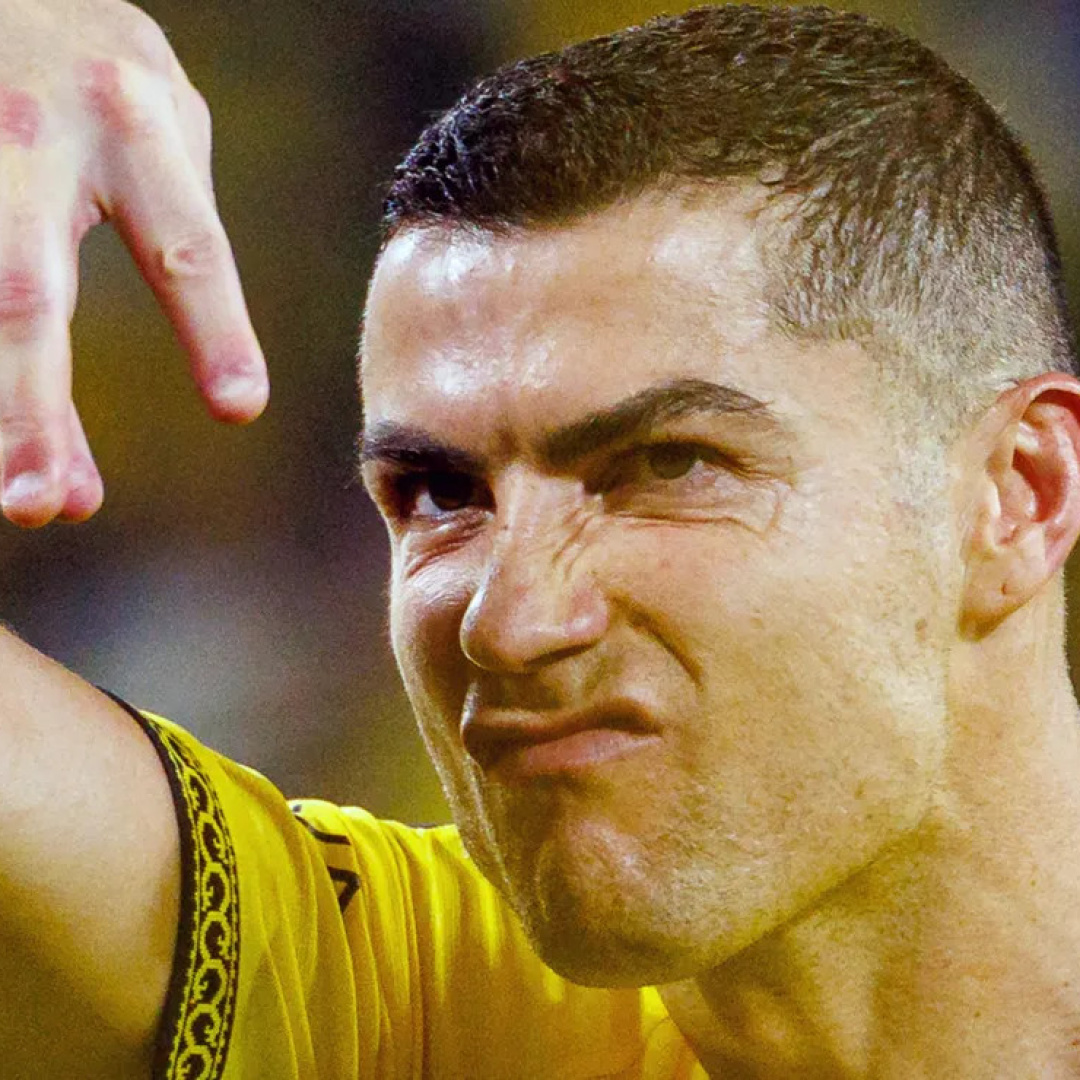
Megan Rapinoe defends transgender athletes in women's sports
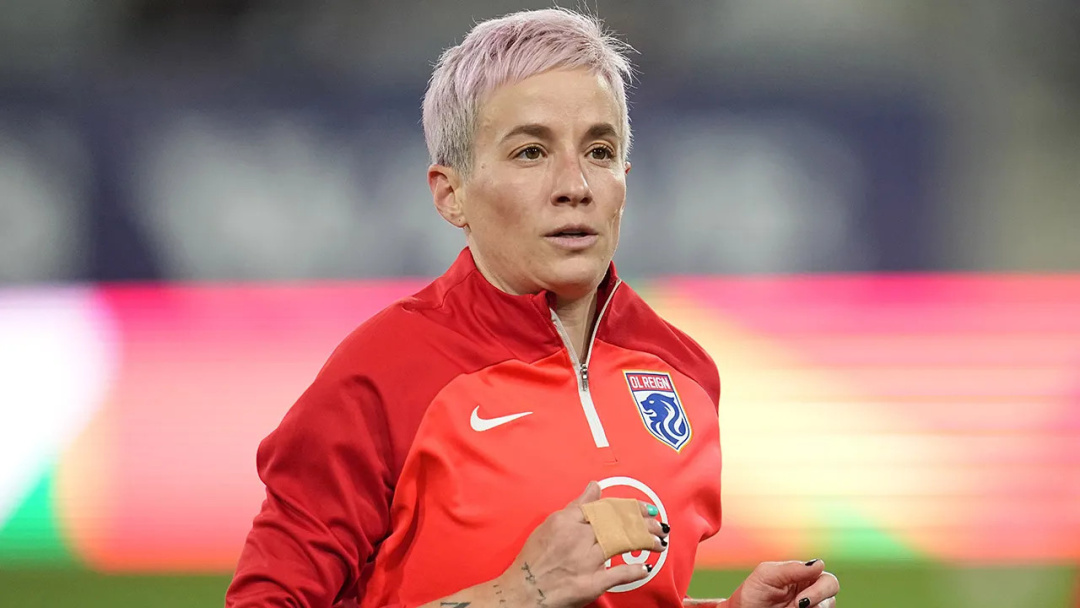
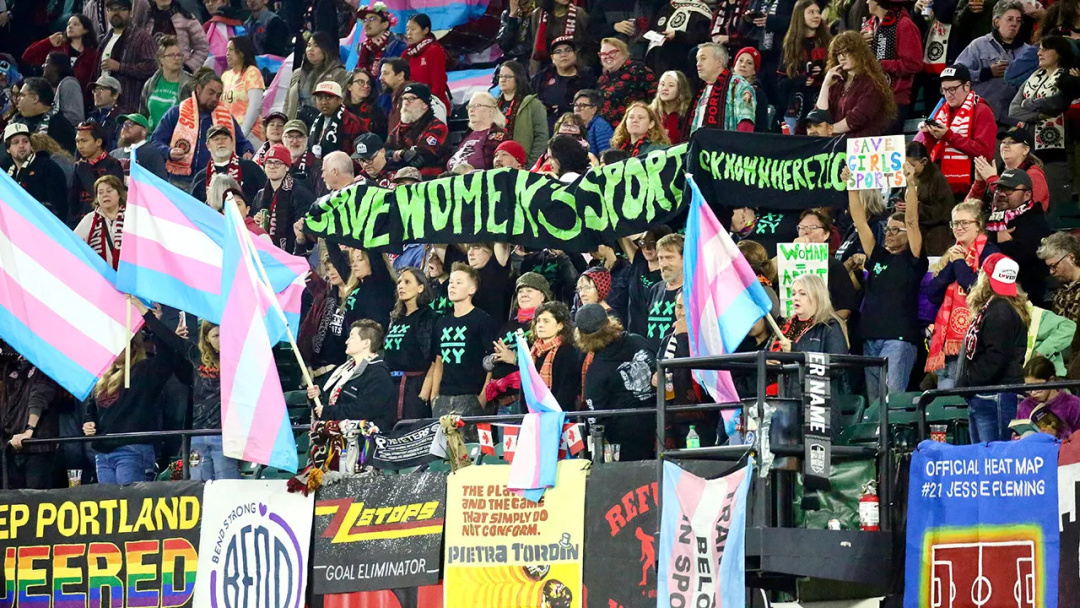
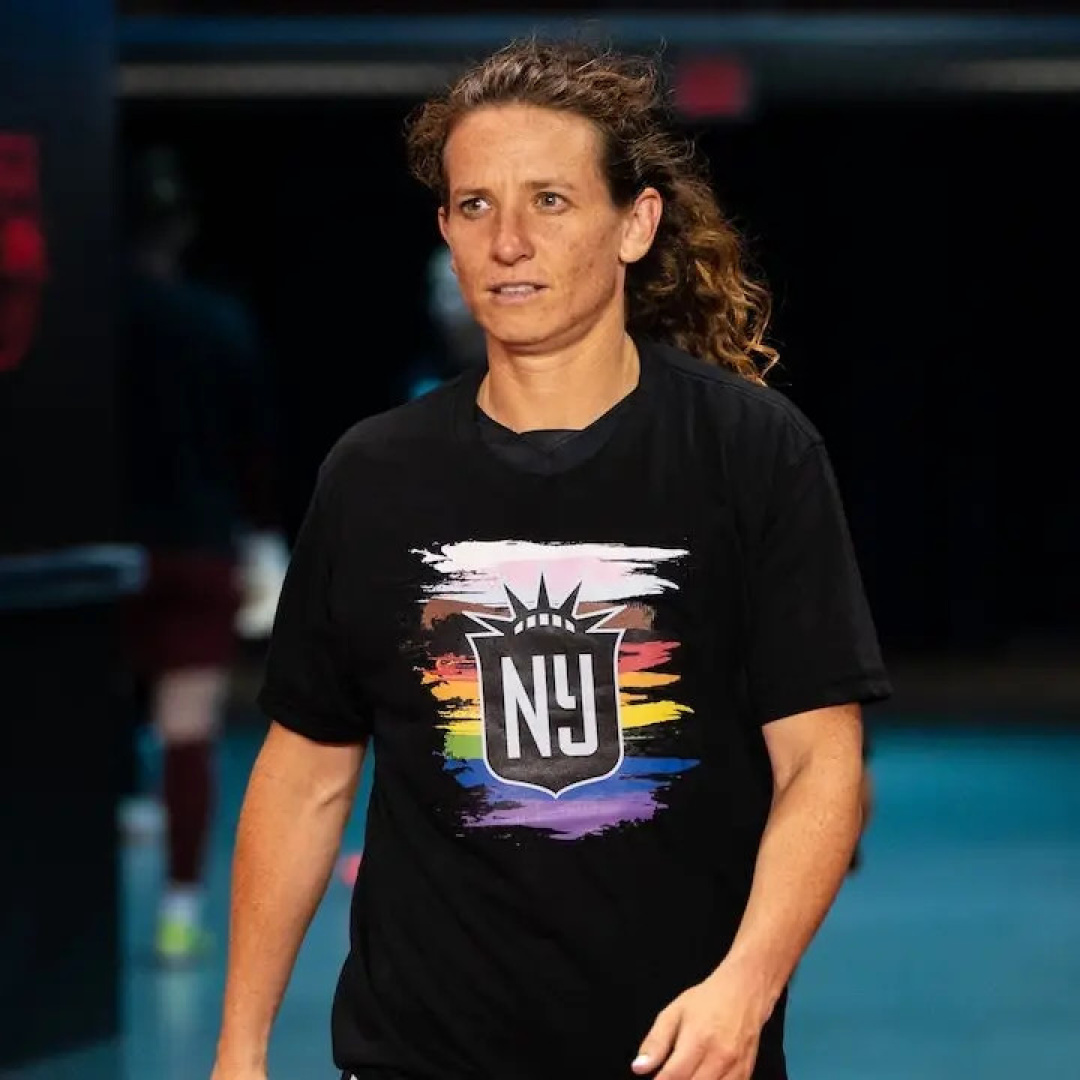
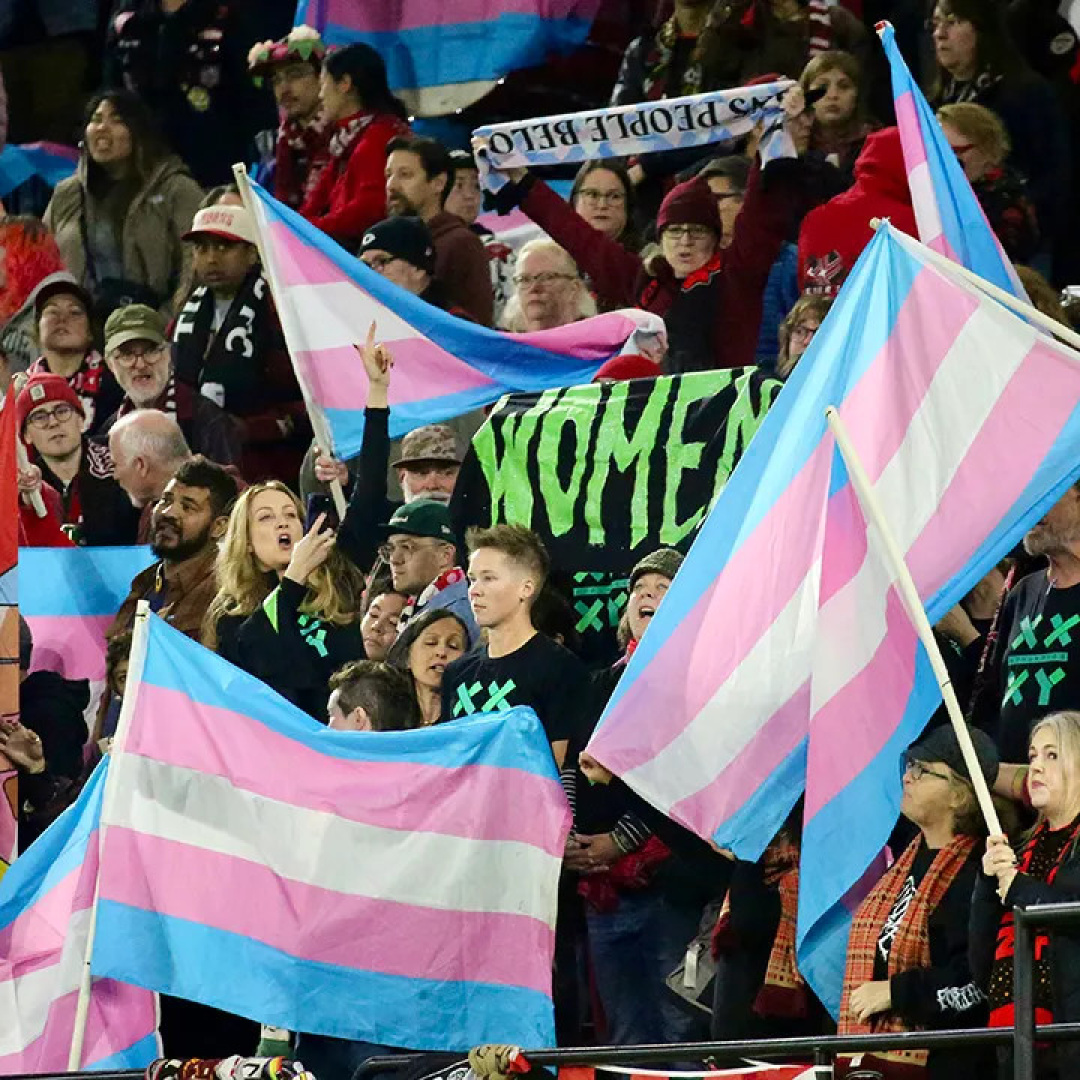
Megan Rapinoe's recent interview with comedian W. Kamau Bell has reignited the contentious debate surrounding transgender athletes in women's sports. As a prominent advocate for trans rights, Rapinoe expressed her dismay at the hostility directed towards transgender women competing in sports, emphasizing the need for empathy and understanding. She stated, "I am appalled at just the lack of basic humanity and empathy that people are showing and just the amount of fear and hate."
Rapinoe's comments come amidst increasing scrutiny of transgender participation in women's sports, with critics arguing that it undermines fairness and opportunities for cisgender female athletes. In her discussion with Bell, she challenged the notion that trans women pose a significant threat to women's sports, suggesting that the fears surrounding this issue are largely unfounded. She pointed out that the process for a transgender person to compete is not as simple as declaring a gender identity; it involves navigating complex medical and legal frameworks.
However, the conversation took a turn when Rapinoe was confronted with examples of transgender athletes competing against cisgender women. Critics argue that these instances highlight a disparity in physical advantages that can arise from biological differences. Rapinoe's response, that sports have never been entirely fair, raises questions about the very foundation of competitive sports, which often relies on established rules to ensure a level playing field.
The dialogue between Rapinoe and Bell also touched on the silence of many athletes on this issue. Rapinoe suggested that the lack of vocal support for her stance might stem from fear rather than disagreement. Yet, many athletes may simply feel that the conversation is more nuanced than Rapinoe portrays, with many expressing concerns about the implications of allowing biological males to compete in women's categories.
Navigating fairness in competitive sports
Rapinoe's assertion that sports are inherently unfair due to natural advantages, such as height or strength, complicates the discussion. While it is true that athletes like Victor Wembanyama possess physical advantages, the argument does not directly correlate with the complexities of gender identity and the implications of allowing trans women to compete in women's sports. Critics argue that the separation of genders in sports exists for a reason: to provide equitable competition opportunities.
As the debate continues, it is clear that Rapinoe's views resonate with a segment of the population advocating for inclusivity in sports. However, the pushback she faces underscores the deep divisions on this topic. The conversation around transgender athletes in women's sports is not merely about inclusion; it is also about fairness, competition, and the future of women's sports as a whole.
The Final Whistle
As we navigate this complex issue, it is essential to consider the perspectives of all athletes involved. The implications of allowing transgender women to compete against cisgender women extend beyond individual competitions; they challenge the very structure of women's sports. The ongoing dialogue must balance the rights of transgender individuals with the need to maintain fair competition for all athletes.
Ultimately, the discussion surrounding Rapinoe's comments reflects broader societal tensions regarding gender identity and sports. As more athletes and organizations engage in this debate, it will be crucial to foster an environment where all voices are heard and respected. The future of women's sports may depend on finding a way to reconcile these differing viewpoints while ensuring that all athletes can compete fairly and safely.