Mbappe's Mao Meme Sparks Controversy and Apologies in China
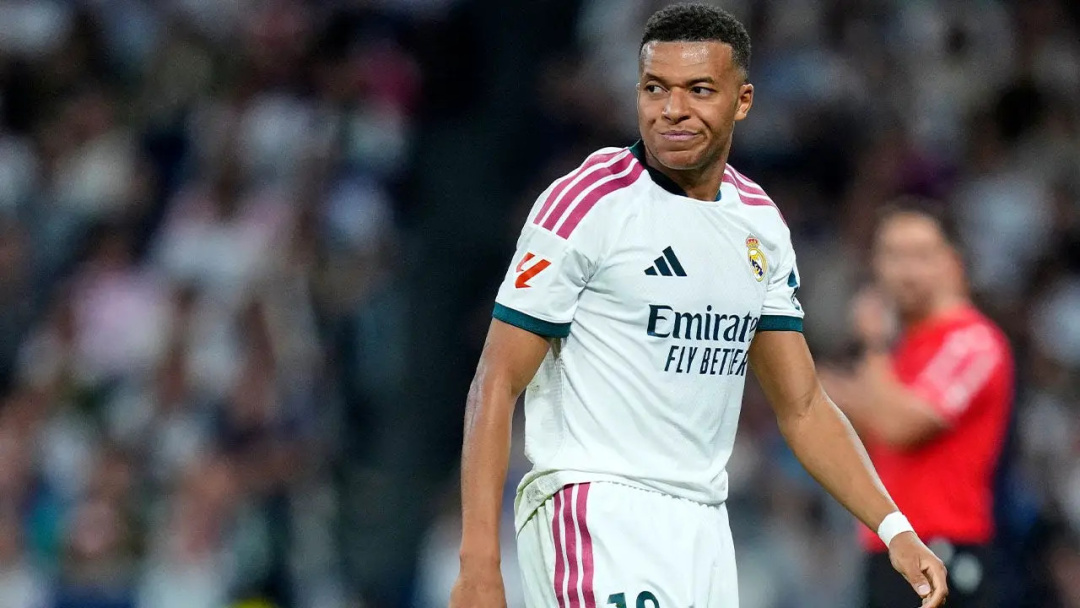
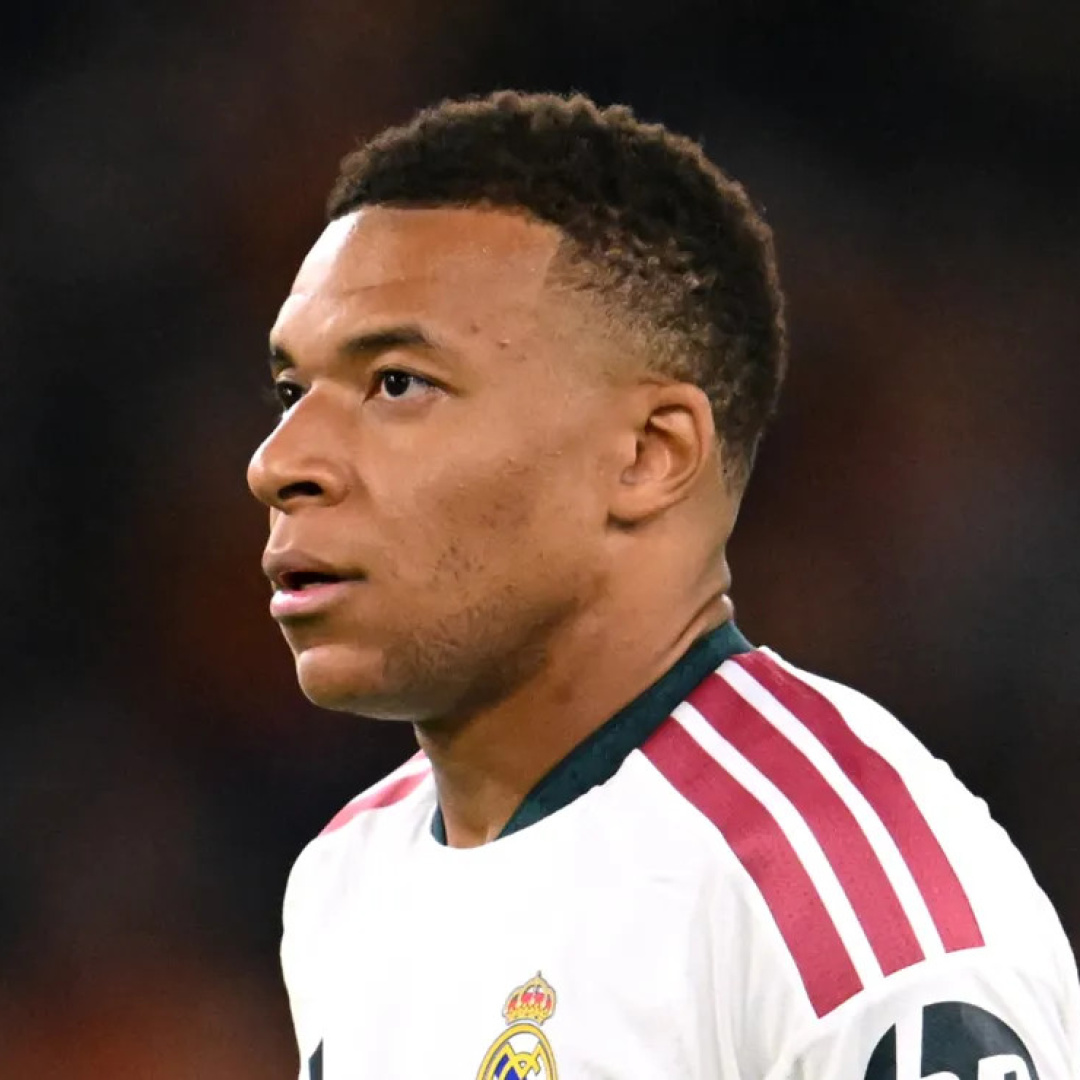
Kylian Mbappe, the global soccer star currently playing for Real Madrid, has found himself at the center of a significant controversy in China after laughing at a meme featuring Mao Zedong. This incident has resulted in a wave of backlash, including television blackouts and the severing of sponsorship deals, which has been portrayed as a hysterical reaction by the Chinese authorities. Xi Van Fleet, a Chinese-American author and activist who survived Mao's Cultural Revolution, has spoken out against the situation, calling it "ridiculous" and highlighting the lack of awareness among the Chinese populace regarding the actual content of Mbappe's comments.
During an interview on The Bridge, a French talk show hosted by Mbappe's Real Madrid teammate Aurelien Tchouameni, the 27-year-old Frenchman chuckled at a meme that depicted him alongside Mao. This meme plays on one of Mbappe's nicknames, "The Dictator," which has now taken on a controversial tone given the historical context of Mao's regime. Xi Van Fleet pointed out that the majority of people in China are unaware of what Mbappe actually said, as the government tightly controls information and public discourse. "You have no freedom of speech, you have no freedom of press, you don't know what really happened. You just do what the government tells you to do," she stated.
The backlash escalated quickly, with several Chinese sponsors cutting ties with Mbappe and state-run CCTV halting broadcasts of La Liga matches, which prominently feature Real Madrid. Initially, La Liga issued an apology, followed by Mbappe's own expression of regret, and eventually, Real Madrid also apologized. The Spanish club had initially defended Mbappe's comments, asserting that his personal expression was not intended to offend the Chinese people. However, the pressure from Chinese authorities led to a formal apology being issued, highlighting the complexities of navigating commercial relationships in a politically sensitive environment.
The consequences of political pressure on players
Xi Van Fleet's frustration with the swift apologies from Mbappe and the clubs involved is palpable. She argues that the truth about Mao's legacy should not be ignored and that Mbappe should have stood by his comments rather than retracting them. "The truth will set you free; know who Mao was and then you should stand by what you said," she advised, emphasizing the importance of historical awareness and integrity in the face of political pressure.
After Further Review
This incident raises significant questions about the intersection of sports, politics, and historical memory. The rapid response from La Liga and Real Madrid underscores the precarious nature of international sports sponsorships, particularly in markets like China, where political sensitivities can lead to swift and severe repercussions for athletes and organizations alike. As global sports figures increasingly engage with social media and public discourse, the potential for misinterpretation or backlash grows, necessitating a careful balance between personal expression and commercial obligations.
In conclusion, the fallout from Mbappe's lighthearted moment serves as a stark reminder of the complexities athletes face in today's interconnected world. The incident not only highlights the challenges of navigating cultural sensitivities but also raises broader questions about freedom of expression and the responsibilities of public figures in addressing historical injustices. As the dust settles, it remains to be seen how this controversy will affect Mbappe's brand and the future of sports diplomacy in China.