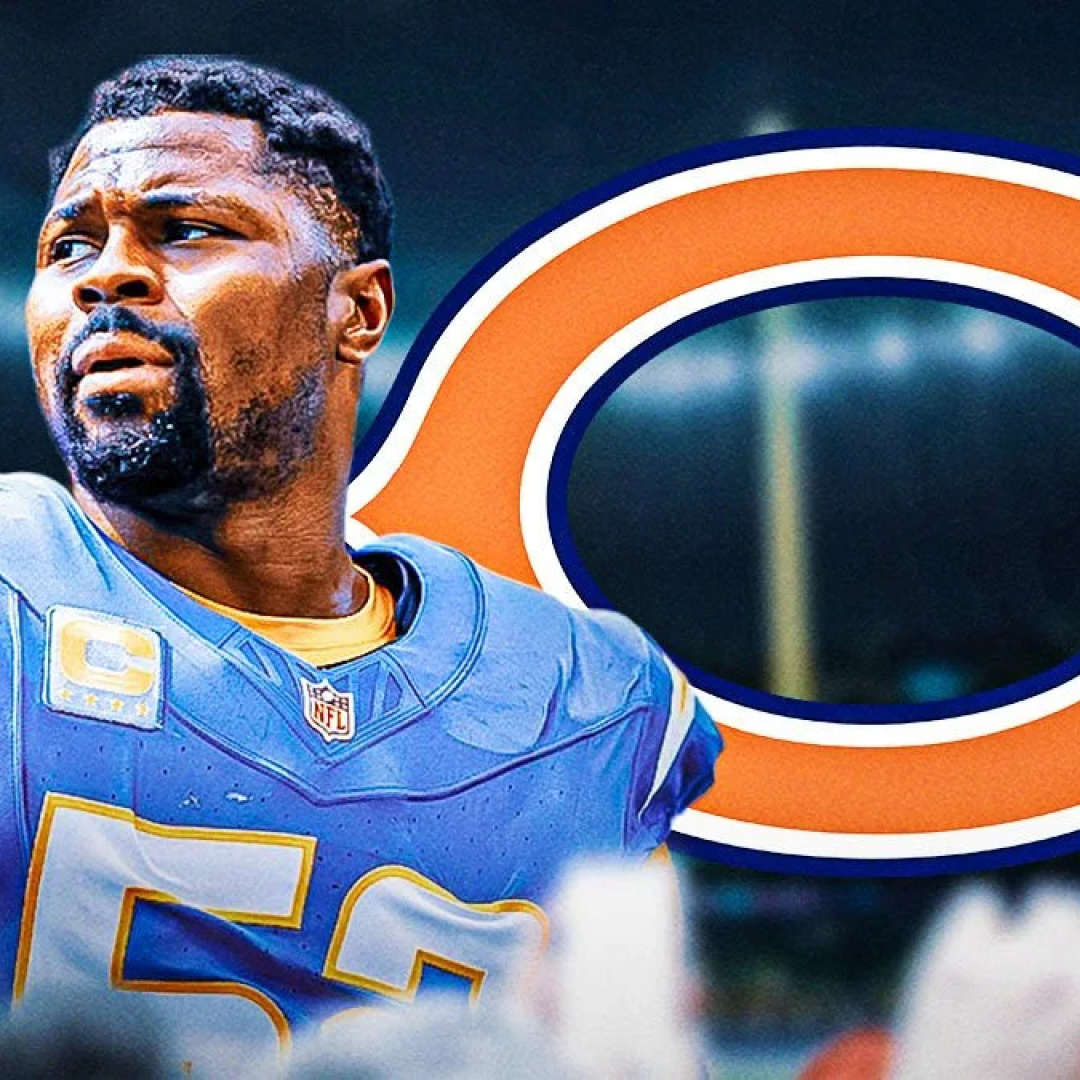
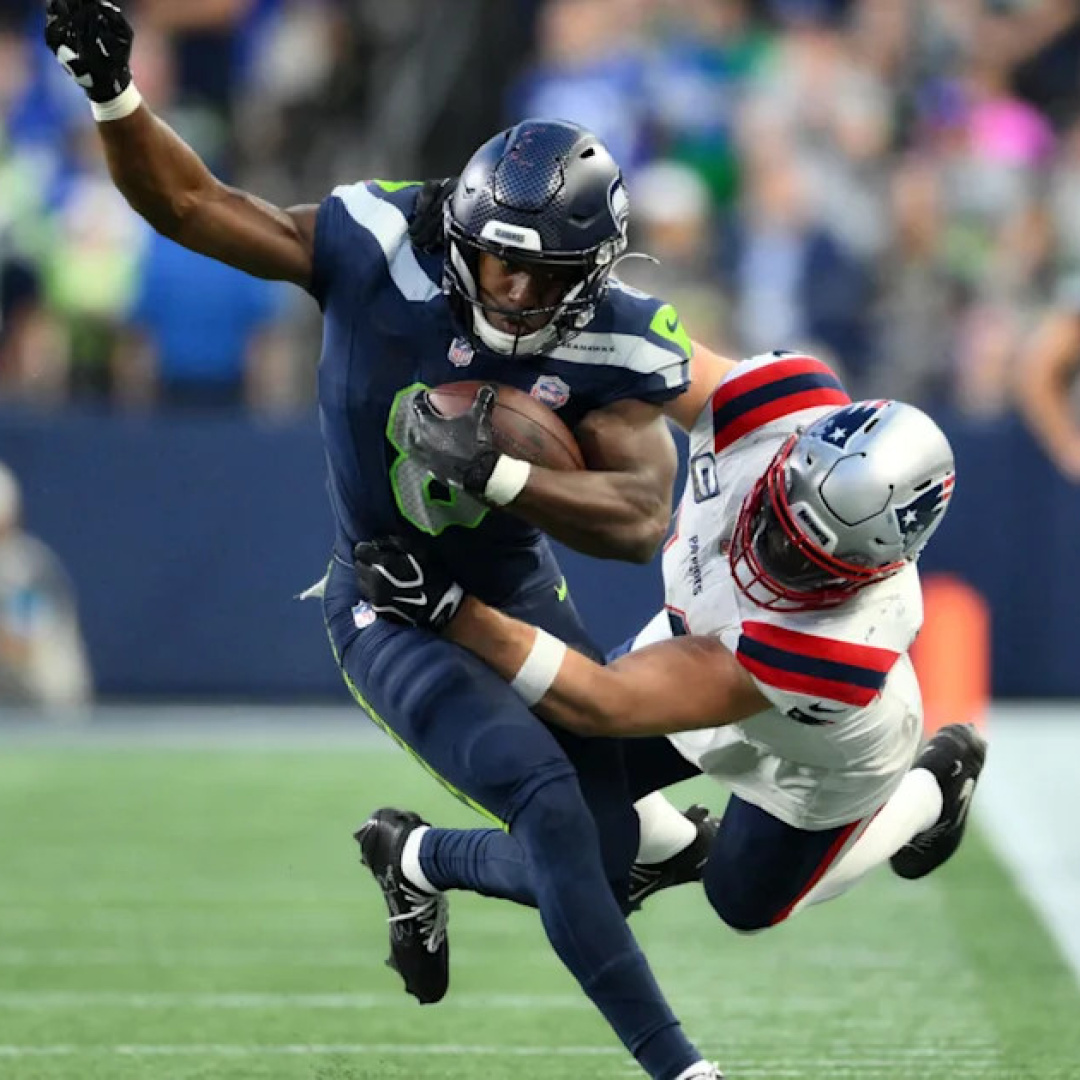
Bears' Rushing Attack Faces Crucial Test Against Seahawks
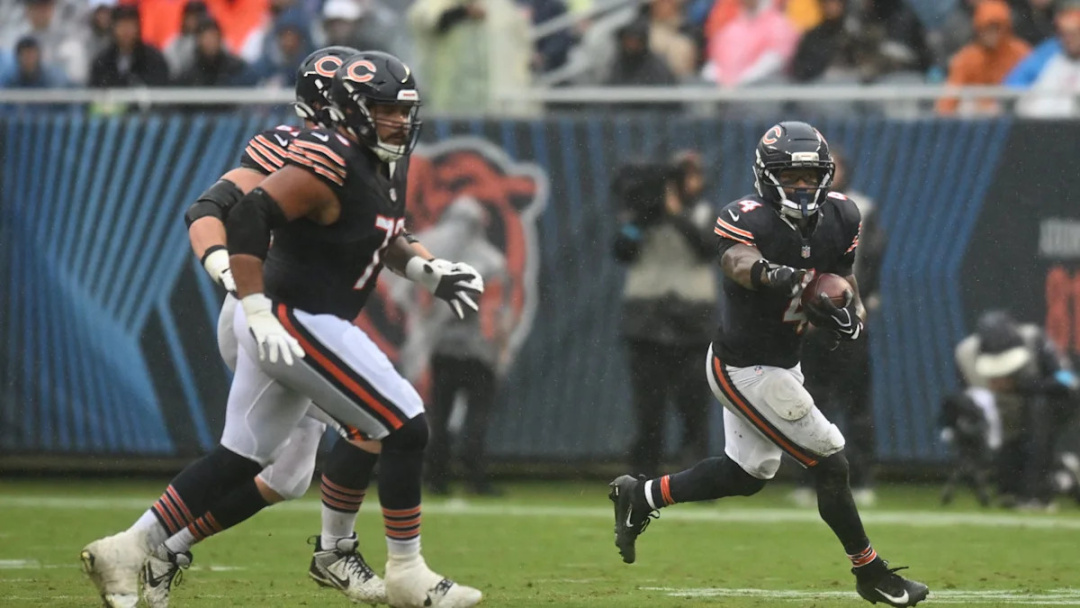
The Chicago Bears currently lead the NFL in rushing, but recent performances suggest a troubling trend that could impact their upcoming games. After averaging nearly 200 rushing yards in their first four contests, the Bears have struggled significantly, managing only 295 rushing yards combined in their last three outings against the Packers, Falcons, and Patriots. This drop-off, averaging less than 100 yards per game, raises questions about the sustainability of their offensive strategy as they prepare for a critical matchup against the Seattle Seahawks.
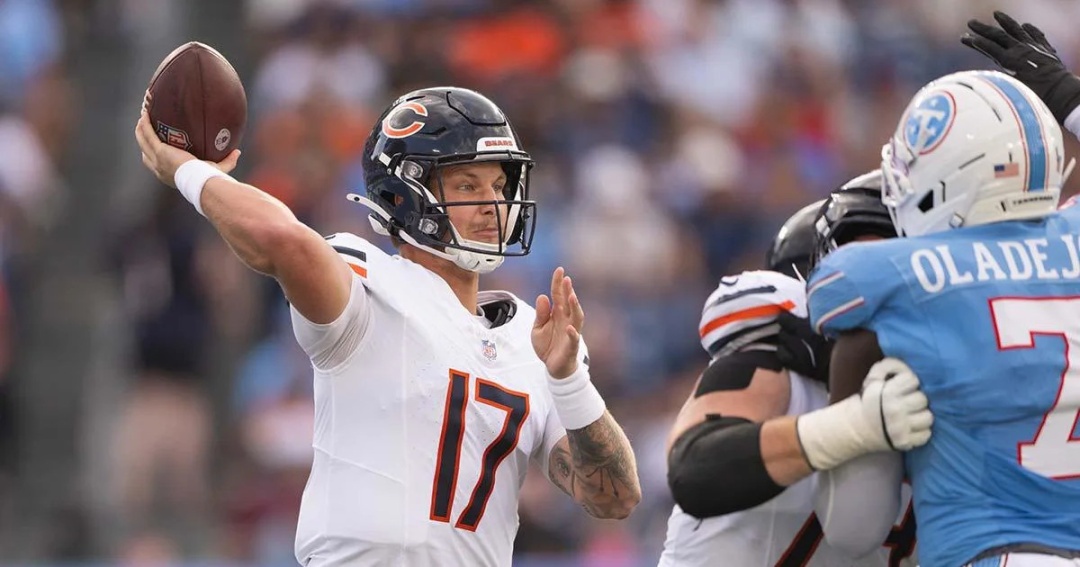
Despite this decline, the Bears have managed to win their last two games, thanks in part to quarterback Caleb Williams, who has thrown for over 300 yards in both contests. Chicago scored 31 and 30 points in those victories, showcasing their ability to adapt. However, the upcoming game against Seattle presents a different challenge, particularly for an offense that may not be able to rely solely on the passing game.
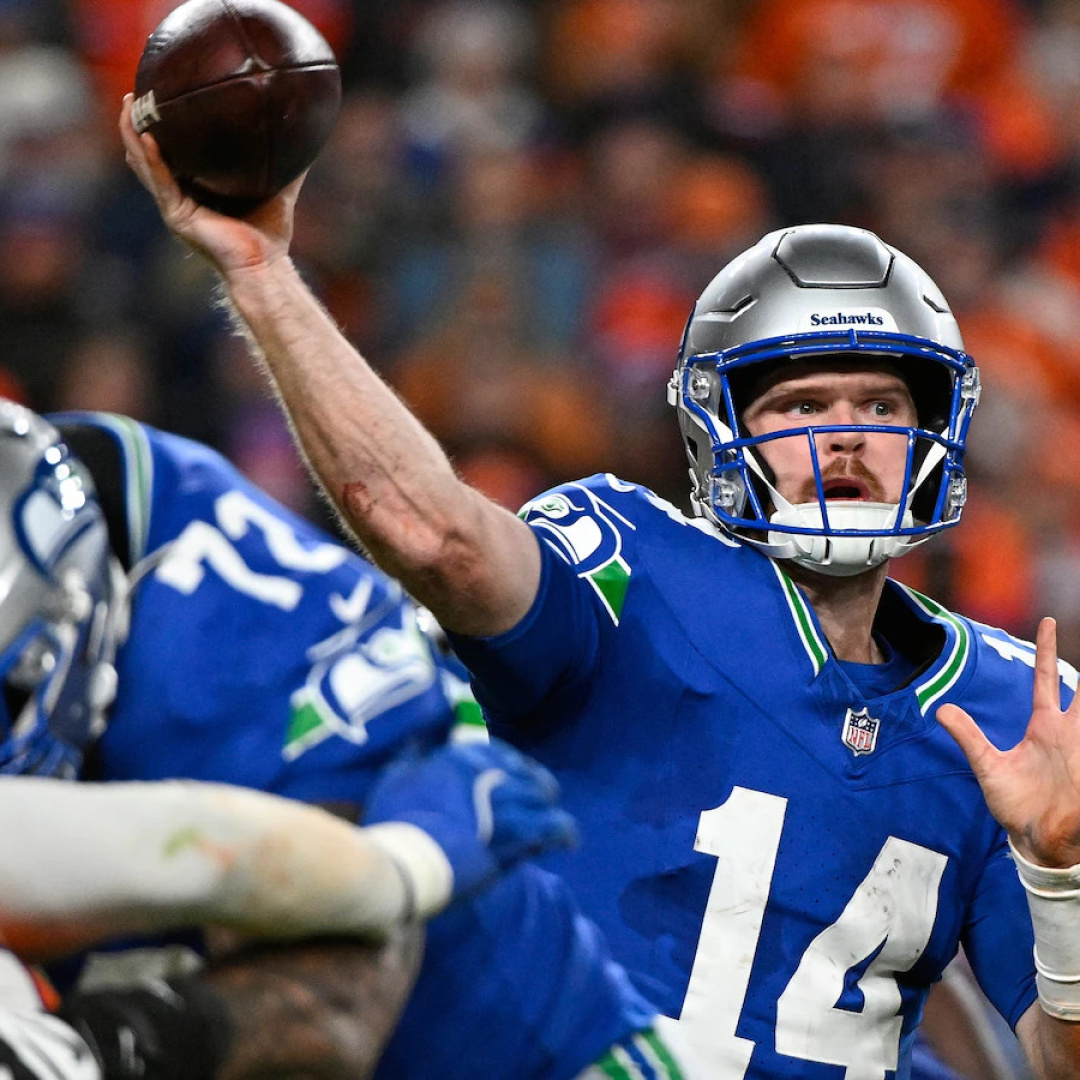
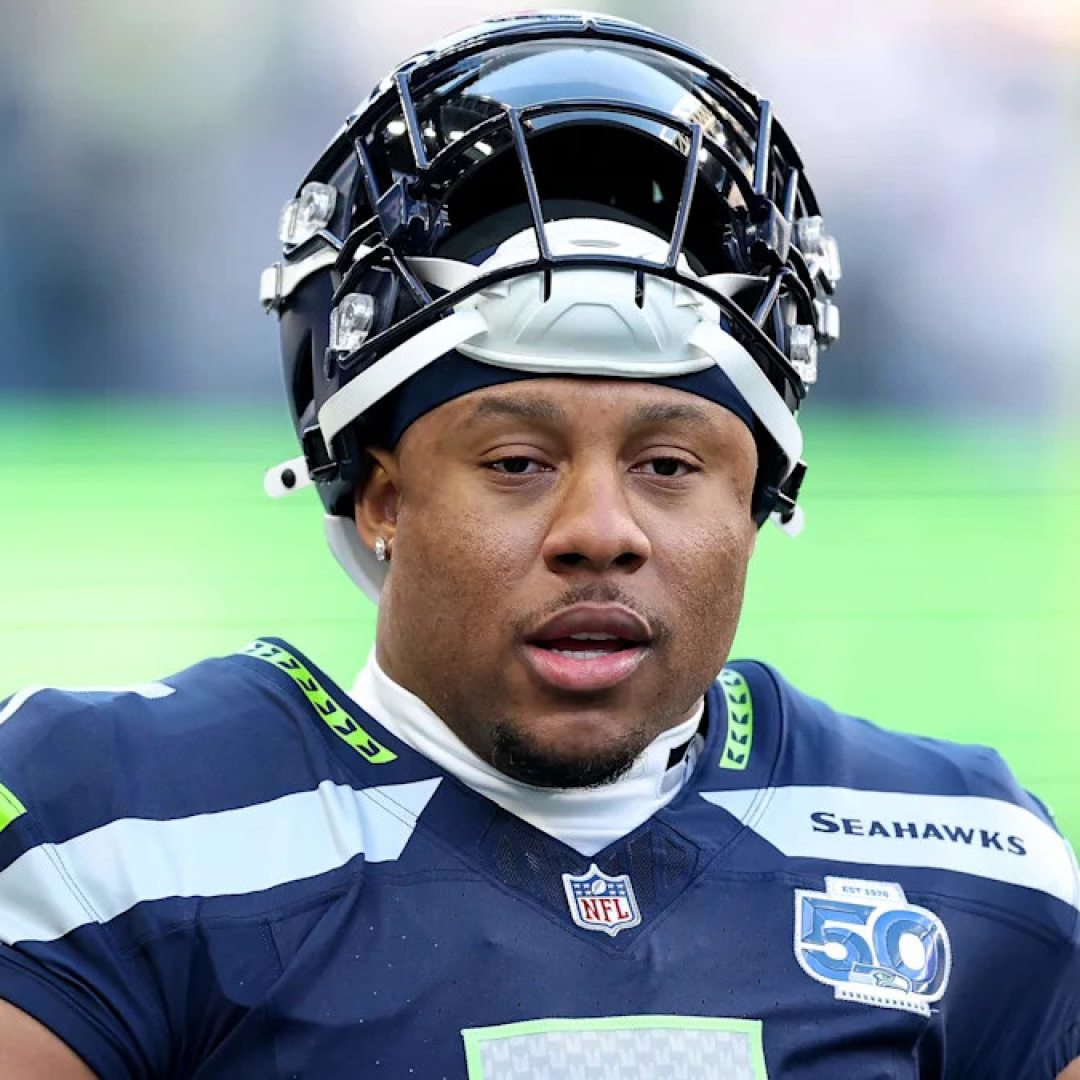
The Seahawks' defense has proven formidable, recently holding the Kansas City Chiefs to just 50 rushing yards in a dominant 20-3 victory. This performance underscores the need for the Bears to re-establish their ground game, especially since Seattle's defense excels at forcing teams into predictable passing situations. If the Bears cannot regain their rushing consistency, Williams may find himself facing a relentless pass rush, which could hinder his effectiveness.
The decline in the Bears' rushing attack coincided with the injury of running back Kyle Monangai, who had been a key contributor before his toe injury. Monangai's absence has forced the Bears to rely more heavily on D’Andre Swift and Roschon Johnson, who have had to shoulder a greater workload. Swift remains productive, but the recent games highlight the increasing burden placed on him, as he has not surpassed 100 rushing yards since the season opener against Carolina.
Adapting the offense without Monangai
The Bears' offensive strategy must adapt to the loss of Monangai, as his unique running style complemented Swift's approach. The team has signed Zavier Scott to the active roster, but it remains to be seen how effective this change will be in restoring balance to the backfield. The Bears need to find a way to keep their offense on schedule, whether through Swift, another back, or even Williams himself.
As Williams prepares for the challenge posed by Seattle's elite defense, he has acknowledged the need for patience and the importance of protecting the football. The Bears must find ways to create manageable down-and-distance situations to avoid putting too much pressure on their young quarterback. Penalties have also plagued the Bears in recent games, further complicating their efforts to establish a rhythm on offense.
Once the Hype Clears
In addition to the challenges posed by Seattle's defense, the Bears will also have to adjust to the season-ending injury of tight end Cole Kmet, who has been a reliable blocker and target in the passing game. Rookie Sam Roush is expected to see increased playing time, and the possibility of using Ozzy Trapilo as a sixth lineman could provide some additional support in the run game. However, these adjustments will need to be effective quickly, as the Bears cannot afford to continue their recent trend of declining rushing performance.
Ultimately, the Bears do not need to match their season rushing average to secure a victory against Seattle. Instead, they must focus on executing timely runs that keep the offense on track. The upcoming game will reveal whether the recent struggles have been a temporary setback or a more significant issue that requires immediate attention. As the Bears prepare for this crucial test, the effectiveness of their rushing attack will be a key factor in determining their success against the Seahawks.