Takeshi Okada resigns from Japan Football Association amid FIFA controversies
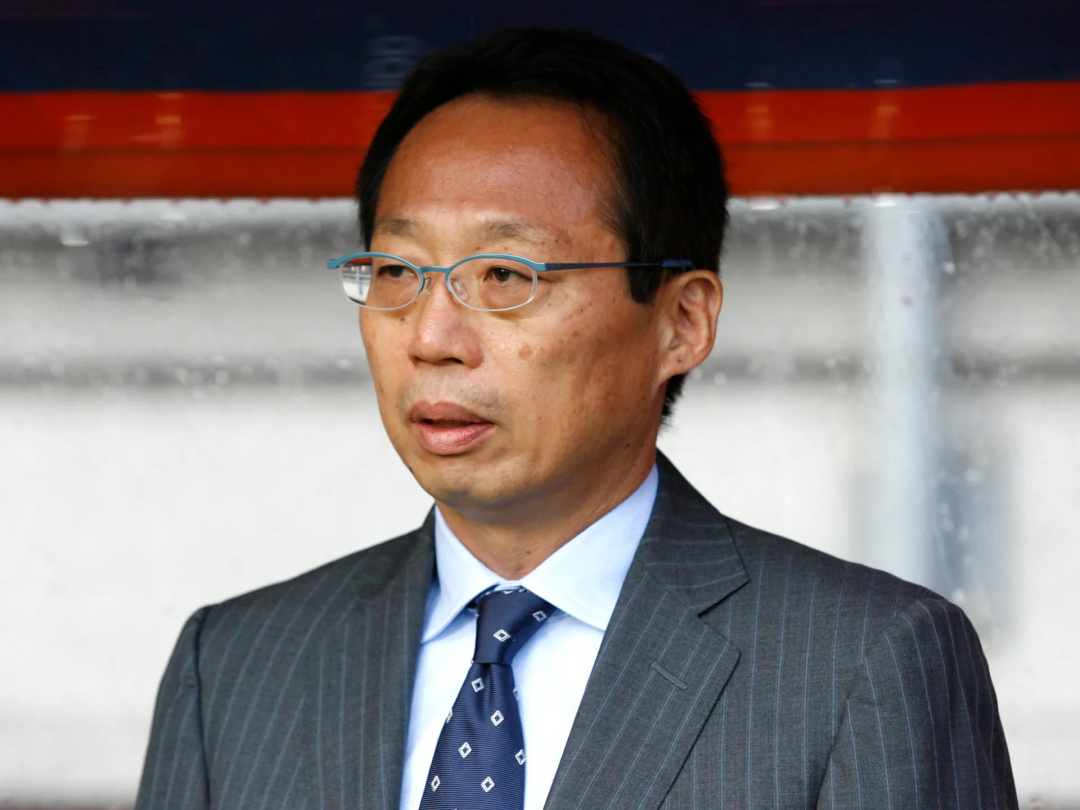
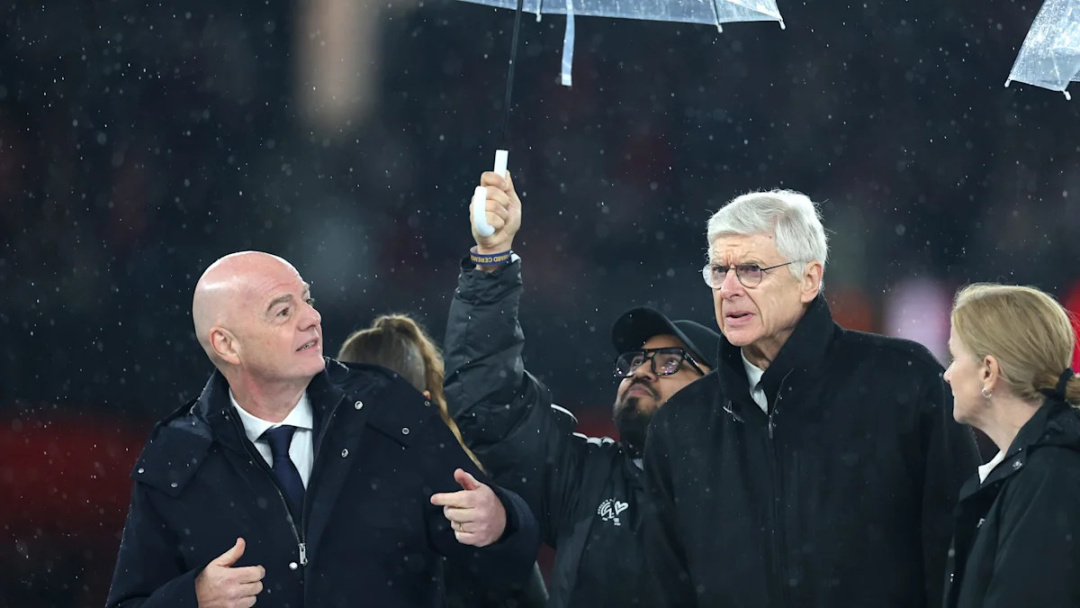
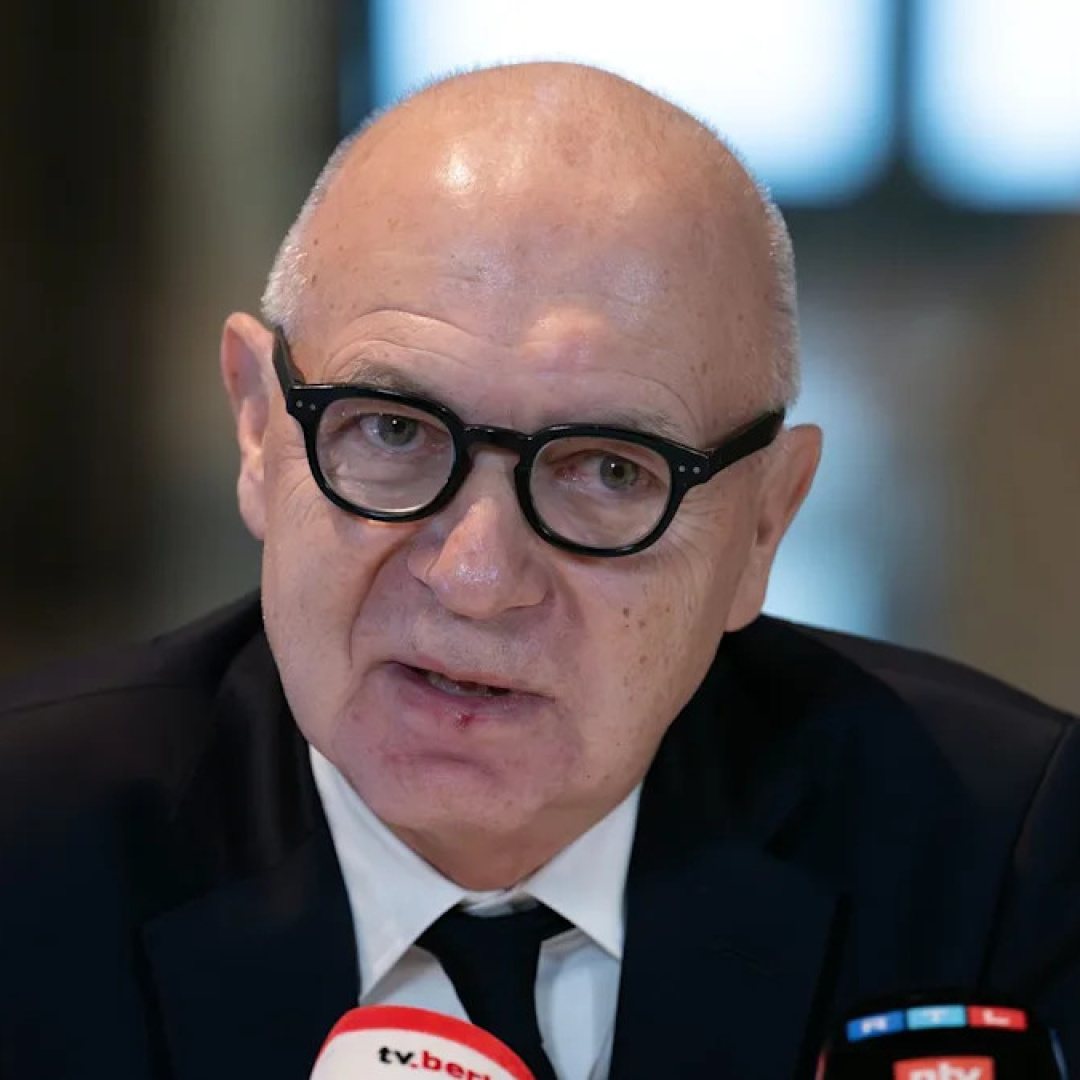
Takeshi Okada, the vice president of the Japan Football Association (JFA), has announced his resignation, stating that the recent handling of controversies surrounding the FIFA World Cup did not align with his personal values. Okada, who previously coached Japan in the 1998 and 2010 World Cups, made this decision shortly after the Asian Football Confederation (AFC) expressed its support for Gianni Infantino's bid for re-election as FIFA president during a meeting in Tokyo.
The AFC's endorsement of Infantino comes in stark contrast to the earlier condemnation from various football bodies in Europe and North America regarding his proposal to open FIFA's premium competitions, including the World Cup, to private investors. This proposal has drawn significant criticism, leading to calls for Infantino's resignation and a loss of support from some associations.
In his resignation statement, Okada emphasized that his decision was made entirely of his own volition. He expressed a deep commitment to the integrity of sport, stating, "Throughout my career I have treasured the social value of sport based on my conviction that sport must be conducted with integrity." He further elaborated that the recent responses to the controversies surrounding the World Cup revealed a significant gap between the AFC's stance and his own beliefs, which he could not accept as a sportsman.
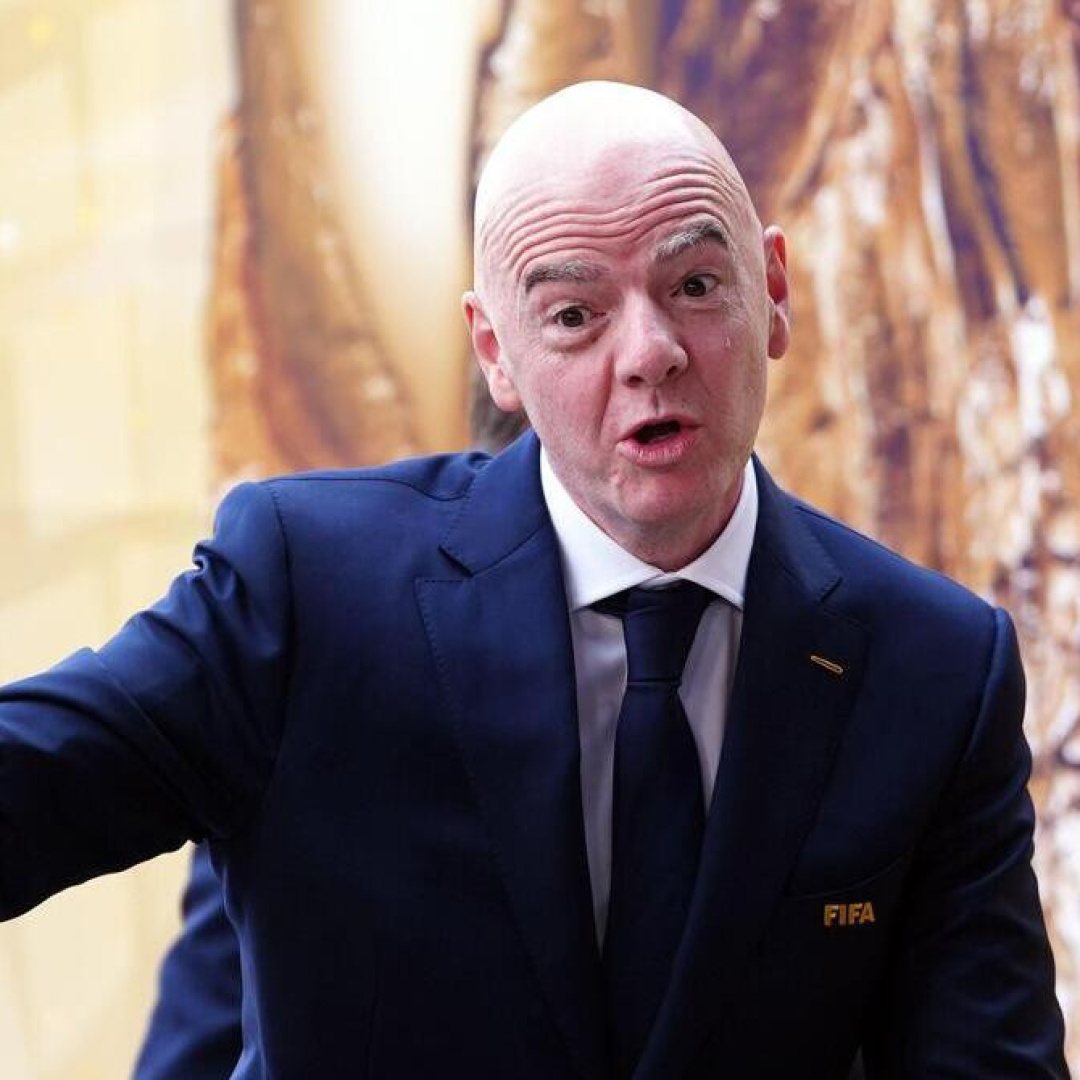
Infantino, who has been at the helm of FIFA since 2016, is facing a challenging re-election campaign set for March. His leadership has been marked by controversies, including the failed private investment project that he publicly apologized for. Just two months prior to Okada's resignation, the AFC, alongside UEFA and CONCACAF, had indicated a potential shift in their support for Infantino, asserting that football "belongs to no individual."
Implications of Okada's departure for Asian football
Okada's resignation raises important questions about the governance of football in Asia and the broader implications of aligning with FIFA's leadership. His departure may signal a growing discontent among football officials regarding the direction of the sport under Infantino's leadership. As the JFA navigates its relationship with the AFC, Okada's resignation could have lasting effects on Japanese football's integrity and its stance within the international football community.
The Final Whistle
The fallout from Okada's resignation is likely to reverberate throughout Japanese football, as it highlights the tension between national associations and FIFA's governance. With the AFC's recent alignment with Infantino, the JFA may face pressure to conform to the prevailing sentiments within the confederation, potentially compromising its own values and priorities. Okada's departure serves as a reminder of the importance of integrity in sports governance and the need for transparency in decision-making processes. As the landscape of international football continues to evolve, the JFA will need to carefully consider its position and the implications of its affiliations moving forward.
In conclusion, Takeshi Okada's resignation from the Japan Football Association underscores the ongoing challenges facing football governance at both national and international levels. As the sport grapples with issues of integrity and leadership, the decisions made by figures like Okada will shape the future of football in Japan and beyond. The need for accountability and alignment with core values remains paramount as the sport navigates its complex landscape.