U.S. Soccer Aims for Gold at 2028 Olympics to Bridge World Cup Gap

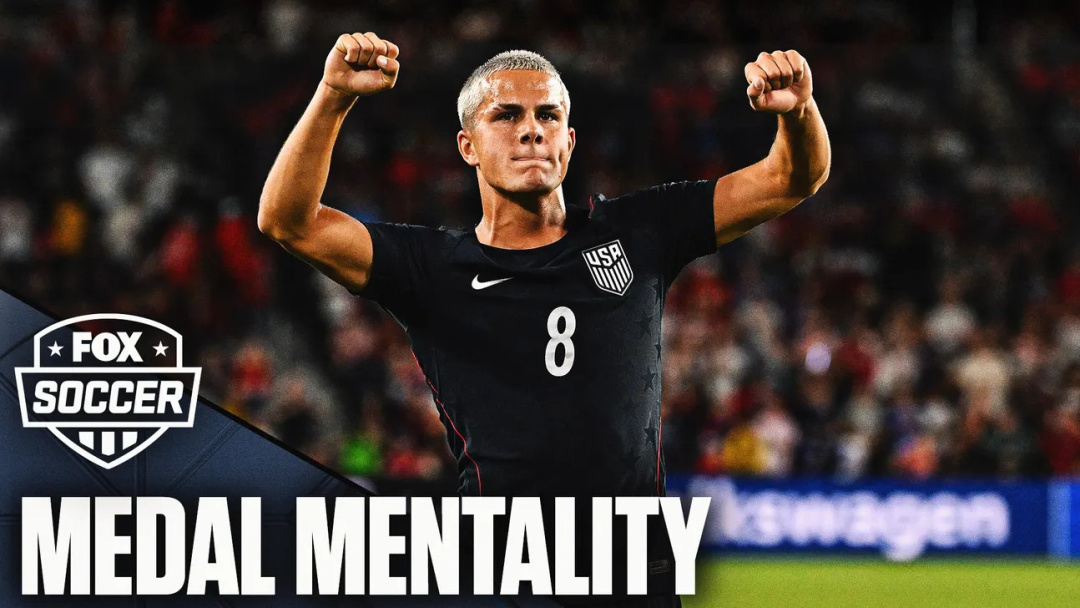
The United States men's soccer team may have missed out on a World Cup miracle in 2026, but the federation is already laying the groundwork for a significant comeback at the 2028 Los Angeles Olympics. U.S. Soccer COO Dan Helfrich is optimistic, stating that winning gold on home soil is not just a dream but a realistic goal, supported by a clear strategy to leverage the Olympics as a stepping stone for the next World Cup.
Following the World Cup, which generated a surge of 10 million new supporters, U.S. Soccer is moving swiftly to capitalize on this momentum. The federation has signed coach Mauricio Pochettino to a four-year contract, as reported by Fox Sports, and appointed Steve Cherundolo to lead the Olympic squad. Helfrich sees the 2028 Games as a unique opportunity to showcase the sport's potential in the U.S., emphasizing the enthusiasm demonstrated by fans during the recent summer events.
While many fans may conflate the Olympics with the World Cup, the two tournaments are fundamentally different. The Olympics primarily feature players under 23 years old, with only three older players permitted on each roster. This format presents a genuine opportunity for the U.S. to secure a medal, especially considering that only eight nations have ever won the World Cup in its century-long history. Mid-sized teams, like Mexico, have previously clinched Olympic gold, as seen in London 2012.
Seizing the Olympic opportunity for growth
The Los Angeles tournament will consist of only 12 teams, meaning that if the U.S. can win its group, it will need just one additional victory to reach the medal round. The prospect of 90,000 fans at the Rose Bowl cheering for both the men's and women's teams could provide the necessary boost for the players to achieve something remarkable. Helfrich recognizes this as a critical moment to build momentum for the future of U.S. soccer.
Let's Call It What It Is
Cherundolo's task will not be easy. He must navigate the complexities of securing player releases from European clubs, which do not have the same automatic release rules for the Olympics as they do for the World Cup. If he can successfully rally the best young talent, the U.S. team could emerge as a formidable force. The federation is banking on these young stars stepping up when it matters most.
The overarching goal is clear: to win a medal in 2028 and use that success as a launching pad for the 2031 Women’s World Cup and beyond. Helfrich envisions a seamless connection between the excitement of the 2026 World Cup, the 2028 Olympics, and future tournaments, aiming to recapture the joy and enthusiasm that soccer has generated in the United States.