U.S. Soccer's Young Stars Poised for Olympic Glory in 2028
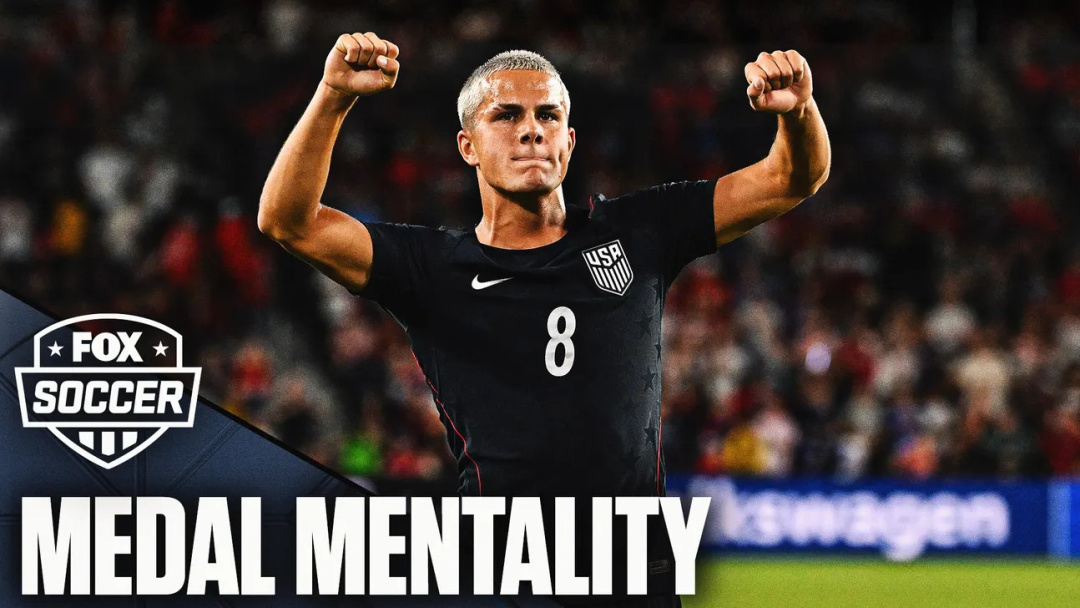
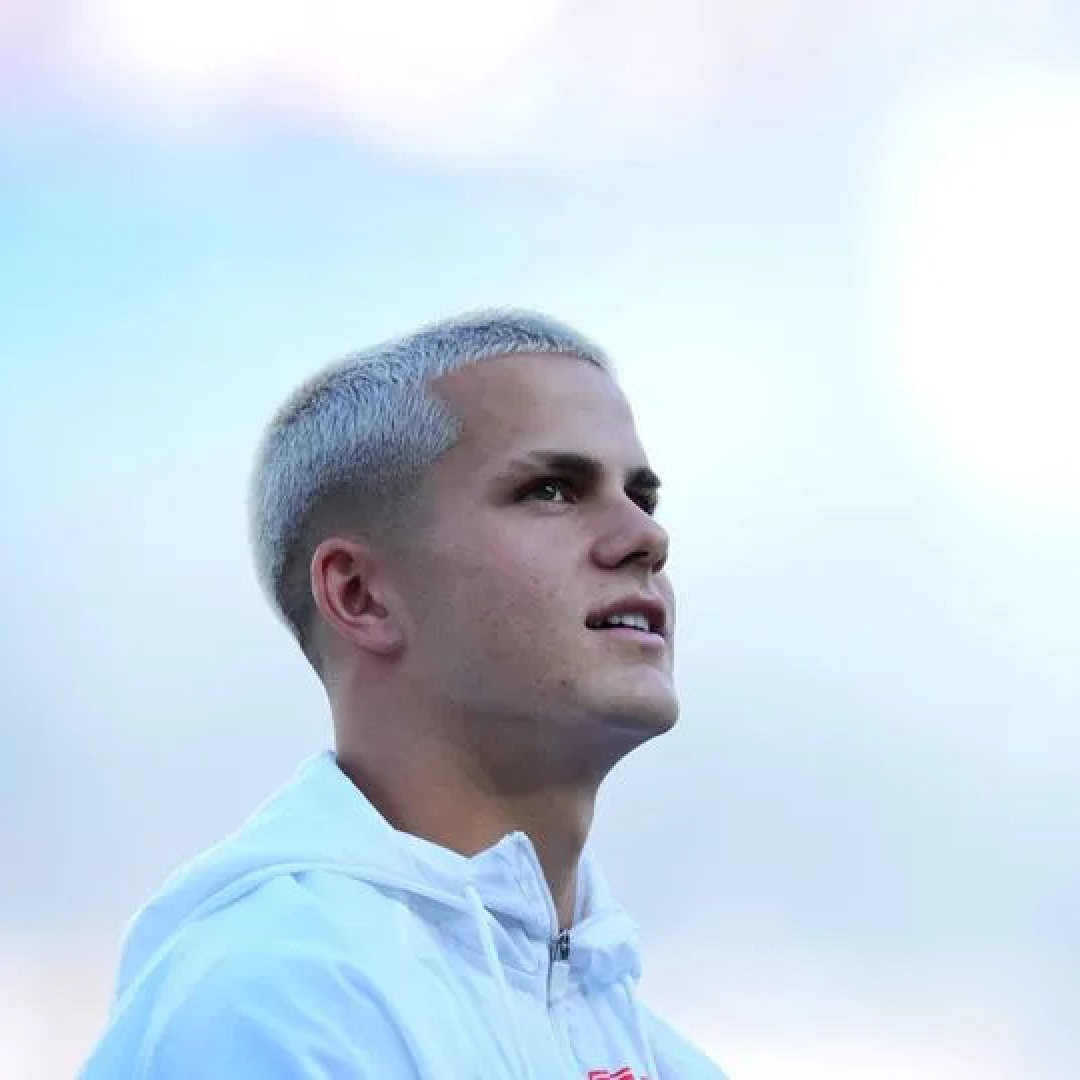
The U.S. men's soccer team has recently experienced a surge of optimism, thanks to a new generation of talented teenagers who have led the team to four consecutive victories. This resurgence follows the excitement generated during the 2026 FIFA World Cup, where the team captured the attention of American fans. Among those leading the charge are promising players like Cavan Sullivan and Julian Hall, who are now being positioned as potential stars for the upcoming 2028 Olympics in Los Angeles.
Dan Helfrich, the COO of U.S. Soccer, has played a pivotal role in this transformation. Since taking on his role earlier this year, Helfrich has made significant decisions, including the re-signing of coach Mauricio Pochettino to a four-year contract after a successful World Cup campaign. His leadership has also seen the recruitment of Steve Cherundolo, a former U.S. World Cup defender and MLS Cup-winning coach, to guide the men's team during the Olympics.
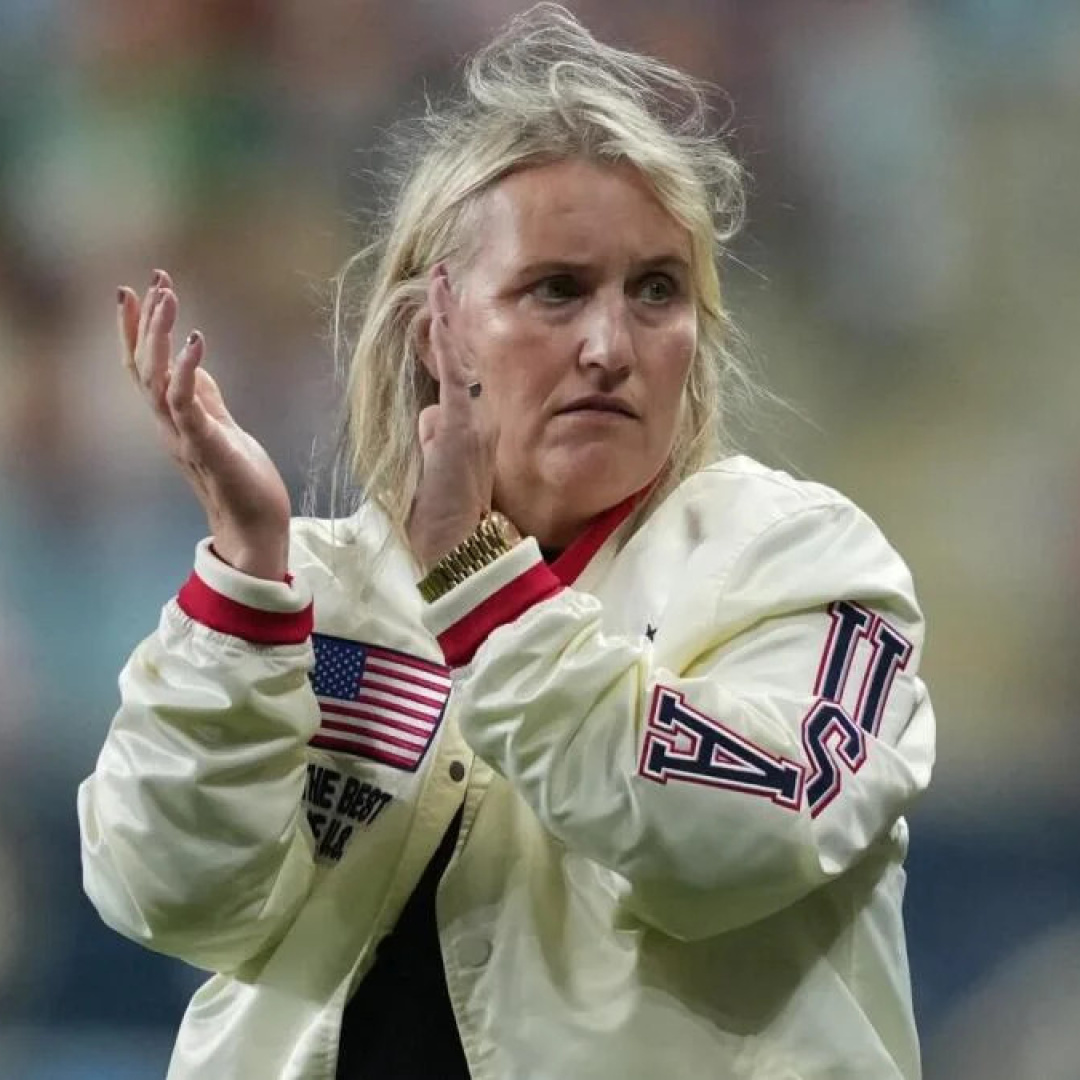
The excitement surrounding the Olympics is palpable, especially after the U.S. women's team has historically excelled in the tournament, winning gold in five of the eight Olympic events. Helfrich believes that the men's team can achieve similar success, stating, "Medaling is very realistic." This optimism is rooted in the understanding that the Olympics differ from the World Cup, primarily being an under-23 event with the allowance of three overage players. This format opens the door for mid-tier national teams, like the U.S., to compete effectively.
The upcoming LA28 Olympics will feature a 12-nation men's tournament, and if the U.S. can advance from the group stage, they could be just one win away from a medal. Helfrich envisions a scenario where 90,000 fans fill the Rose Bowl, cheering on both the men's and women's teams as they pursue Olympic glory. He emphasizes the importance of harnessing the public's passion for soccer, which has grown significantly since the World Cup.
Building a legacy through upcoming tournaments
Helfrich's vision for U.S. Soccer extends beyond the Olympics. He sees a connection between the 2026 World Cup, the 2028 Olympics, and the potential 2031 Women's World Cup, suggesting that these events can create a pipeline of talent and excitement for the sport in America. Sullivan and Hall are at the forefront of this movement, with Hall already making headlines by scoring in his first three senior international matches, including a decisive goal against Mexico. Sullivan, at just 17, has also made history as the youngest goalscorer for the national team.
With a roster that includes several young players eligible for the Olympics, Pochettino's focus will be on developing this talent while Cherundolo prepares the Olympic squad. The challenge lies in securing the release of players from European clubs, as FIFA does not mandate clubs to release youth players for the Olympics. However, the allure of a home Olympics and the potential for player transfers may encourage clubs to cooperate.
When the Noise Dies Down
The historical link between Olympic success and World Cup performance is well-documented, with many successful World Cup teams boasting former Olympic players. Helfrich points out that the U.S. men’s best Olympic finish came in 2000, where they reached the semifinals and laid the groundwork for their 2002 World Cup success. The next four years will be crucial for U.S. Soccer as they aim to build on this momentum and make strategic decisions that will shape the future of the national team.
As Helfrich notes, this new chapter for U.S. Soccer is marked by a longer preparation cycle, allowing for a more comprehensive approach to player development and team strategy. The focus on nurturing young talent and creating a cohesive plan for the men's national team reflects a commitment to elevating U.S. Soccer on the global stage. With the right decisions and a strong emphasis on youth, the U.S. could very well be on the path to Olympic success and beyond.