FIFA's record funding transforms football in emerging nations
FIFA's recent financial initiatives are making waves in the world of football, particularly in emerging nations like Mauritania, Bangladesh, and Bhutan. Through a substantial increase in funding and improved access to tournaments, these countries are laying down the foundations for a more sustainable football culture. The FIFA Forward programme has been pivotal in this transformation, with funding per member association rising from $3.8 million in the 2016-2018 cycle to a staggering $8 million for the current 2023-2026 cycle. Looking ahead, a proposal for the 2027-2030 cycle aims to provide each association with a total of $25 million, a move that could further revolutionize the sport in these regions.
Ahmed Yahya, president of the Mauritanian Football Federation, recently emphasized the tangible benefits of this financial support. "These financial resources allow today's young people to play on real grass pitches rather than rocky or dirt surfaces, and that is what really matters," he stated. Yahya also highlighted the importance of equal funding and voting rights for all nations, asserting that equality is a defining characteristic of FIFA under Gianni Infantino's leadership.
This financial backing is complemented by the FIFA Talent Development Scheme, which aims to nurture local talent while expanding opportunities for youth tournaments. By focusing on these areas, FIFA is not just providing funds but is actively working to create a viable career path in football for young players in developing regions.
In Bangladesh, the impact of FIFA's strategy is already evident. Tabith Awal, president of the Bangladesh Football Federation, shared recent milestones, including a historic victory over San Marino and an invitation to the FIFA ASEAN Cup. "We have made use of many of FIFA's valuable projects, from the Arena programme to Forward, to genuinely develop a football culture in our country," Awal remarked. He praised the current administration's governance approach, noting that Infantino's outreach continues to foster goodwill, even amidst leadership disagreements.
FIFA's influence on Bhutan's football growth
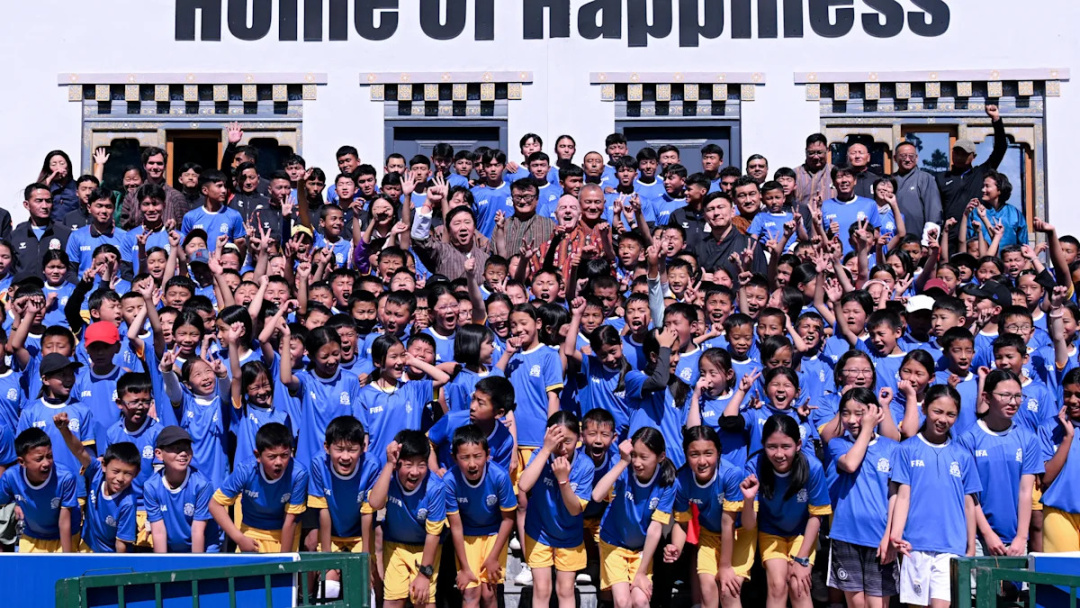
Bhutan has also benefited from FIFA's commitment, with the recent visit of the FIFA president marking a historic moment for the nation. Dasho Ugen Tsechup, president of the Bhutan Football Federation, outlined ambitious plans for the future, including the Rama project, which aims to establish a school and academy for boys and girls. He emphasized that every investment made by FIFA has significantly contributed to the development of football in Bhutan.
The View from the Cheap Seats
The human impact of these initiatives is particularly notable in women's football. Pema Choden Tshering, captain of Bhutan's women's national team, shared her experiences of playing on improved pitches, stating, "I grew up playing on dusty pitches. Now I have the opportunity to play on artificial turf and natural grass pitches through my international experiences." The establishment of a girls' academy in Gelephu, supported by FIFA funding, has provided over 60 girls with the chance to train regularly, fostering both their athletic and personal growth.
While elite European football often dominates headlines, the reality for countries like Mauritania, Bangladesh, and Bhutan is that structured and sustained investment is creating solid foundations for the future. By combining reliable funding, clear pathways for talent, and grassroots infrastructure, FIFA is laying the groundwork for equitable growth in world football, ensuring that the sport can thrive in every corner of the globe.