Tracy Wolfson's on-field interaction with Josh Allen sparks debate
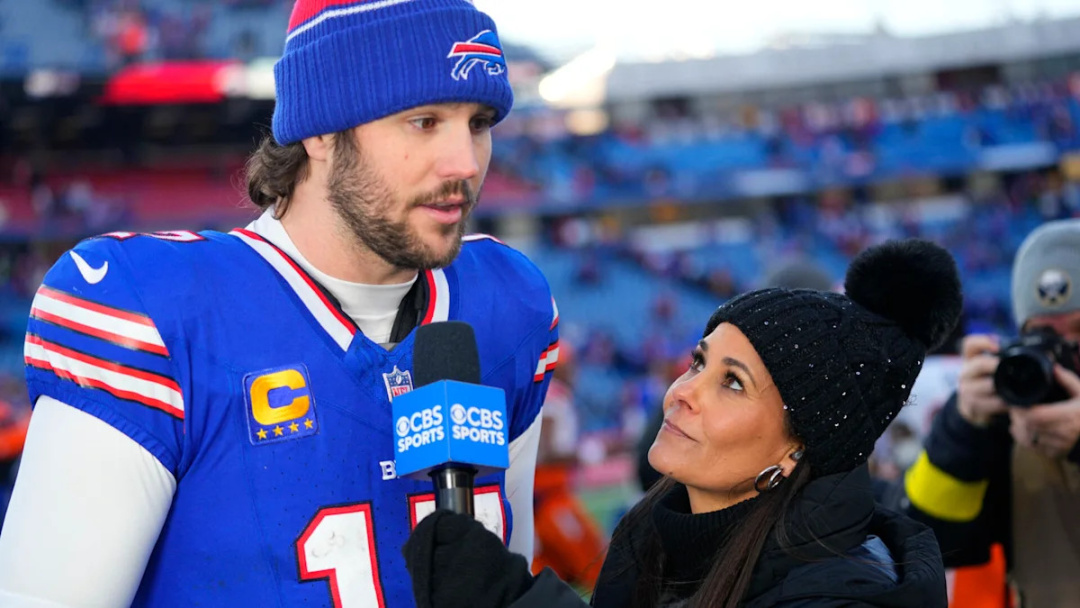
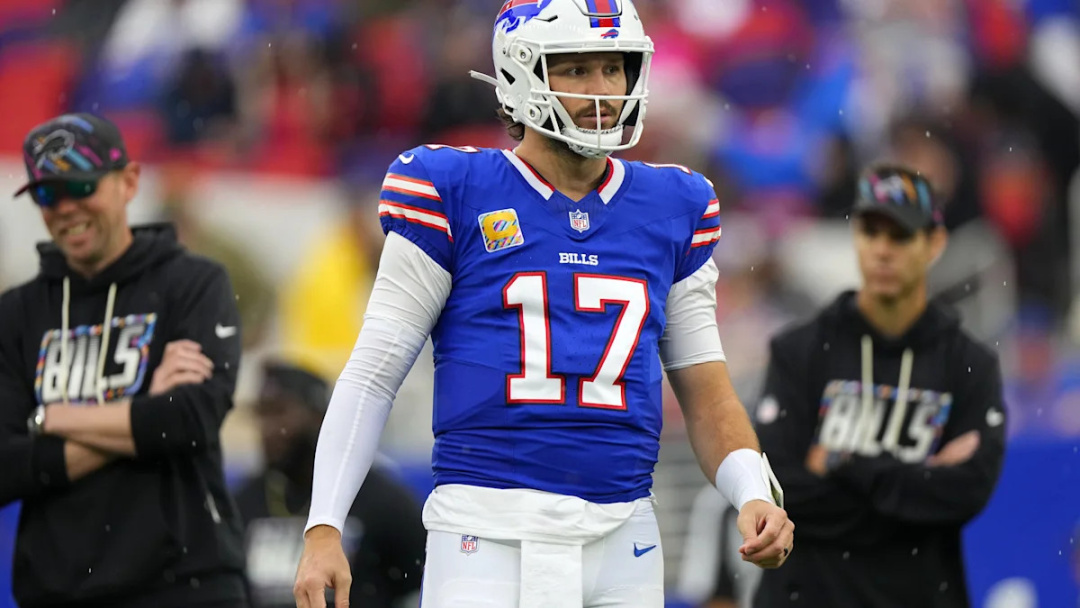
In the aftermath of the Buffalo Bills' win against the Las Vegas Raiders in Week 6, a seemingly innocuous moment between CBS reporter Tracy Wolfson and quarterback Josh Allen has ignited a flurry of speculation among NFL fans. The incident, which occurred during a postgame interview, features Wolfson appearing to tap Allen on the rear, leading to questions about the appropriateness of such interactions in the realm of sports journalism.
The moment was captured on live television, but the camera angle leaves much to interpretation. Viewers could only see the front of both individuals, making it difficult to ascertain the exact nature of the contact. Given the height difference between the two—Wolfson being significantly shorter than Allen—it is plausible that the tap was not intended for the buttocks but rather was a miscalculated gesture that ended up there.
This incident comes on the heels of another controversial moment in the NFL, where Charissa Thompson was kissed by Broncos head coach Sean Payton during a pregame exchange. Such interactions, while perhaps intended to be friendly, have raised eyebrows regarding the boundaries between media personnel and the athletes they cover. The question arises: have the lines of professionalism blurred in the modern sports landscape?
The viral nature of the video has led to widespread discussion on social media, with many fans weighing in on whether Wolfson's action was inappropriate or simply a light-hearted moment. The incident has sparked a broader conversation about the role of female reporters in sports and the scrutiny they face in maintaining professionalism while engaging with players.
Historically, the media maintained a certain distance from the athletes they reported on, a practice that seems to be fading. The case of Dianna Russini, who lost her job due to perceived closeness with Patriots coach Mike Vrabel, highlights the precarious position female reporters often find themselves in. They must navigate the fine line between being personable and maintaining credibility in a male-dominated industry.
Media interactions and their consequences
As the debate continues, it remains to be seen whether either Wolfson or Allen will address the incident publicly. Will this moment fade into obscurity like the Thompson-Payton interaction, or will it prompt a reevaluation of how reporters engage with players on and off the field? The implications of such interactions could influence how future media coverage is conducted, particularly regarding the treatment of female reporters in the NFL.
In an era where social media amplifies every moment, the scrutiny on reporters is more intense than ever. Female journalists, in particular, are often held to a different standard, facing backlash for actions that may be overlooked if committed by their male counterparts. This incident serves as a reminder of the challenges faced by women in sports journalism and the need for a dialogue about professionalism in the field.
The Final Whistle
As fans continue to dissect the moment, it’s crucial to consider the broader implications of such interactions. The NFL is not just a game; it’s a cultural phenomenon that reflects societal norms and expectations. The way media personnel interact with players can shape public perception and influence the dynamics of sports reporting. It’s a delicate balance that requires careful consideration, especially in a landscape where every gesture can be scrutinized and interpreted in various ways.
Ultimately, while the incident between Wolfson and Allen may seem trivial, it highlights significant issues regarding media professionalism and the treatment of female reporters in sports. As the lines between personal and professional continue to blur, it’s essential for both reporters and athletes to navigate these interactions thoughtfully, ensuring that respect and professionalism remain at the forefront of sports journalism. The conversation sparked by this moment may lead to a reevaluation of how such interactions are perceived and managed in the future, fostering a healthier environment for all involved in the game.