Analyzing the Impact of a 24-Team College Football Playoff Format

Another massive change is on the horizon for college football as the NCAA prepares to implement a 24-team College Football Playoff by the 2027 season. This shift marks a significant evolution from the current 12-team format, which itself was a major upgrade from the previous four-team system. The logistics surrounding this new playoff structure are still being finalized, but initial reports suggest that the format will include 19 at-large bids alongside the champions from the Power 4 conferences and the highest-ranked Group of 6 team, all of which will receive automatic bids. Under this proposed structure, the top eight seeds would receive a first-round bye, while seeds ranked ninth through sixteenth would host first-round games.
The implications of this expanded playoff format are profound, particularly when considering how it would have reshaped the postseason landscape had it been in place last season. For instance, teams like Oregon, Ole Miss, Texas A&M, and Oklahoma would have enjoyed the benefit of a first-round bye, allowing them to rest and prepare for the later stages of the tournament. Conversely, teams such as Notre Dame, BYU, Texas, and Vanderbilt, which narrowly missed the playoffs under the current system, would have had a chance to compete for the national title. This expanded opportunity could lead to a more dynamic and unpredictable playoff environment, where underdogs have a legitimate shot at making a deep run.
As we look ahead to the 2025 season, the potential for a 24-team playoff raises questions about the future of conference championships. With the likely elimination of these games, the focus will shift to regular-season performance as the primary determinant for playoff eligibility. Analyzing the College Football Playoff Rankings from Week 15 of last season provides a glimpse into how this new format could have played out. Based on those rankings, teams that performed well throughout the season would have been rewarded with playoff spots, while others would have been left out, emphasizing the importance of every game.
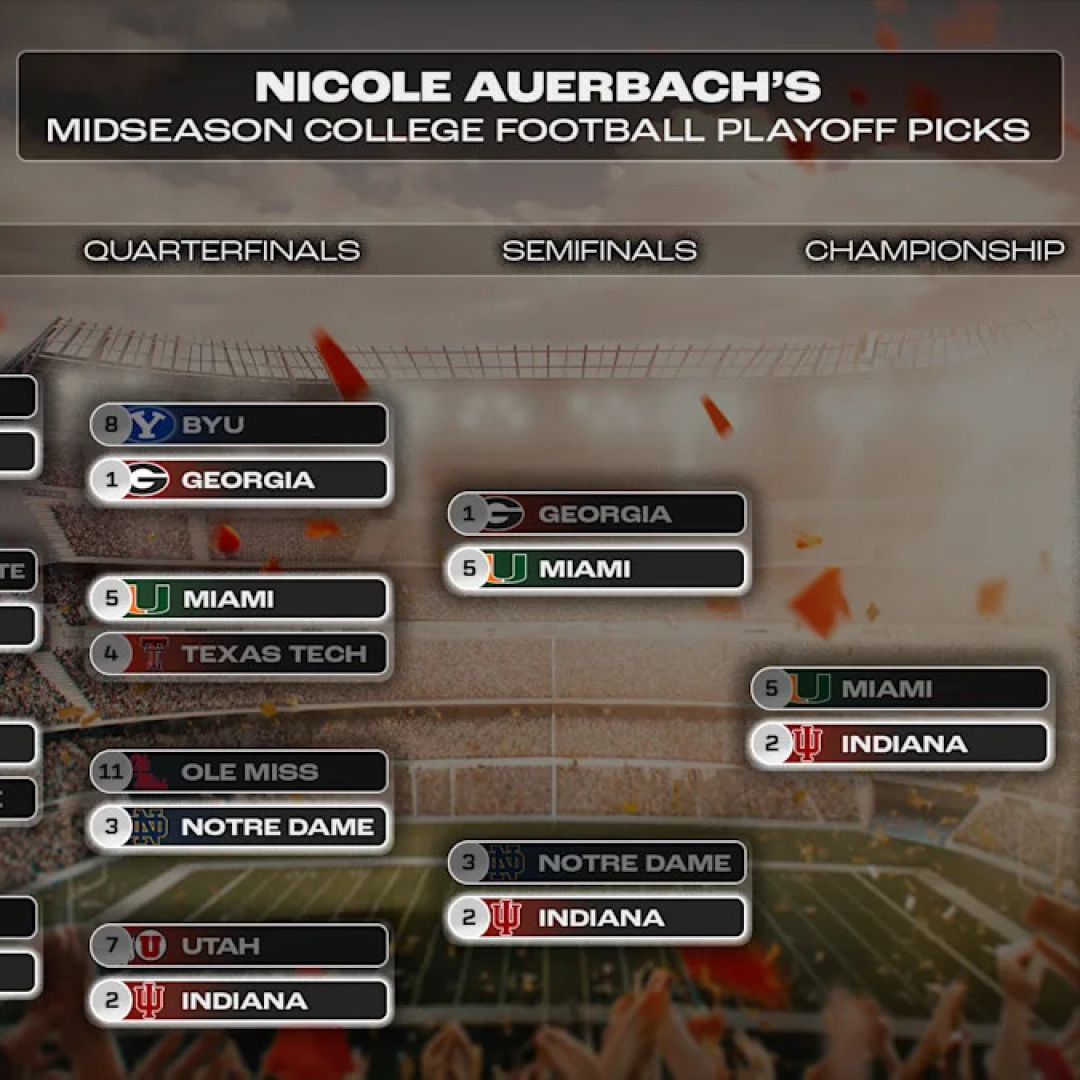
The current season is still unfolding, and while the first College Football Playoff rankings will not be released until November, early indicators suggest which teams are emerging as contenders. If we were to create a hypothetical bracket based on the Week 7 AP Poll, teams like SMU, LSU, and Boise State would find themselves in the playoff mix, showcasing the depth of talent across college football. Even teams with two losses, such as LSU, would still have a chance to compete for the national championship, further illustrating the potential for surprises in an expanded playoff format.
Preparing for the playoff transformation
As the NCAA gears up for this monumental shift, the conversation around the 24-team playoff will undoubtedly intensify. Stakeholders across the college football landscape will need to adapt to the new realities of postseason play, including the potential for increased revenue and fan engagement. With more teams involved, the excitement surrounding the playoffs could reach new heights, drawing in larger audiences and creating more compelling narratives.
What the Scoreboard Won't Tell You
However, this change also brings challenges. The elimination of conference championships could lead to debates over the fairness of the selection process and the criteria used to determine playoff participants. As teams vie for their place in this new format, the pressure will be on coaches and players to perform consistently throughout the season, knowing that every game could impact their playoff aspirations.
In conclusion, the introduction of a 24-team College Football Playoff represents a significant evolution in the landscape of college football. By expanding the field, the NCAA is not only providing more teams with the opportunity to compete for a national title but also reshaping the way the sport is viewed and experienced by fans. As we approach the 2027 season, the anticipation surrounding this new format will only grow, making it an exciting time for college football enthusiasts.