NFL Coaches Split on Overtime Strategy: Kick or Receive?

The NFL's recent changes to the overtime format, which guarantee both teams a possession, have sparked ongoing debates among coaches regarding the best strategy to adopt after winning the coin toss. As the league enters its second season under this new format, the lack of consensus remains evident. In five overtime games played this season, three teams have opted to kick the ball, while two have chosen to receive it, showcasing the varied approaches taken by different coaching staffs.
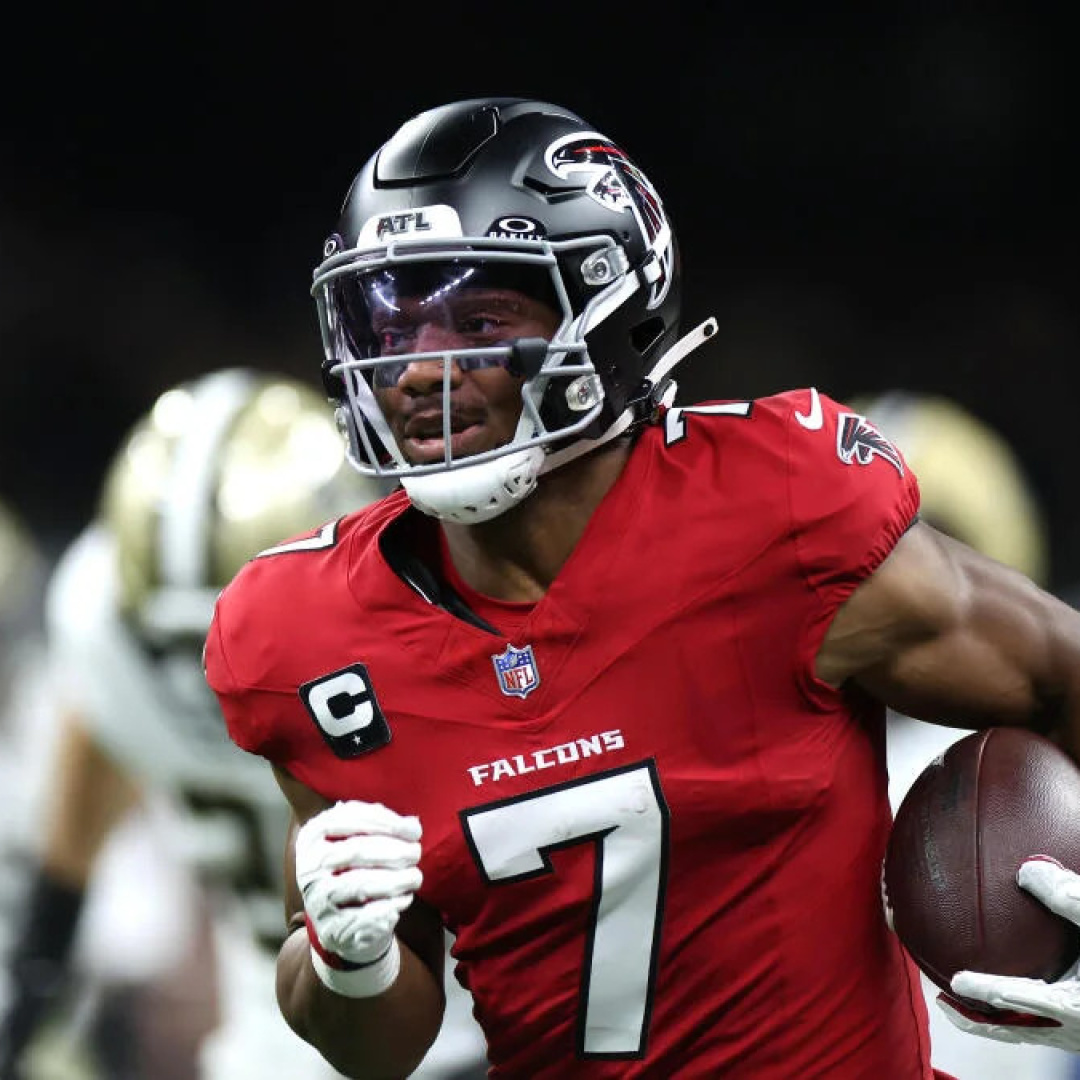
In a notable Sunday matchup, the Washington Commanders faced off against the New York Giants in one of two overtime games that day. The Commanders won the toss and decided to kick, ultimately resulting in a tie against the Giants. Meanwhile, the Baltimore Ravens, who also played in overtime that day, won the toss and chose to receive the ball, leading to a victory over the Atlanta Falcons. Ravens head coach Jesse Minter explained his decision to receive, citing a combination of research into overtime strategies and specific game conditions.
Minter pointed out that historical data suggests teams that receive the ball first tend to have a better success rate in overtime. "There’s a lot of numbers," he stated. "I think the team that takes the ball has a much better record, if you look at it over the course of time. You study that stuff, you look at it." In the context of the game against the Falcons, Minter believed that running back Derrick Henry was wearing down the opposing defense, making it advantageous for the Ravens to capitalize on their offensive momentum.
"I did feel like our offense was rolling a little bit and their defense was getting a little bit tired," Minter elaborated. "If you go out there and you get Derrick rolling again, you’re out of the two-minute mode and you’re back in the normal offense, we could punish them with the run game a little bit, and that’s what happened." This strategic thinking reflects the importance of situational awareness in coaching decisions during critical moments of the game.
Coaching decisions under overtime pressure
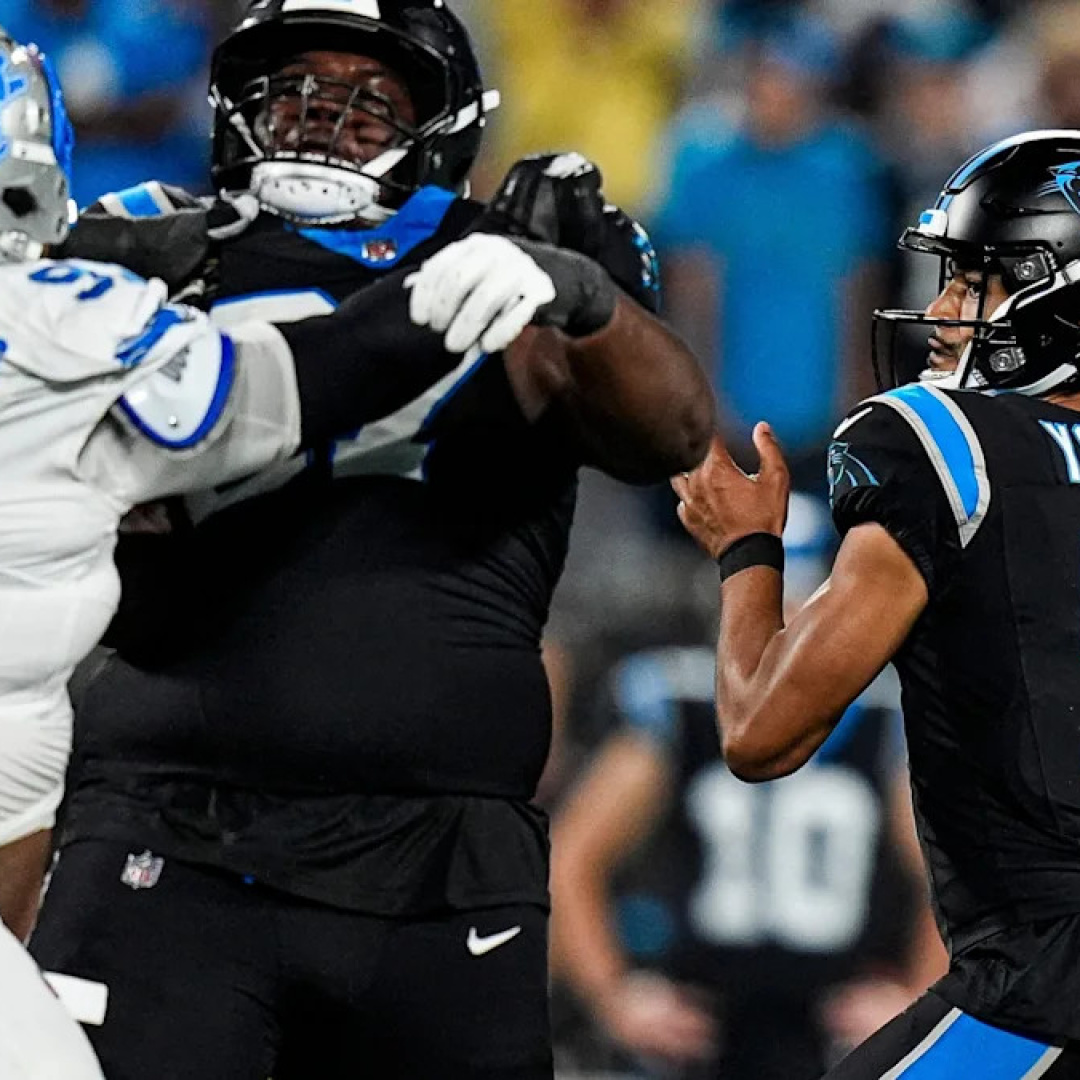
On the other hand, Commanders coach Dan Quinn faced scrutiny for his choice to kick, especially following a clock-management blunder that marred his team's performance in overtime. In the three previous overtime games this season, different strategies were employed: Jets coach Aaron Glenn chose to receive but lost to the Packers, Colts coach Shane Steichen opted to kick and lost to the Chiefs, and Saints coach Kellen Moore also chose to kick, ultimately falling to the Lions. These outcomes suggest that winning the coin toss may not significantly impact the game's result, indicating that the current overtime format is an improvement over the previous one.
As the season progresses, it will be interesting to see if coaches continue to experiment with their strategies in overtime situations. The ongoing debate about whether to kick or receive highlights the tactical complexities of the game and the varying philosophies that coaches bring to the table. Ultimately, the decisions made in these high-stakes moments can define a team's season and shape their playoff aspirations.
The Final Whistle
The contrasting choices made by coaches reflect a broader trend in the NFL, where data-driven decision-making is becoming increasingly prevalent. As teams analyze past performances and adapt their strategies accordingly, the conversation surrounding overtime tactics will likely continue to evolve. Coaches must weigh the statistical advantages against their team's strengths and the specific dynamics of each game. This ongoing dialogue not only influences individual games but also contributes to the overall development of coaching strategies in the league.
In conclusion, the NFL's overtime format has introduced new layers of strategy and decision-making for coaches. As evidenced by the choices made in recent games, there is no one-size-fits-all approach to overtime. The decisions to kick or receive can have significant implications for a team's success, and as coaches continue to navigate these high-pressure situations, the debate will undoubtedly persist. The evolving nature of the game ensures that every decision is scrutinized, and the outcomes will shape the future of overtime strategies in the NFL.