CAF President Motsepe Reconsiders AFCON's Four-Year Cycle

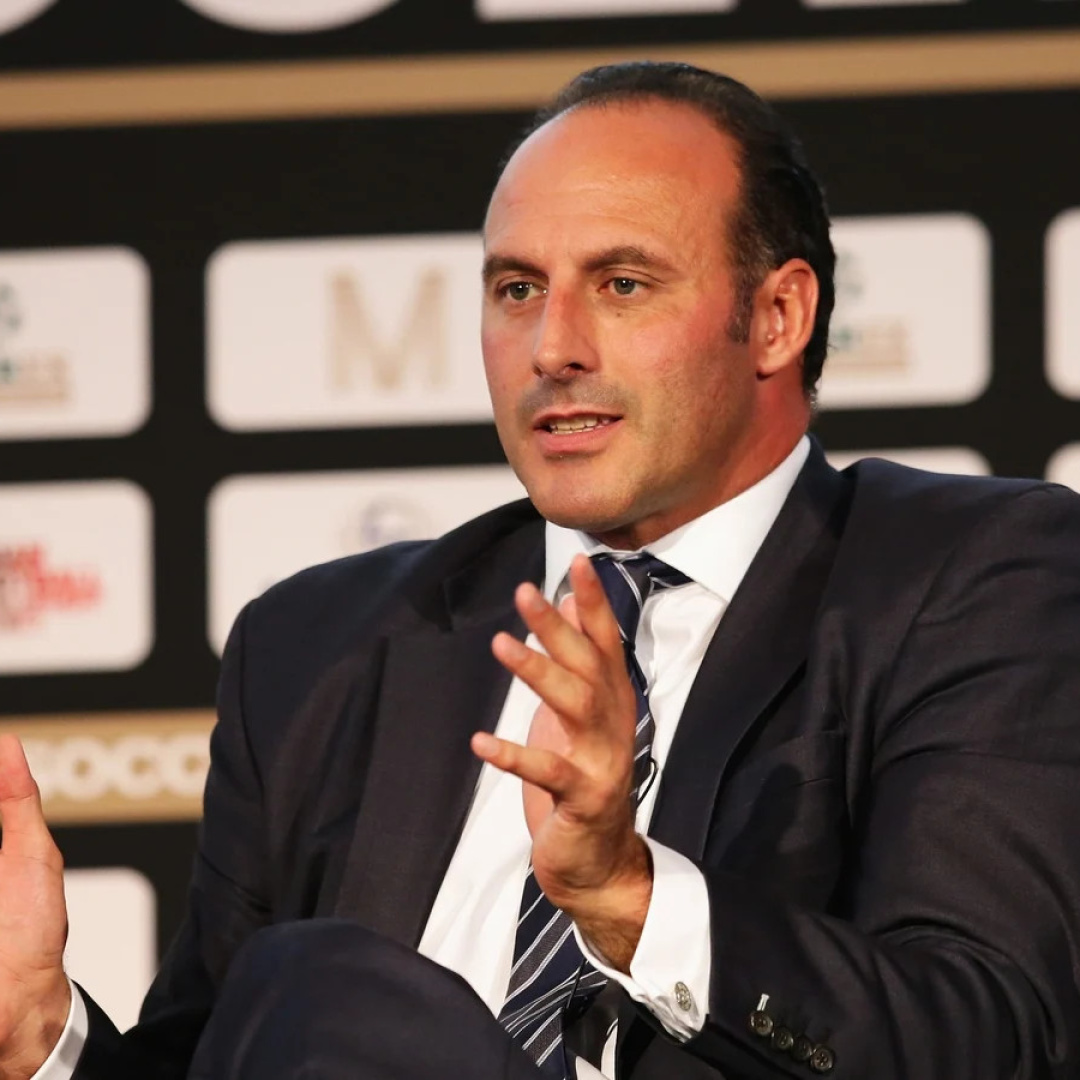
The Confederation of African Football (CAF) is reassessing its decision to transition the Africa Cup of Nations (AFCON) to a four-year cycle, according to CAF president Patrice Motsepe. This announcement comes as Motsepe firmly stated that CAF does not operate under the directives of FIFA or UEFA, countering perceptions that the change was influenced by European football's interests.
Motsepe, who previously declared that the AFCON would shift to a four-year schedule starting in 2028, expressed frustration over the backlash from various stakeholders during the 2025 AFCON in Morocco. Many critics felt that the decision was made to appease European football authorities, potentially undermining the interests of African football.
In a recent statement, Motsepe described the notion that CAF is being dictated to by FIFA or UEFA as "nonsense, absolute rubbish." He emphasized his commitment to safeguarding African football, stating, "My No. 1 job, my No. 1 duty is to protect, promote, and advance the interests of Africa." This sentiment reflects a growing concern among African football leaders about maintaining autonomy in decision-making processes that affect the continent's football landscape.
Motsepe revealed that discussions are ongoing regarding the AFCON's scheduling, including the possibility of reverting to a biennial format. "We have discussed it over the last few days to say we are looking at everything, including having the AFCON coming back every two years," he noted, indicating a willingness to adapt based on feedback from various stakeholders.
The CAF president made these remarks during the final day of a three-day strategy conference held in Cape Verde. He also reiterated the organization's unanimous support for FIFA president Gianni Infantino, who has faced criticism in recent years. Infantino reminded attendees of the significant investments FIFA has made in African football since taking office a decade ago.
Confidence in Africa's tournament readiness
Despite concerns regarding the preparations for the upcoming 2027 Africa Cup of Nations, which is set to take place in Kenya, Tanzania, and Uganda, Motsepe assured that the tournament will proceed as planned. He acknowledged the challenges but urged confidence in Africa's ability to host the event. "You have to believe in Africa. There will be problems, there will be failures, fine, but we will be there. That’s what Mandela taught us," he stated, invoking the legacy of the late South African leader to inspire resilience and determination.
The potential return to a biennial AFCON could have significant implications for African football. A more frequent tournament could enhance the visibility of African talent on the global stage, providing players with more opportunities to showcase their skills and attract attention from international clubs. Additionally, it could foster greater competition among African nations, as teams would have more chances to compete for the continental title.
Here's the Real Score
However, the decision also raises questions about the logistical challenges of hosting the tournament more frequently. Organizing a major international competition requires substantial resources and infrastructure, and it remains to be seen whether all participating nations can meet these demands consistently. Furthermore, the balance between aligning with FIFA's international calendar and prioritizing African interests will be a critical factor in the decision-making process.
As CAF navigates these complexities, the outcome of this re-evaluation will undoubtedly shape the future of African football and its standing in the global arena. The ongoing dialogue within CAF reflects a broader trend of African football authorities seeking to assert their independence and prioritize the continent's unique needs in the face of external pressures.