Lionel Messi's retirement: What lies ahead for Argentina's national team

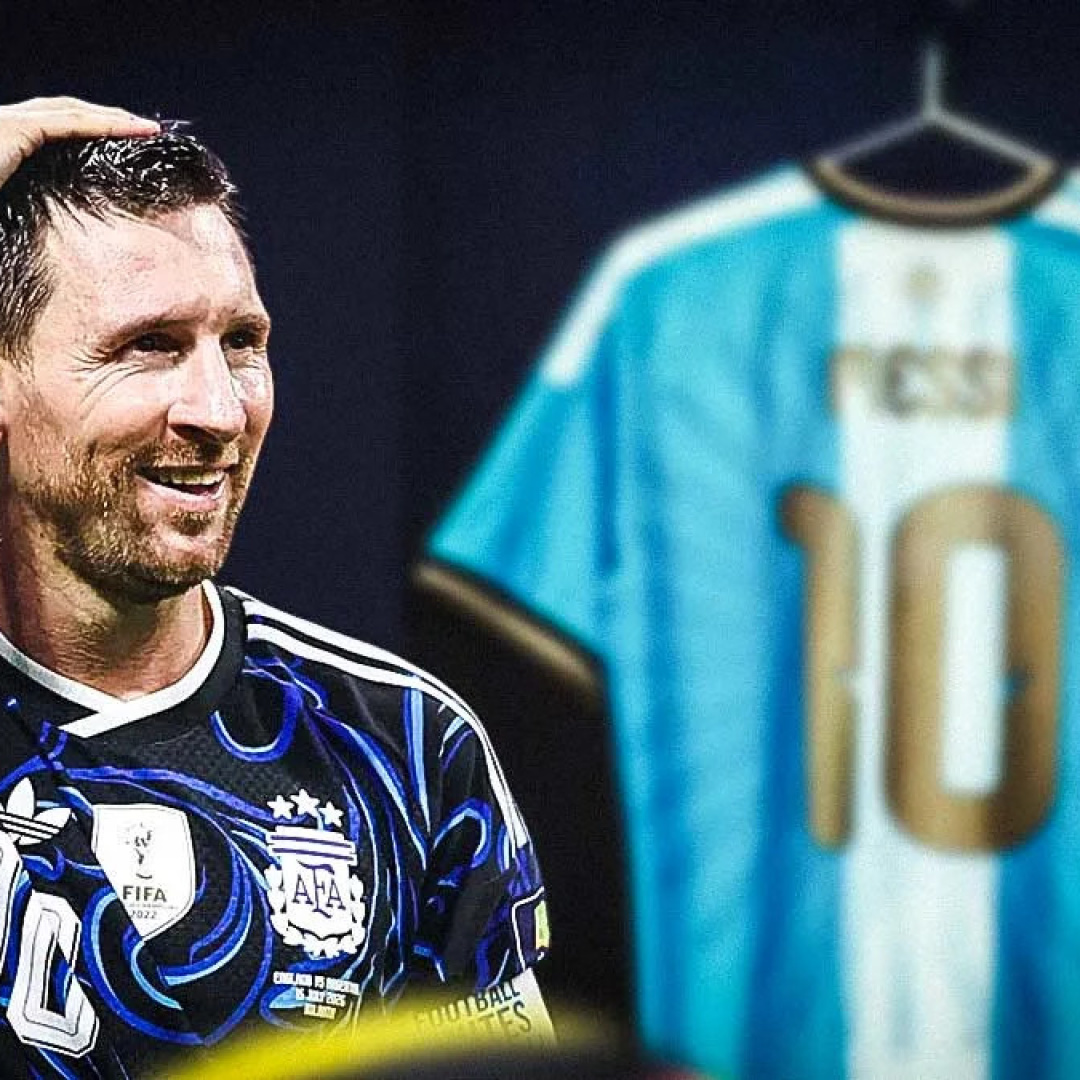
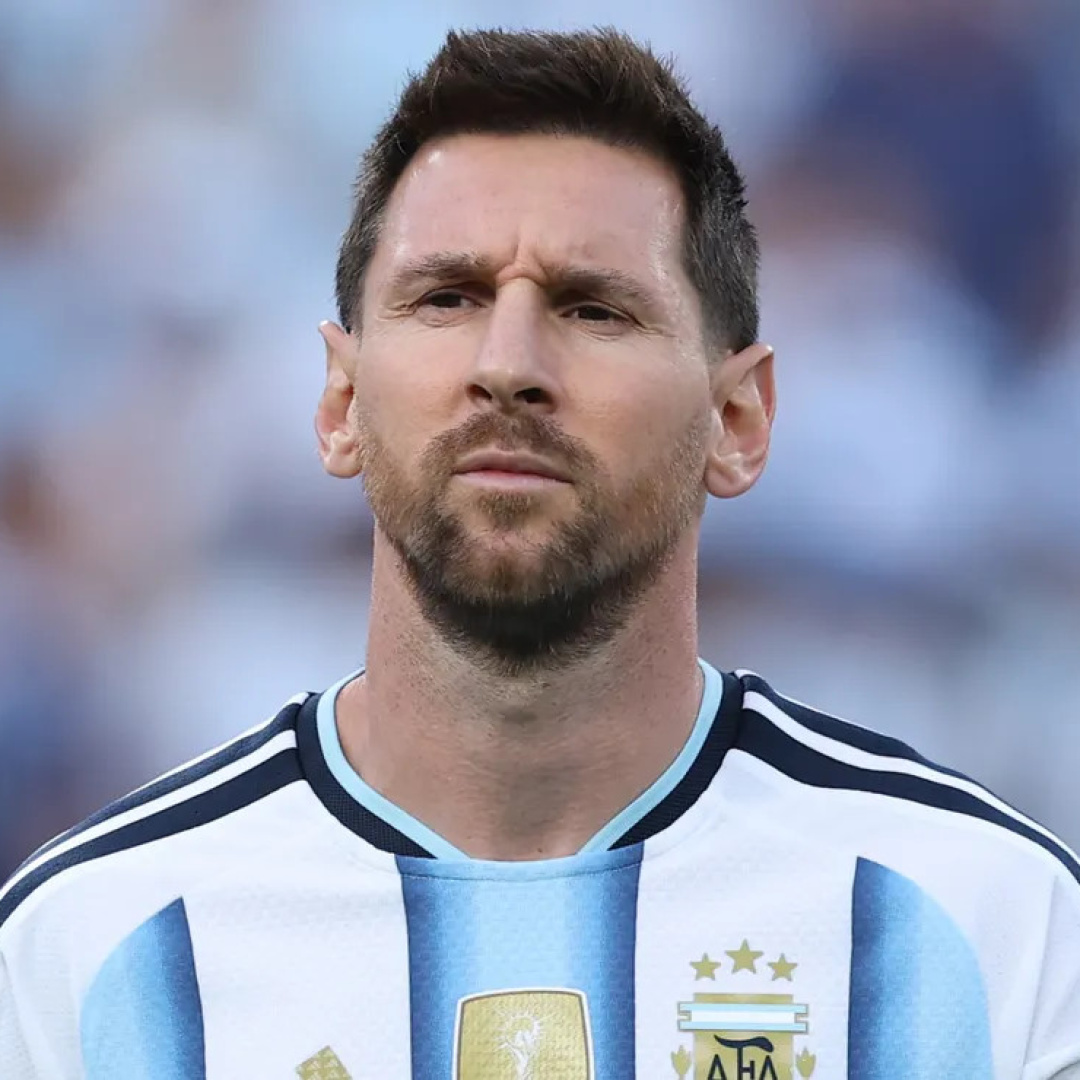
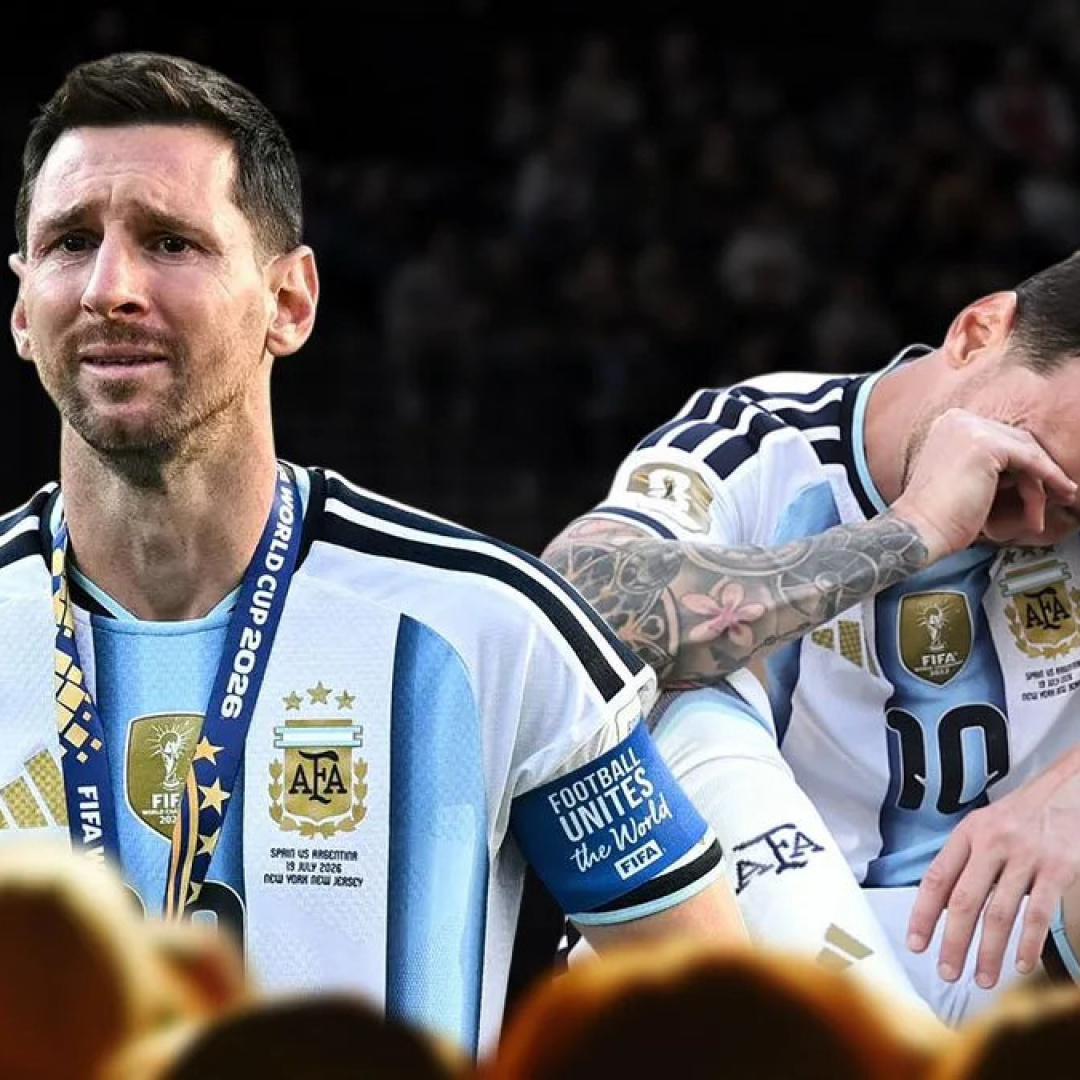
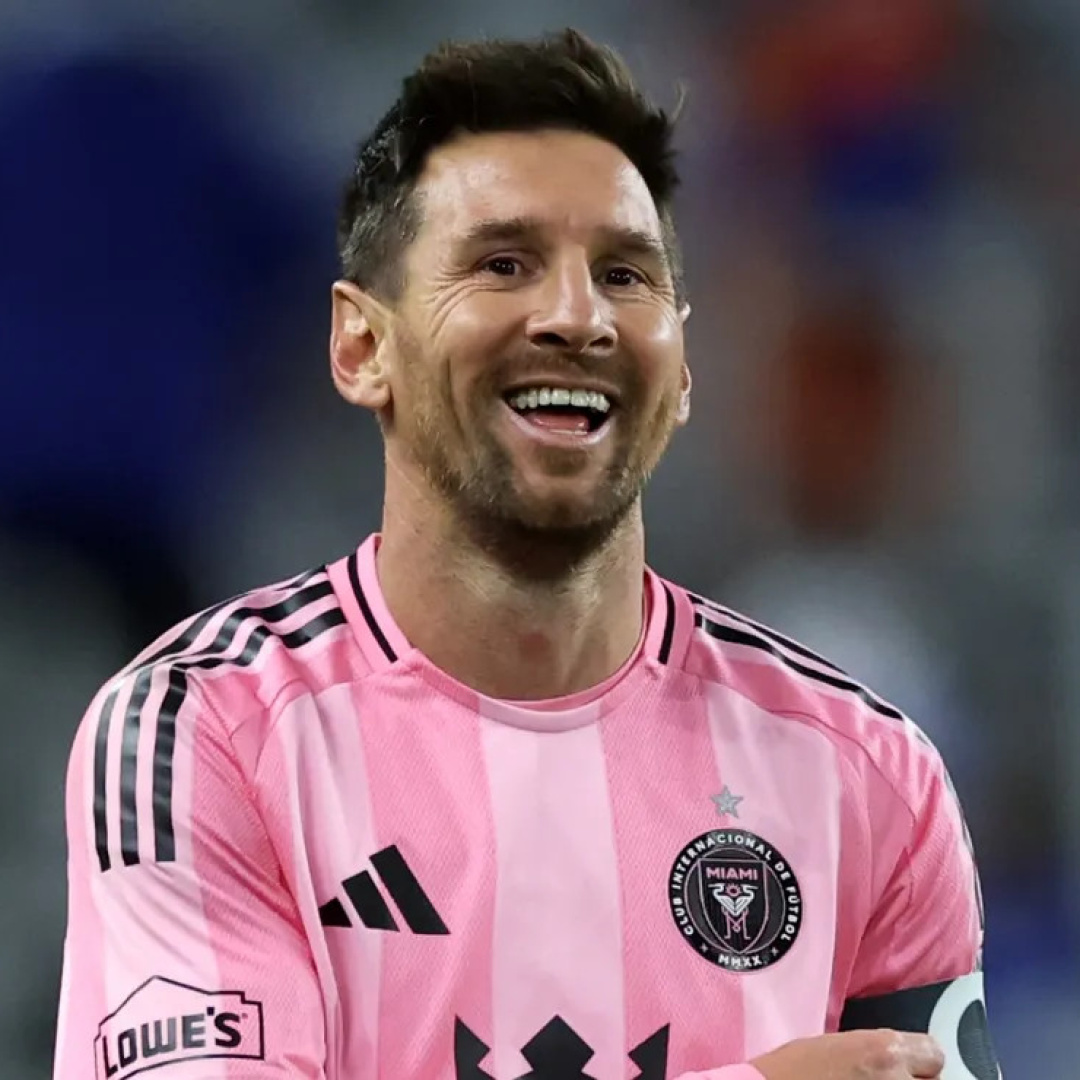
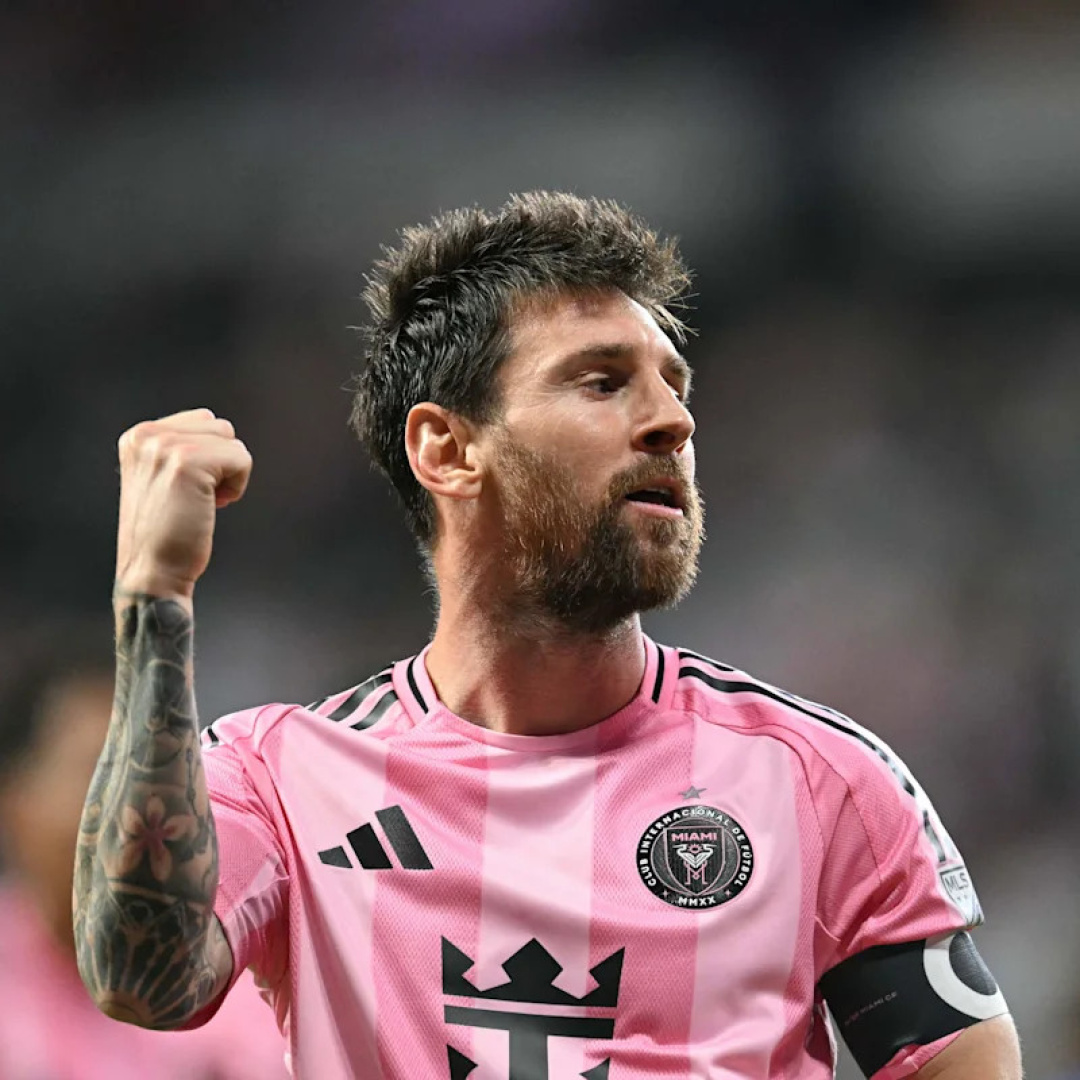
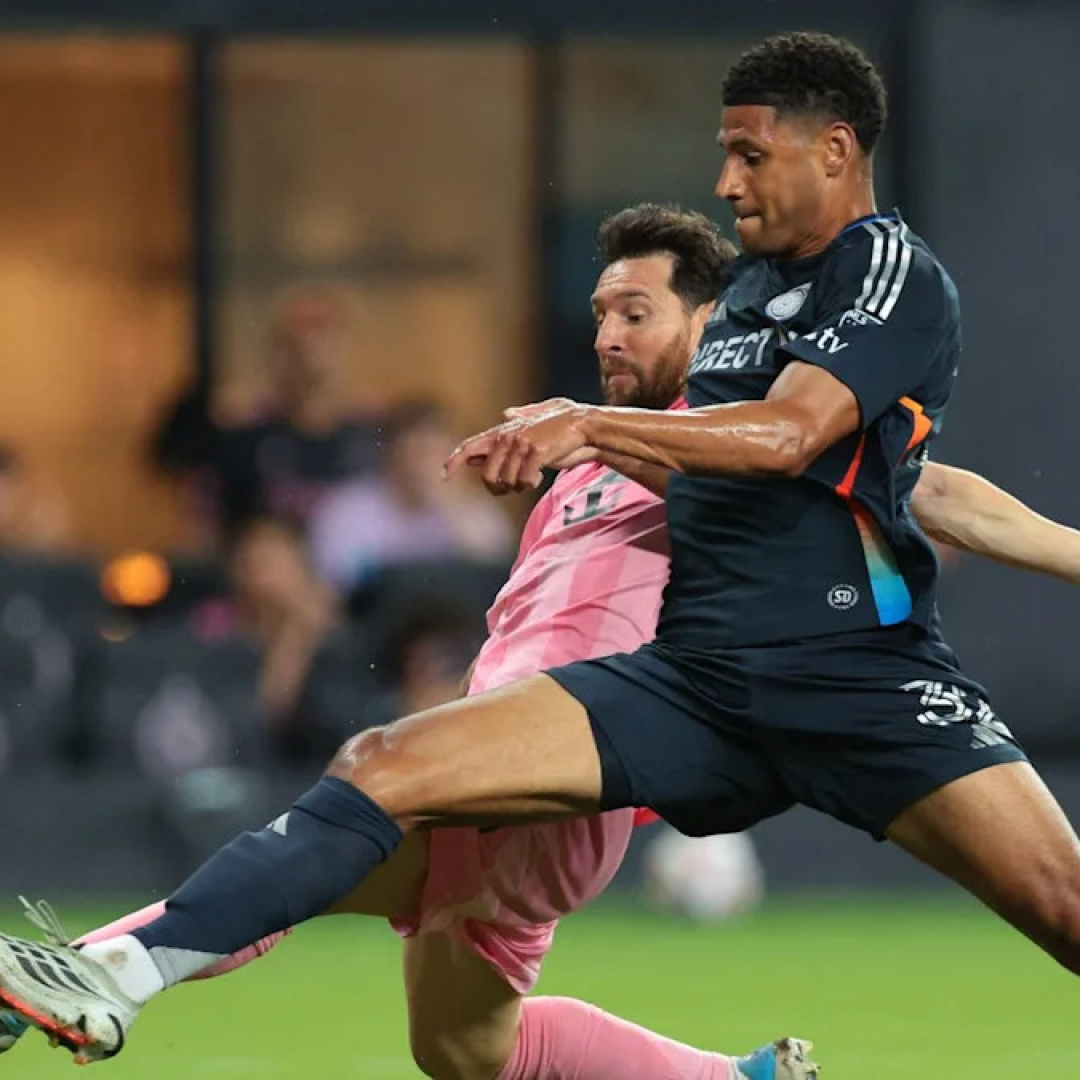
On October 6, a historic moment will unfold as Lionel Messi, one of the greatest footballers of all time, plays his final match for the Argentinian national team. This decision, announced last month, marks the end of an era for Argentina, which has seen Messi lead the team to two Copa America titles and the 2022 World Cup victory in Qatar. The farewell match at Estadio Monumental in Buenos Aires is expected to draw a significant crowd, including many of Messi's former teammates and current national players, all there to honor their legendary captain.
As Messi steps away from international competition, the future of the Albiceleste is shrouded in uncertainty. Questions loom about who will step up to lead the next generation of players. With Messi's departure, several other key figures, such as Nicolas Tagliafico, Nicolas Otamendi, Leandro Paredes, and Rodrigo De Paul, may also follow suit, leaving a void that will be challenging to fill. The upcoming cycle leading to the 2030 World Cup, which will be co-hosted by Spain, Morocco, and Portugal, will require a significant reshaping of the squad.
Argentina has already begun to prepare for this transition, naming Atletico Madrid defender Cristian Romero as the new captain. He will be supported by Chelsea goalkeeper Emiliano Martinez and Inter striker Lautaro Martinez. While no player can truly replace Messi's unique influence on the pitch, the team will need to rely on emerging talents who can step into crucial roles. One such player is Franco Mastantuono, a Real Madrid loanee who has shown promise despite early struggles in Spain. Currently on loan at Fiorentina, he aims to regain his confidence and contribute significantly in the future.
Another rising star is Nico Paz, a 22-year-old attacker from Como, who has already been called up for the 2026 World Cup. With expectations high, Paz is seen as a potential creative force for the team moving forward. Alongside him, established players like Manchester City's Enzo Fernandez and Atletico Madrid's Julian Alvarez will be vital in integrating new talents into the squad, leveraging their experience to guide the next generation.
Historically, teams have faced challenges when losing a player of Messi's caliber, and Argentina is no exception. The pressure on head coach Lionel Scaloni will intensify as he navigates this new landscape. After leading Argentina to glory in the 2022 World Cup, Scaloni's future was uncertain, but the Argentine Football Association has offered him a new contract through the 2030 World Cup, tasking him with steering the team through this pivotal transition.
Scaloni's main challenge will be managing the dynamics of a team that has relied heavily on Messi's presence. The unity that characterized the squad during Messi's tenure will need to be maintained as individual ambitions and egos resurface. The emotional bond that players shared with Messi, evident in their celebrations and support for him, will need to be redirected towards building a cohesive unit without their iconic leader.
The Final Whistle
As Argentina embarks on this new chapter, the focus will shift to how Scaloni and the experienced players can foster a sense of unity and purpose. The transition will not be easy, but with the right leadership and a commitment to integrating new talent, Argentina can aim to remain competitive on the world stage. The legacy of Messi will undoubtedly linger, but it is now up to the next generation to carve out their own identity and success in international football.
In conclusion, Lionel Messi's retirement signifies a monumental shift for the Argentinian national team. As they prepare for the challenges ahead, the focus will be on nurturing emerging talents and maintaining the spirit of teamwork that has defined their recent successes. The road to the 2030 World Cup will be fraught with challenges, but with a blend of experience and youth, Argentina has the potential to continue its legacy in international football.