Dominican Republic imposes stadium ban on Haiti after fan clashes
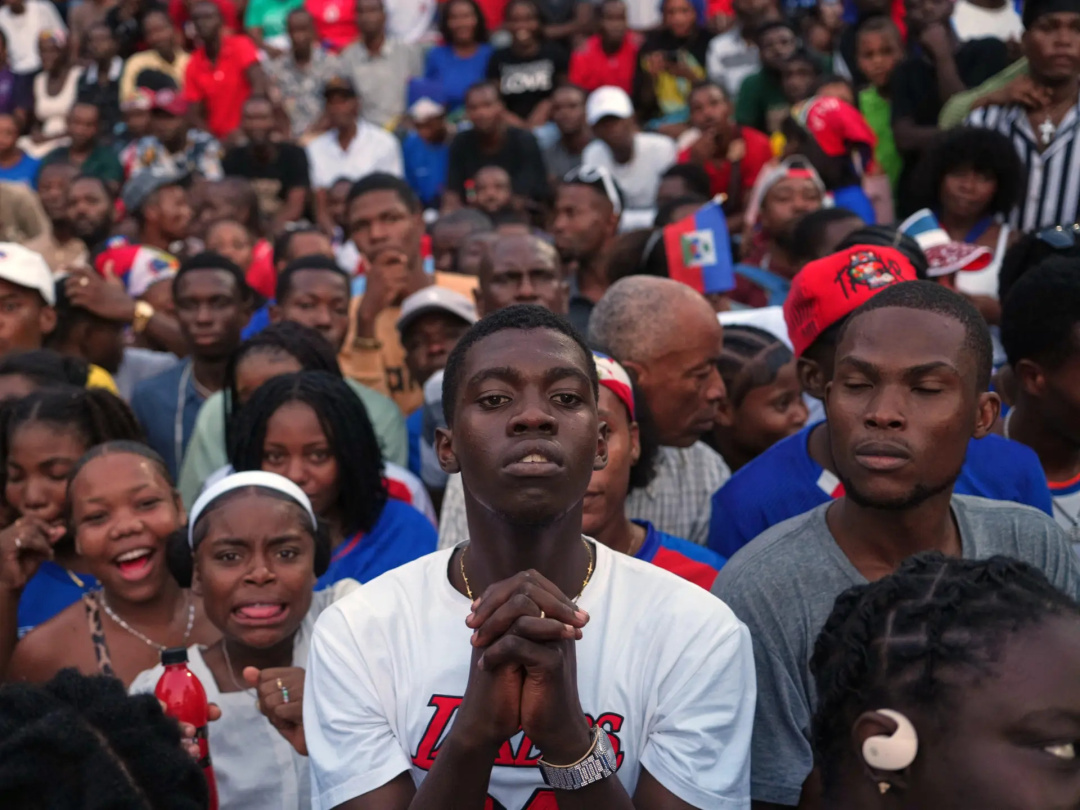
In a significant move following crowd trouble at a recent CONCACAF Nations League match, the Dominican Republic has officially banned Haiti's national football team from its sports venues. This decision was announced by Sports Minister Kelvin Cruz after incidents occurred at the Felix Sanchez Olympic Stadium in Santo Domingo, where fans forced their way through entrances, damaging a gate in the process.
Cruz expressed his disapproval of the events, stating, "What we saw yesterday with a gate at the Felix Sanchez, a sports facility that has cost millions and millions of pesos to make it shine, is unacceptable." He emphasized a zero-tolerance policy towards indiscipline, indicating that such behavior would not be tolerated in the future. The ban has received backing from Dominican Republic President Luis Abinader, who affirmed that the stance taken by the Sports Minister reflects the government's position.
In response to the ban, Haiti's embassy in Santo Domingo issued a statement clarifying that the remarks made by Dominican officials were made in the heat of competition and did not represent the Haitian government's official stance. The embassy highlighted the importance of maintaining good neighborly relations and mutual respect between the two countries, despite the sporting rivalry.
The match itself saw Haiti emerge victorious with a 4-1 scoreline, a result that has added fuel to the already heated rivalry. Sunderland striker Wilson Isidor scored twice, and his post-match comments, declaring, "Hispaniola is Haiti," have been interpreted as provocative by Dominican officials. Dominican Football Federation president Jose Deschamps criticized Isidor's remarks, labeling them a "lack of respect for national sovereignty" and announced plans to file a complaint with FIFA and CONCACAF regarding the incident.
This incident is not an isolated one, as the relationship between the Dominican Republic and Haiti has been fraught with tension over various issues, including migration and border security. Since October 2024, the Dominican government has intensified deportations of undocumented Haitians, pledging to deport up to 10,000 individuals weekly. This political backdrop adds a layer of complexity to the sporting events between the two nations, where football often serves as a microcosm of larger societal issues.
The implications of this ban extend beyond the immediate sporting context. It raises questions about how political tensions can influence sporting events and the role of football in diplomatic relations. As the situation develops, it will be crucial to observe how both nations navigate this rivalry, particularly in light of the upcoming matches and the potential for further incidents.
Here's the Real Score
The intersection of sports and politics is a delicate one, particularly in regions where historical grievances linger. The Dominican Republic's decision to ban Haiti from its stadiums is a stark reminder of how football can reflect and amplify existing tensions. As both nations prepare for future encounters, the focus will not only be on the matches themselves but also on how these events are perceived in the broader context of their bilateral relationship. The stakes are high, and the world will be watching closely to see if football can serve as a bridge or if it will further entrench divisions.
As the dust settles from this latest incident, it is clear that the implications of the Dominican Republic's ban on Haiti extend far beyond the football pitch. The actions taken by government officials highlight the fragile nature of diplomatic relations between the two countries, where a sporting event can quickly escalate into a political statement. The future of football between these two nations now hangs in the balance, with both sides needing to navigate their rivalry carefully to avoid further conflict. The hope remains that football can ultimately foster understanding and respect, rather than division.