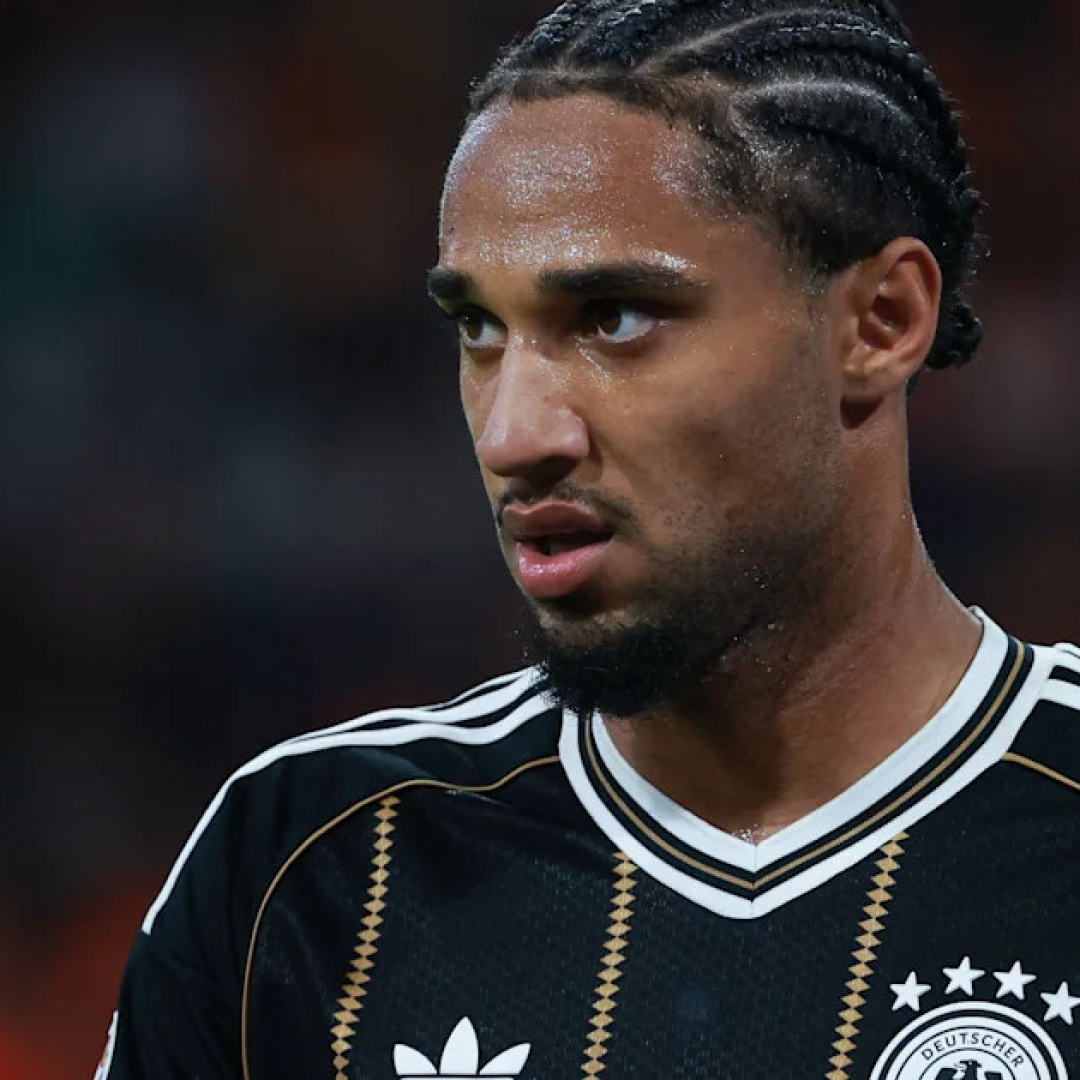
The Evolving Landscape of International Soccer Recruitment

The landscape of international soccer is shifting dramatically, with national team head coaches now tasked not only with selecting the best players but also with identifying emerging talents from around the world. This evolution has introduced complexities, particularly regarding the eligibility of second and third-generation immigrants, as well as players with little or no connection to their country of origin. The result is a hidden transfer window in international soccer, where the movement of players is becoming increasingly prominent.
Historically, national teams had a more static player pool, with few exceptions for dual nationals. A notable example is the Boateng brothers, Jerome and Kevin-Prince, who chose to represent different nations despite their shared upbringing in Berlin. Jerome played for Germany, winning the 2014 FIFA World Cup, while Kevin-Prince opted for Ghana. Such choices were rare, but as society has evolved, so too have the dynamics of national team selection.
Countries like France and Germany have been at the forefront of this recruitment strategy. The German national team, for instance, has successfully integrated second-generation Turkish immigrants, with players like Mesut Ozil exemplifying this trend. Ozil's career with Germany was marred by controversy, particularly after the 2018 World Cup, where he faced backlash for his political affiliations. This incident highlighted the complexities that arise when national identity intersects with player selection.
Switzerland has also capitalized on this trend, building a competitive team largely composed of second-generation immigrants. Other nations have been slower to adapt, but the pressure to evolve is palpable. Italy, traditionally conservative in its approach, has begun to explore talent beyond its borders under the guidance of coach Roberto Mancini. His call-up of Mateo Retegui, an Argentinian striker with Italian roots, sparked discussions about the future of citizenship laws in Italy, which now restrict eligibility to the first two generations.
As national teams navigate this new reality, the recruitment process has become more competitive. Players like Nicolò Tresoldi, who currently plays for Club Brugge, are now faced with choices that could define their careers. Tresoldi, who has represented Germany at the Under-21 level, is weighing his options between Italy and Germany, illustrating the complexities of national allegiance in modern soccer.
Jurgen Klopp, the new German national team coach, has acknowledged the delicate nature of these decisions, emphasizing the importance of respecting players' choices. This reflects a broader trend in international soccer, where players are increasingly empowered to choose the national team that aligns with their ambitions and development goals. The implications of these choices extend beyond individual careers; they shape the future of national teams and the sport as a whole.
The View from the Cheap Seats
As the recruitment landscape evolves, national teams must not only select players but also actively persuade them to represent their country. This shift underscores the changing nature of international soccer, where the traditional notions of national identity and allegiance are being redefined. Coaches and federations are now tasked with building relationships with players, understanding their motivations, and creating an environment that fosters loyalty and commitment.
In conclusion, the changing face of international soccer recruitment reflects broader societal shifts and the increasing complexity of player eligibility. As national teams adapt to these changes, the future of the sport will depend on their ability to navigate this new landscape effectively. The recruitment race is on, and the stakes have never been higher for both players and national teams alike.