Protests Disrupt Ireland's Nations League Match Against Austria
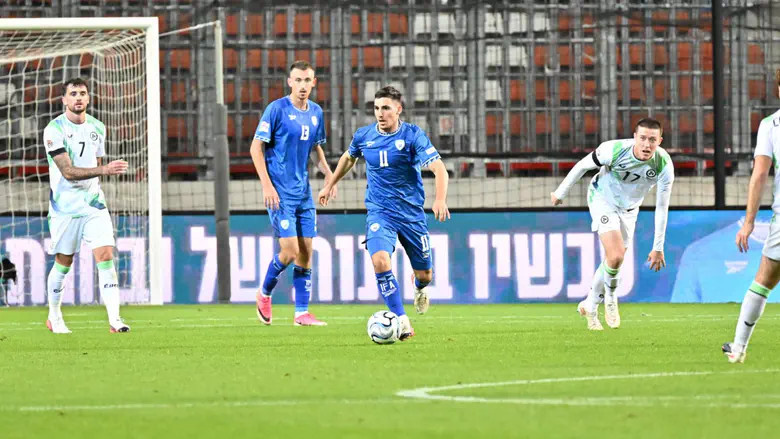
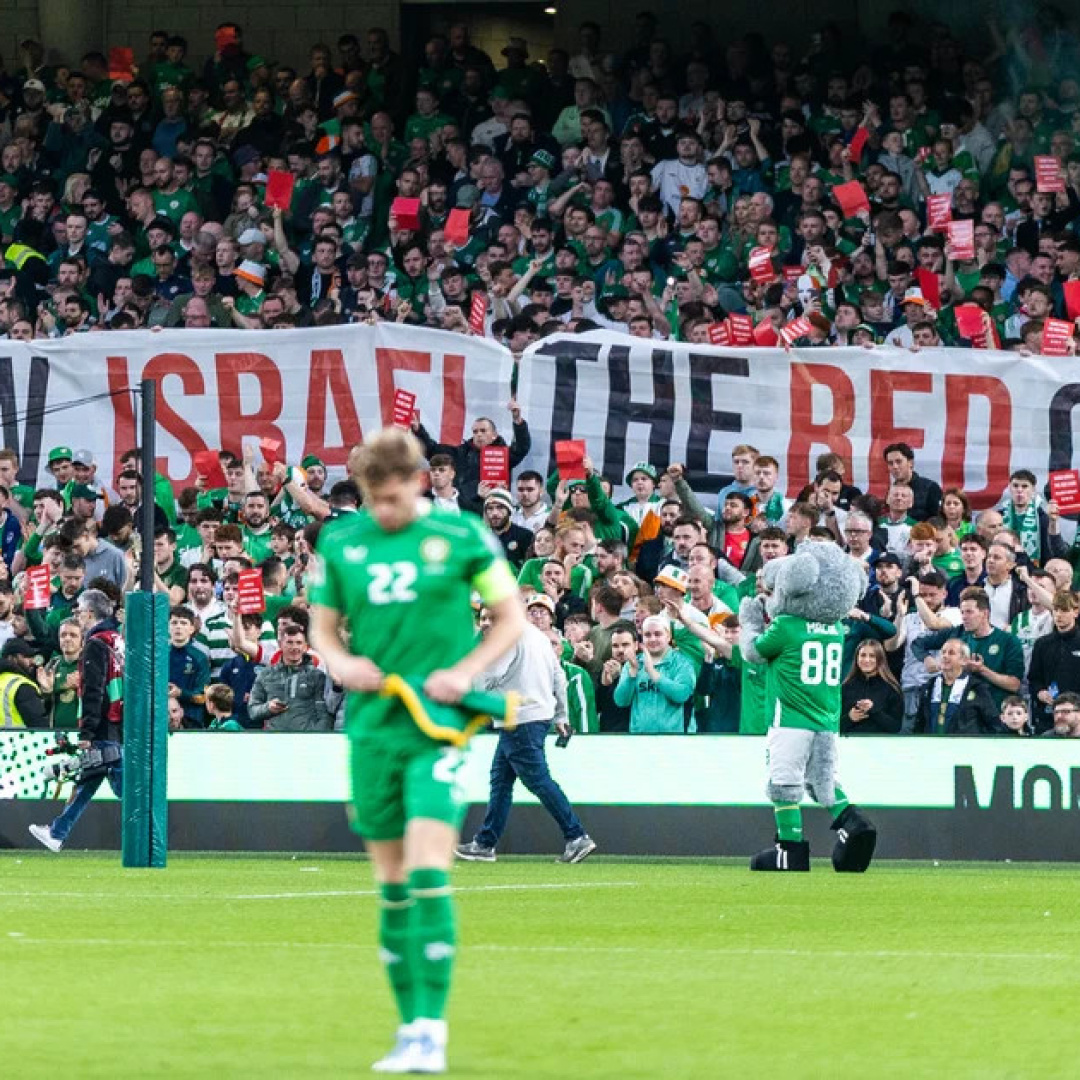
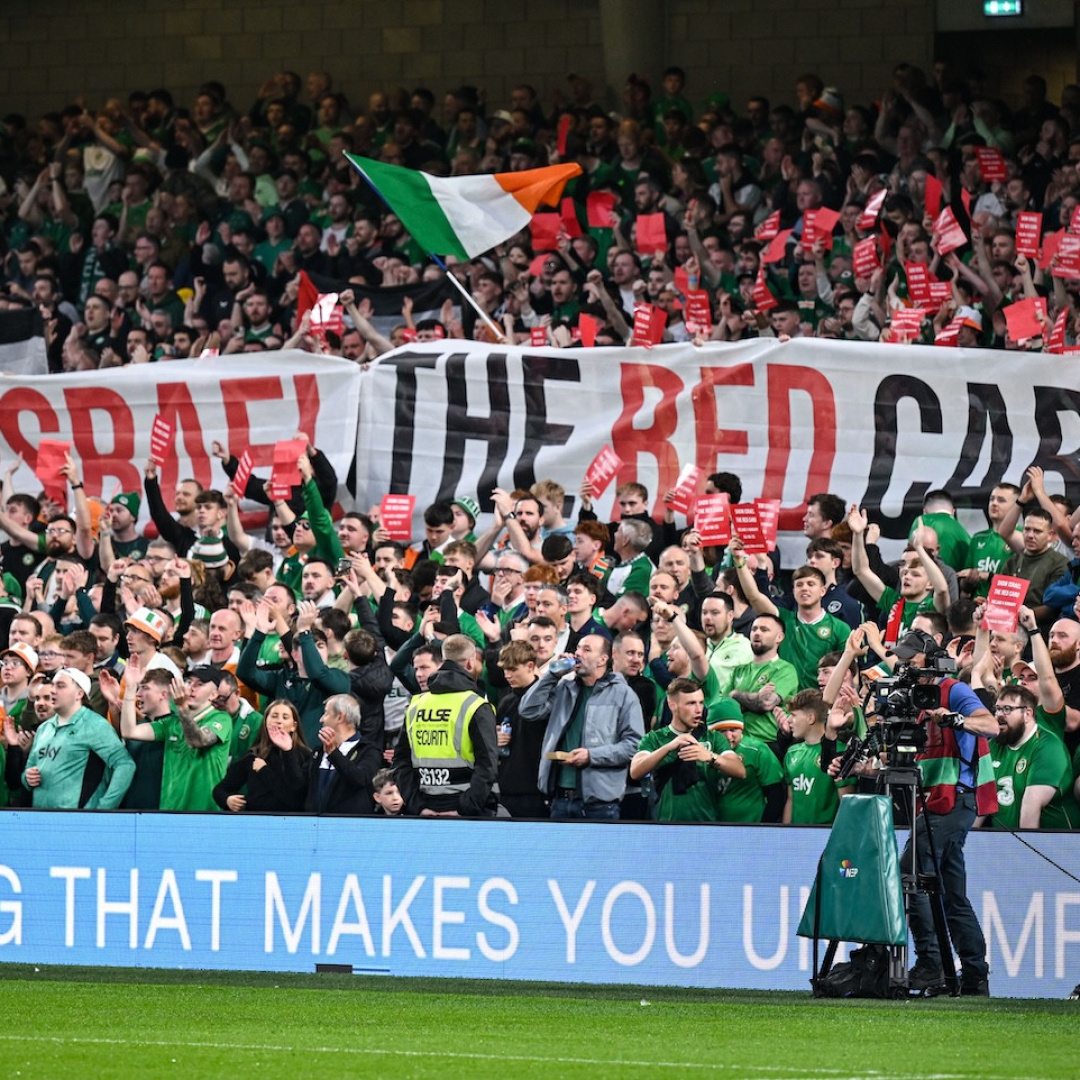
Pro-Palestinian protesters disrupted Ireland’s Nations League match against Austria on Thursday by throwing tennis balls onto the field, expressing their opposition to Ireland playing its remaining games against Israel. The incident occurred with Ireland leading 1-0 after 19 minutes, prompting the referee to halt the match for a hydration break, which resumed four minutes later.
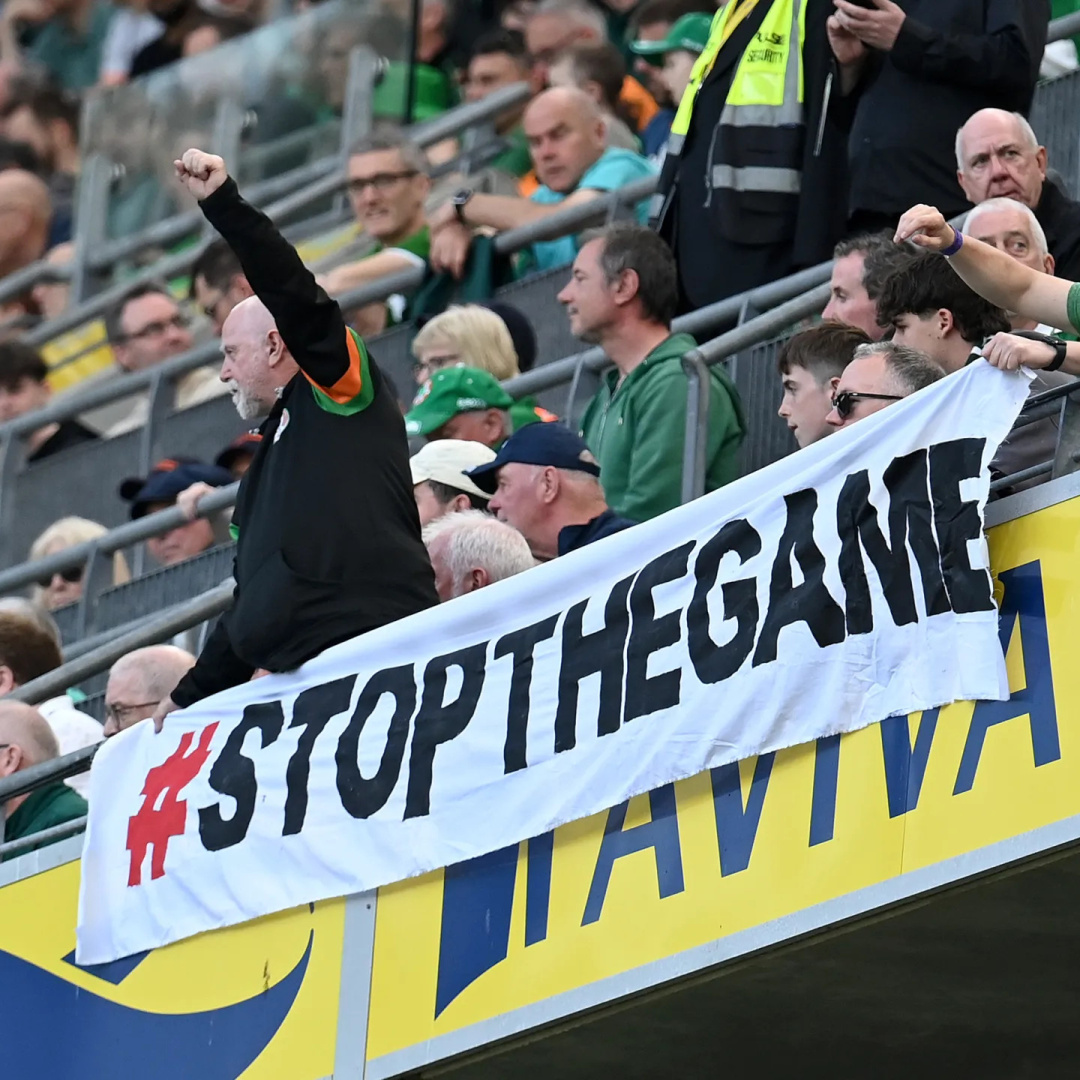
Some of the tennis balls were marked with Palestine Liberation Organization (PLO) flags, symbolizing the protesters' message. Earlier, stewards had prevented a man carrying a PLO flag from entering the field, as reported by Irish broadcaster RTÉ. Outside the stadium, demonstrators rallied against Israel’s actions in Gaza, with the “Stop the Game” campaign displaying a PLO flag and banners supporting Ireland goalkeeper Gavin Bazunu, who announced his intention to boycott both matches against Israel.
The Ireland-Palestine Solidarity Campaign organized another demonstration outside the stadium and coordinated protests across Ireland, urging the national team to withdraw from their upcoming Nations League fixture against Israel. Although this match is designated as Ireland’s home game, it will be played behind closed doors in Backa Topola, Serbia, due to previous calls for a boycott.
The Football Association of Ireland (FAI) had moved the fixture to a neutral venue in June, citing operational reasons, amid rising tensions surrounding the games. The “Stop the Game” campaign sent an open letter to the Irish players and coach Heimir Hallgrimsson, urging them not to participate in the match and calling on the Irish government and FAI to cancel it altogether.
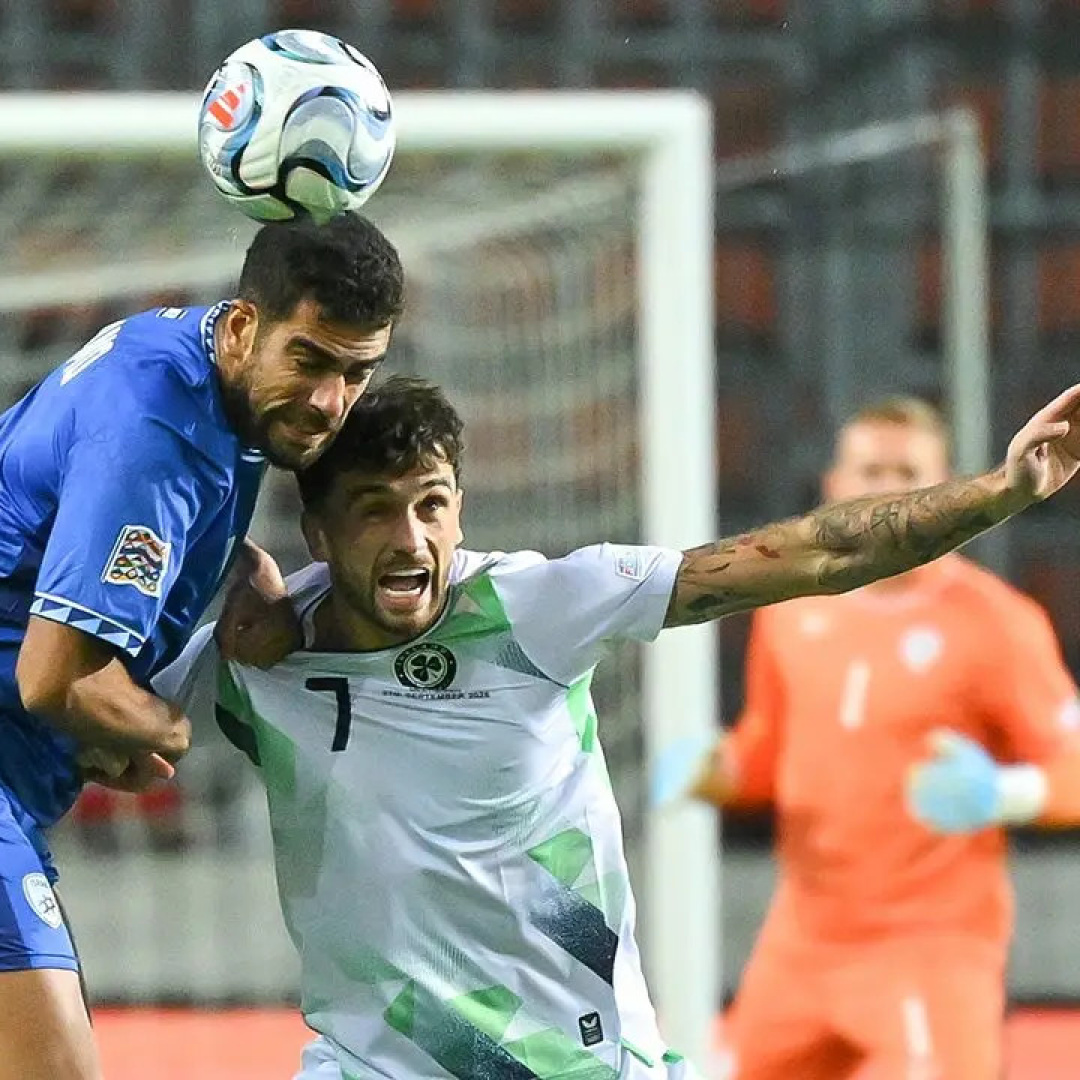
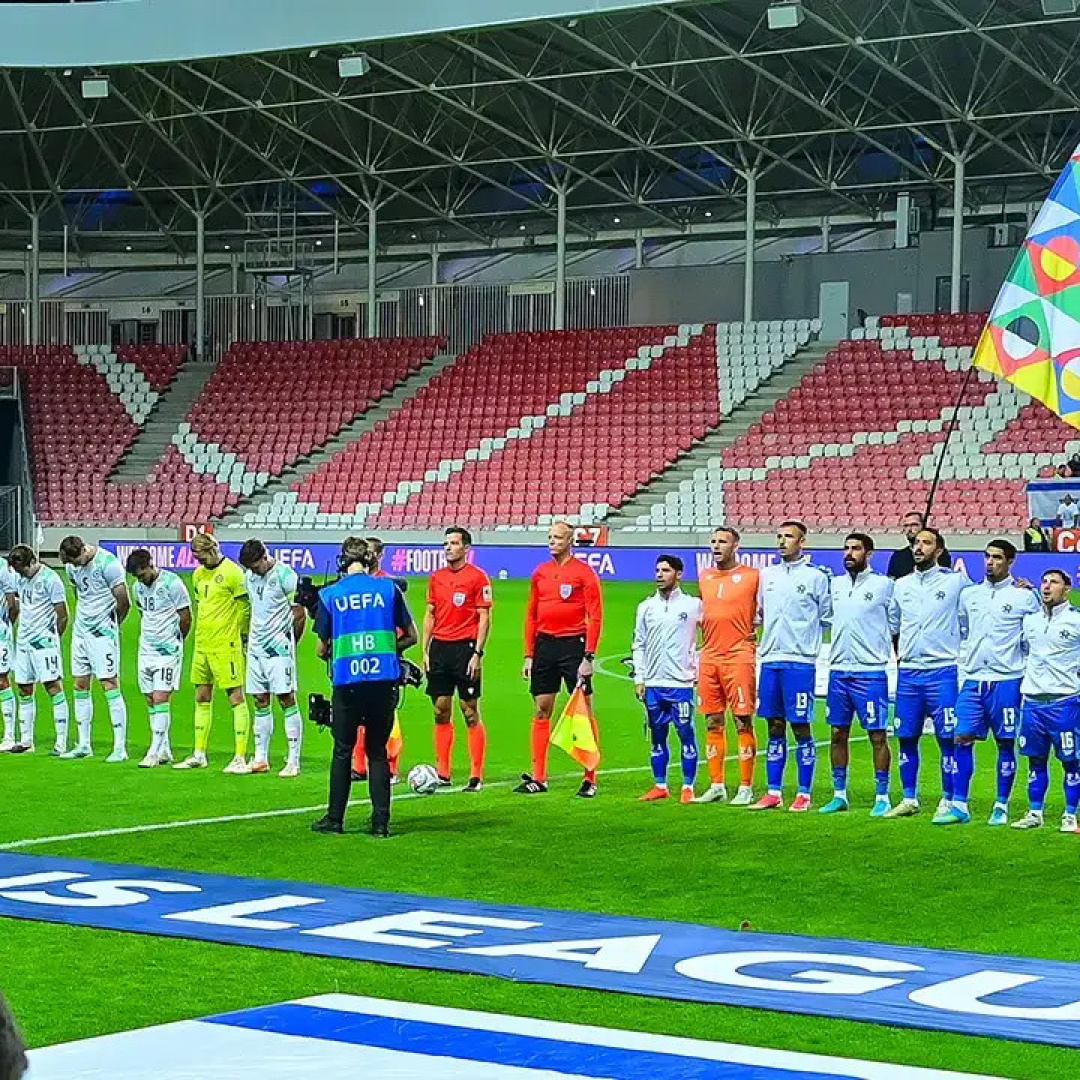
Ireland had already faced Israel in the latter’s designated home fixture in Debrecen, Hungary, winning 3-0 after scoring three first-half goals. During that match, Irish players wore black armbands and bowed their heads during Israel’s national anthem, Hatikvah. Prior to the game, the squad spent several hours deliberating whether to participate after Bazunu expressed his desire to withdraw from both fixtures. FAI chief executive David Courell stated that the players ultimately voted by a significant majority to play, with reports indicating a vote of 14-8, excluding Bazunu, who had already left the squad but later returned for the Austria match.
The FAI had previously supported efforts to have Israel suspended from international competition. In November 2025, 93% of FAI members backed lobbying UEFA for such a suspension. However, in July, members voted 75-32, with three abstentions, to proceed with the Nations League matches. The FAI estimated that refusing to play could result in €5.5 million ($6.3 million) in direct revenue losses, as well as potential forfeited matches and relegation. A forfeiture could also impact Ireland’s bid to qualify for Euro 2028, which will be jointly hosted by Ireland, England, Scotland, and Wales.
Let's Call It What It Is
These fixtures occur amid deteriorating diplomatic relations between Ireland and Israel. Ireland recognized a Palestinian state in May 2024, while Israel announced in December of that year that it would close its embassy in Dublin, citing the Irish government's extreme anti-Israel policies. Tensions had also surfaced earlier in 2024 when Israel’s Foreign Ministry criticized then-Taoiseach Simon Harris for not mentioning Israeli hostages in his first Dáil speech. Harris’s office rejected the criticism, emphasizing his condemnation of the October 7 Hamas attack and calls for the hostages’ release.
Ireland’s current president, Catherine Connolly, has faced criticism over her statements regarding Israel, including her description of Israel as a terrorist state. Her sister, Dr. Margaret Connolly, participated in the Global Sumud Flotilla to Gaza and was among those detained after Israeli forces intercepted vessels involved in the flotilla. Connolly expressed pride in her sister's actions, highlighting the personal stakes involved in this ongoing political and sporting controversy.