Allegations Against Infantino: A Whistleblower's Claims on Financial Fair Play

The whistleblower who exposed Manchester City’s serious financial breaches has made explosive claims against FIFA president Gianni Infantino, alleging that he played a crucial role in helping both Manchester City and Paris Saint-Germain avoid financial fair play sanctions. This revelation comes in the wake of Manchester City being found guilty of breaching Premier League financial rules over a nine-year period, a claim the club continues to deny vehemently.
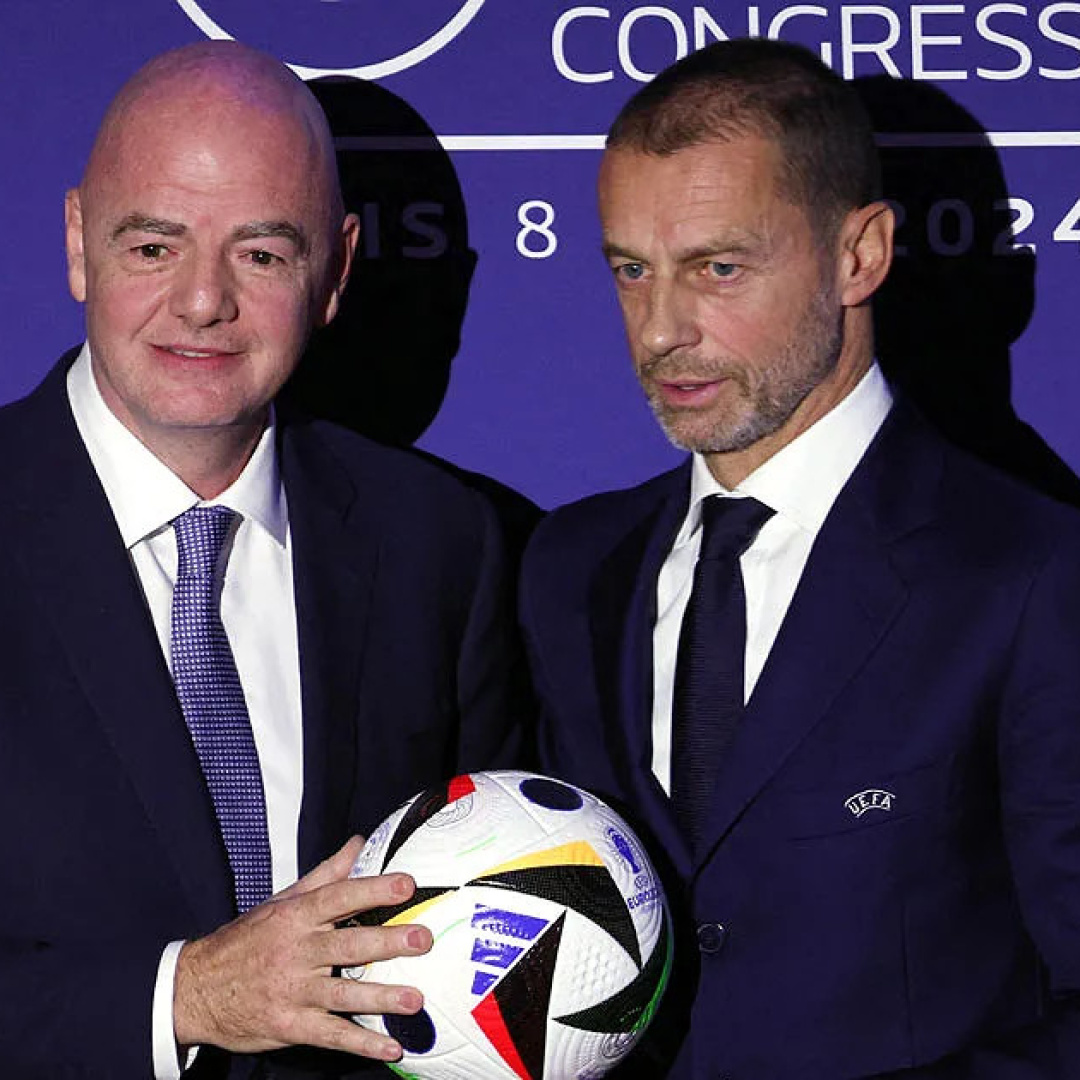
Rui Pinto, the whistleblower behind the Football Leaks website, stated that Infantino, who was then UEFA's general secretary, misused his authority to shield the clubs from more severe penalties. Pinto's allegations suggest that Infantino shared confidential documents and manipulated the investigatory process to ensure that both clubs faced only minor fines instead of deeper investigations that could have led to Champions League bans.
In his statement, Pinto described Infantino as a "cancer on football," asserting that his actions have jeopardized the integrity of the sport. He emphasized that Infantino was aware of the irregularities involving Manchester City as early as 2014 and accused him of undermining the investigatory chamber's efforts to hold the clubs accountable.
Infantino has defended his actions, claiming that his role involved facilitating discussions and providing assistance to the investigatory body. He argued that his interactions were part of his duties and were intended to protect the interests of football. However, the mounting allegations against him have intensified scrutiny of his leadership, particularly following his controversial proposal to sell stakes in the World Cup to private investors, which faced widespread backlash.
The pressure on Infantino has escalated, with UEFA accusing him of "criminal mismanagement" related to the FIFA Forward Enterprise scheme. The Swiss Football Association has also withdrawn its support for him, citing concerns over governance and transparency within FIFA. This growing dissent raises fundamental questions about Infantino's future in football governance and the potential implications for the sport's regulatory framework.
After Further Review
As these allegations unfold, they highlight a broader governance crisis within football. The integrity of financial regulations is paramount to ensuring a level playing field, and the apparent collusion between powerful figures and elite clubs undermines that principle. The revelations from Pinto's claims could lead to increased calls for reform within FIFA and UEFA, as stakeholders demand greater accountability and transparency in the management of football finances.
The fallout from these allegations could have lasting effects on the reputation of both FIFA and UEFA, as well as on the clubs involved. If proven true, Pinto's claims could lead to significant repercussions for Infantino and a reevaluation of the financial fair play regulations that govern European football. As the situation develops, the football community will be watching closely to see how these serious allegations are addressed and what steps will be taken to restore trust in the governance of the sport.