Ceferin's bold critique of Infantino's FIFA Forward plan

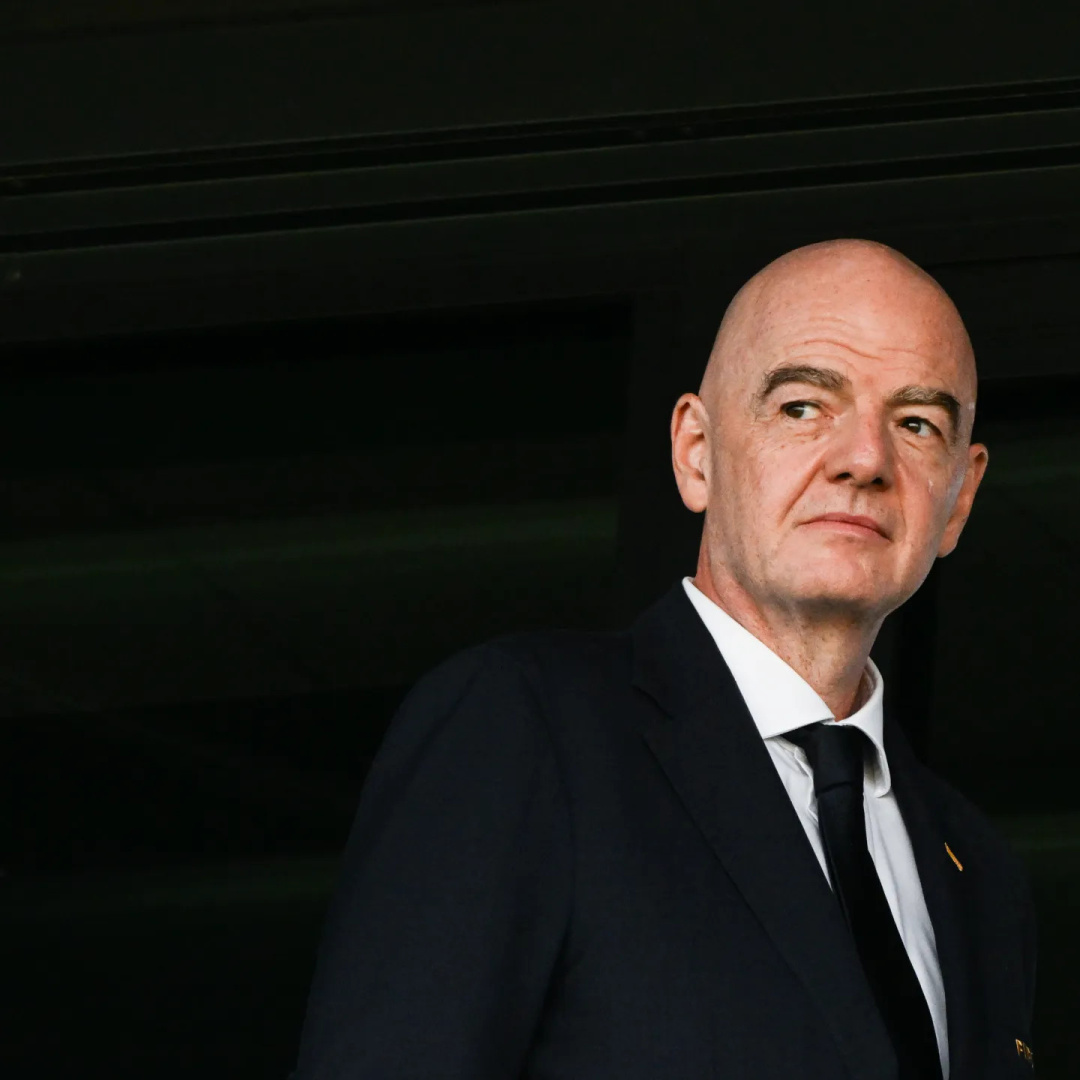
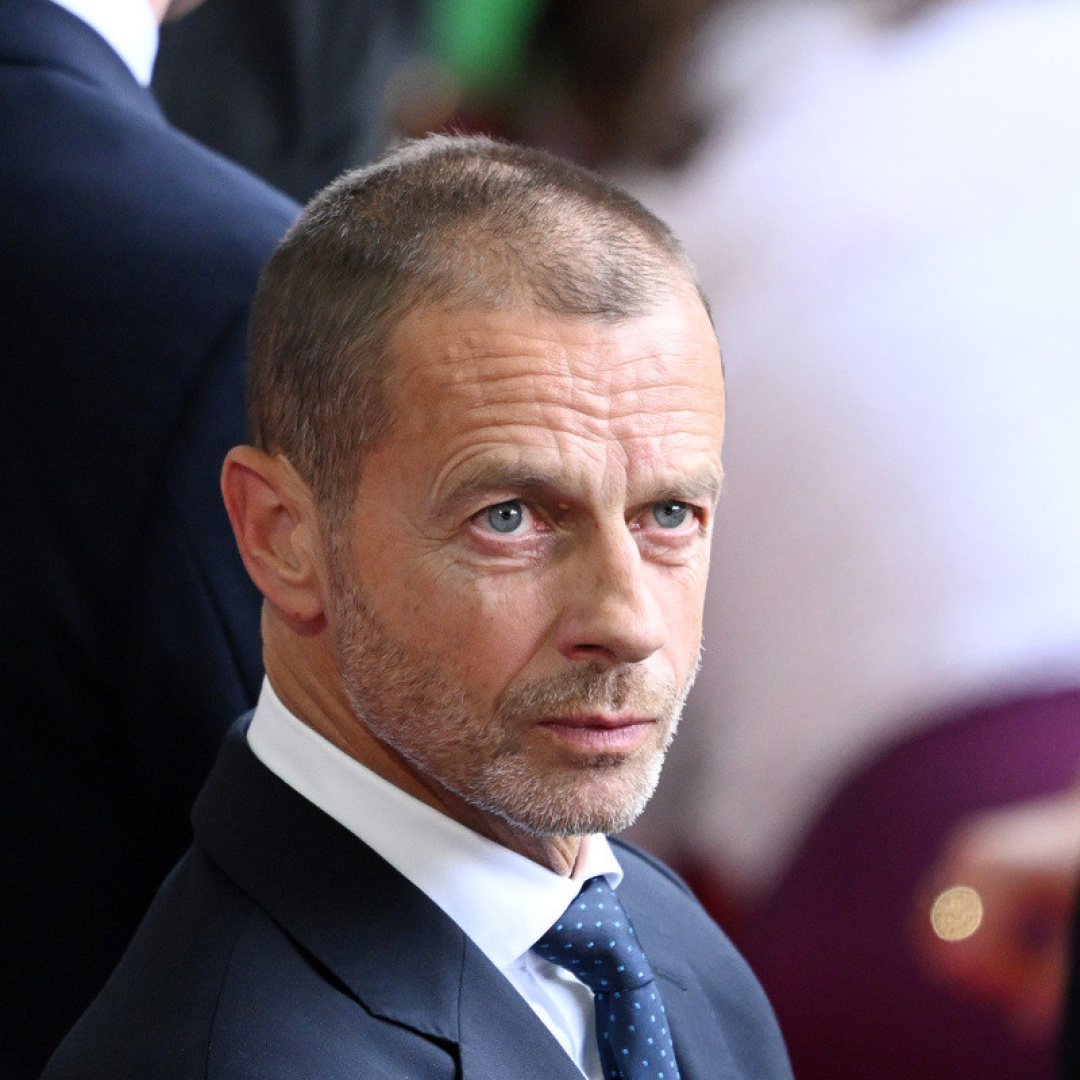
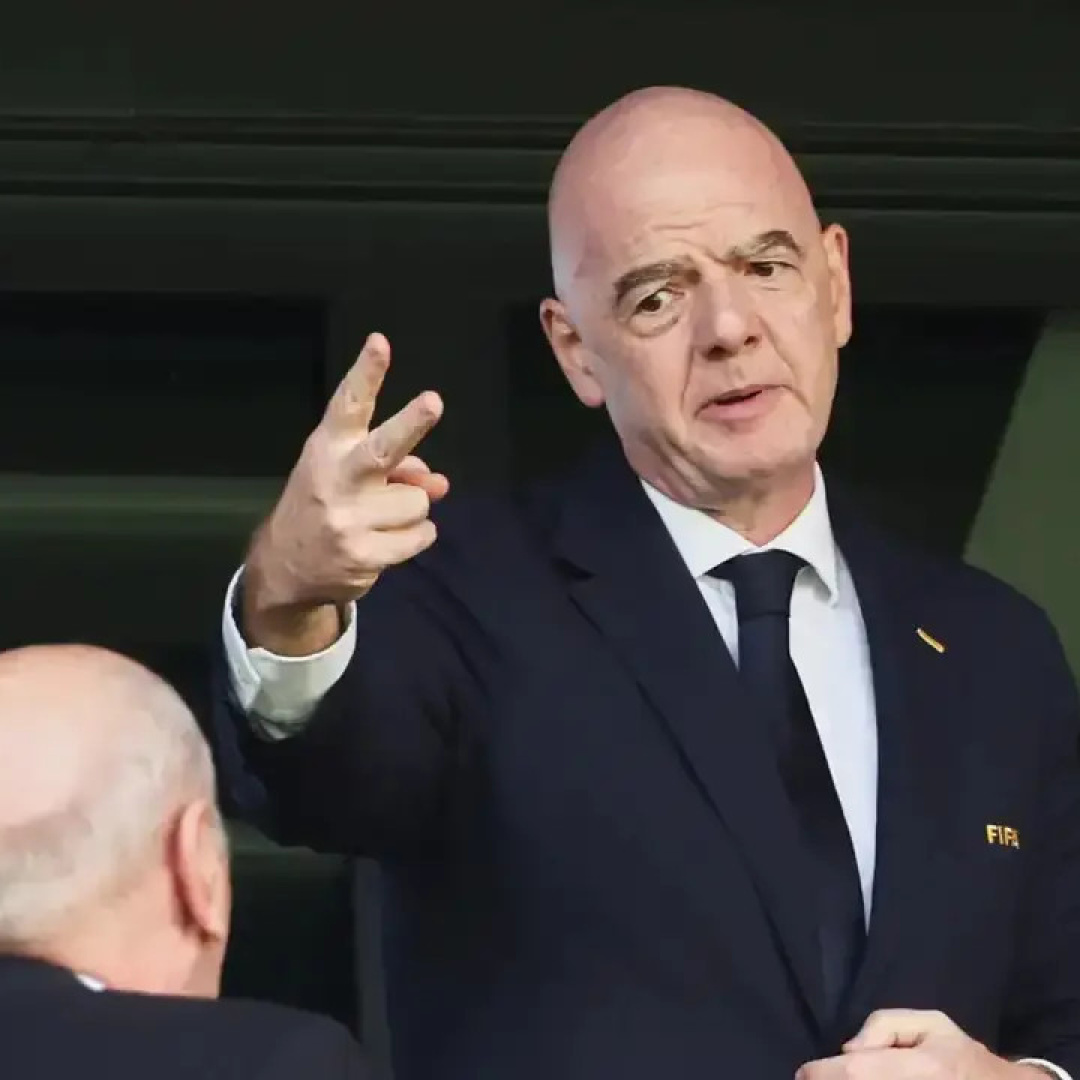
UEFA President Aleksander Ceferin has launched a blistering attack on FIFA President Gianni Infantino, likening his abandoned plan to sell a stake in the governing body's commercial rights to private investors to Hans Christian Andersen's 'The Emperor's New Clothes'. Speaking at the European Football Clubs General Assembly in Copenhagen, Ceferin stated, "the emperor is naked," emphasizing the absurdity of Infantino's proposal and the language used to defend it.
Ceferin invoked the classic tale to illustrate his point, explaining how the emperor was convinced he wore magnificent clothes that only the foolish could not see. He drew parallels to the current situation in football governance, suggesting that FIFA's rhetoric around the FIFA Forward Enterprise project was similarly misleading. "Almost 200 years ago, he wrote The Emperor's New Clothes," Ceferin remarked, highlighting the timeless nature of the story's moral.
Infantino's FIFA Forward Enterprise proposal aimed to create a FIFA-controlled commercial subsidiary that would hold rights to major competitions, including the men's and women's World Cups and the Club World Cup. The plan would have allowed private investors to acquire up to 20% of this entity, a move Infantino promoted as a means to generate more funding for football development. However, the proposal faced widespread opposition and was ultimately abandoned after failing to gain the necessary support from FIFA's 211 member associations.
Ceferin directly challenged the language used by FIFA to justify the proposal, stating, "Perhaps the moral of the story is convenient words cannot change uncomfortable realities." He criticized the notion that selling a part of football's future could be framed as development, arguing that simply labeling it as such does not make it true. "Putting a fait accompli in front of national associations does not mean democratisation, even if you call it democratisation," he asserted.
He further illustrated his point by asking club executives to consider a hypothetical scenario where a senior official secretly negotiated away control of their club's most valuable assets without informing the board, players, or supporters. "What would your board do?" he questioned, emphasizing the importance of transparency and accountability in football governance.
Ceferin's remarks reflect a growing frustration among football leaders regarding the governance of FIFA and the implications of Infantino's leadership. He concluded by urging the football community to recognize the need for change, stating, "Well, my friends, I think it's time to say enough." His comments resonate with a broader call for reform in football governance, highlighting the need for greater accountability and transparency in decision-making processes.
Here's the Real Score
Ceferin's bold critique of Infantino's approach not only underscores the tensions between UEFA and FIFA but also raises important questions about the future direction of football governance. As the sport continues to evolve, the need for clear and honest communication among governing bodies becomes increasingly critical. Ceferin's call for transparency and accountability may serve as a catalyst for change, prompting a reevaluation of how decisions are made within FIFA and the broader football community.
Ultimately, Ceferin's remarks highlight the ongoing struggle for power and influence within the world of football. As the sport grapples with issues of governance, financial transparency, and the role of private investment, the need for strong leadership and ethical decision-making has never been more apparent. Ceferin's challenge to Infantino serves as a reminder that the future of football must prioritize the interests of the game and its stakeholders over personal ambitions or financial gain.