Irish soccer team's handshake protest raises moral questions

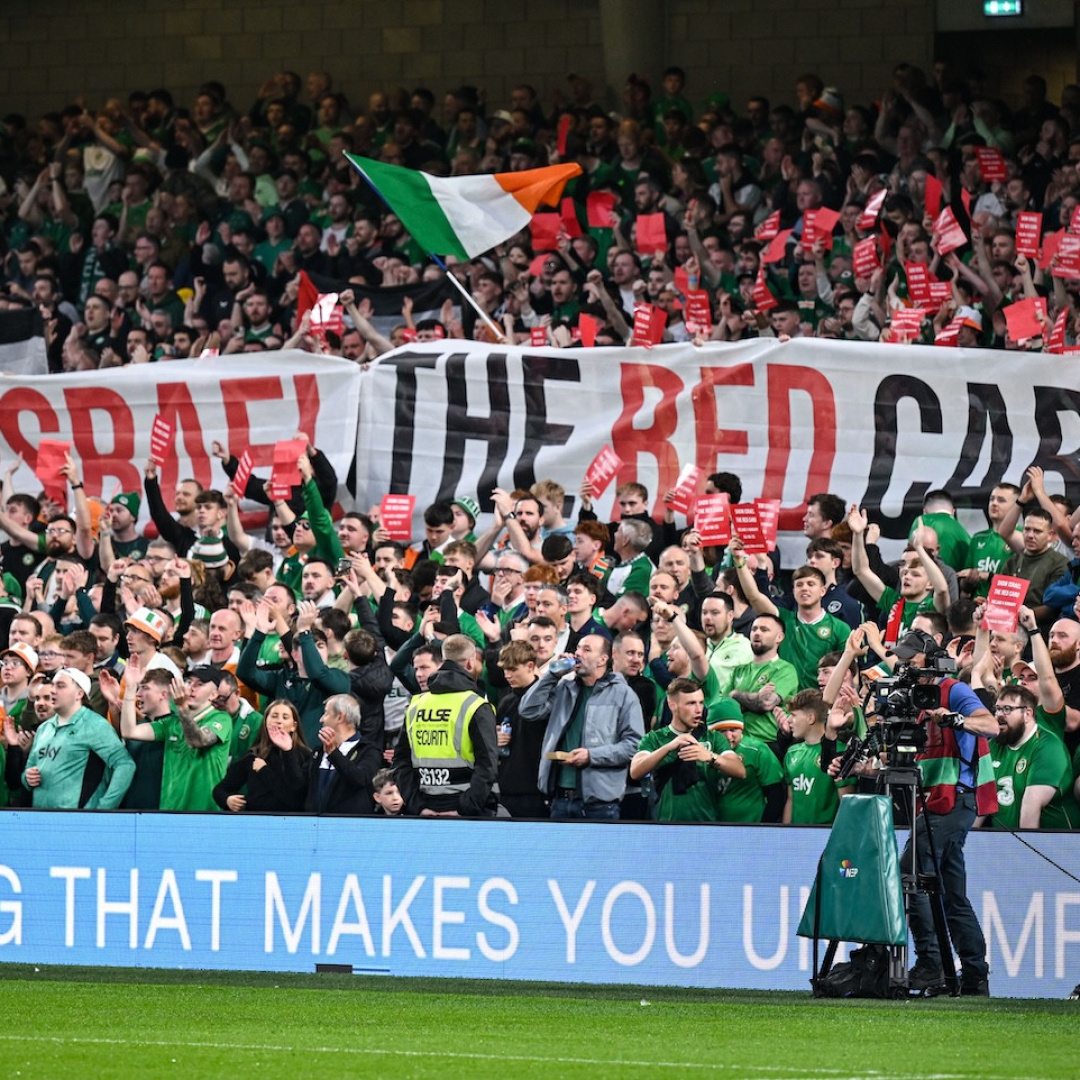
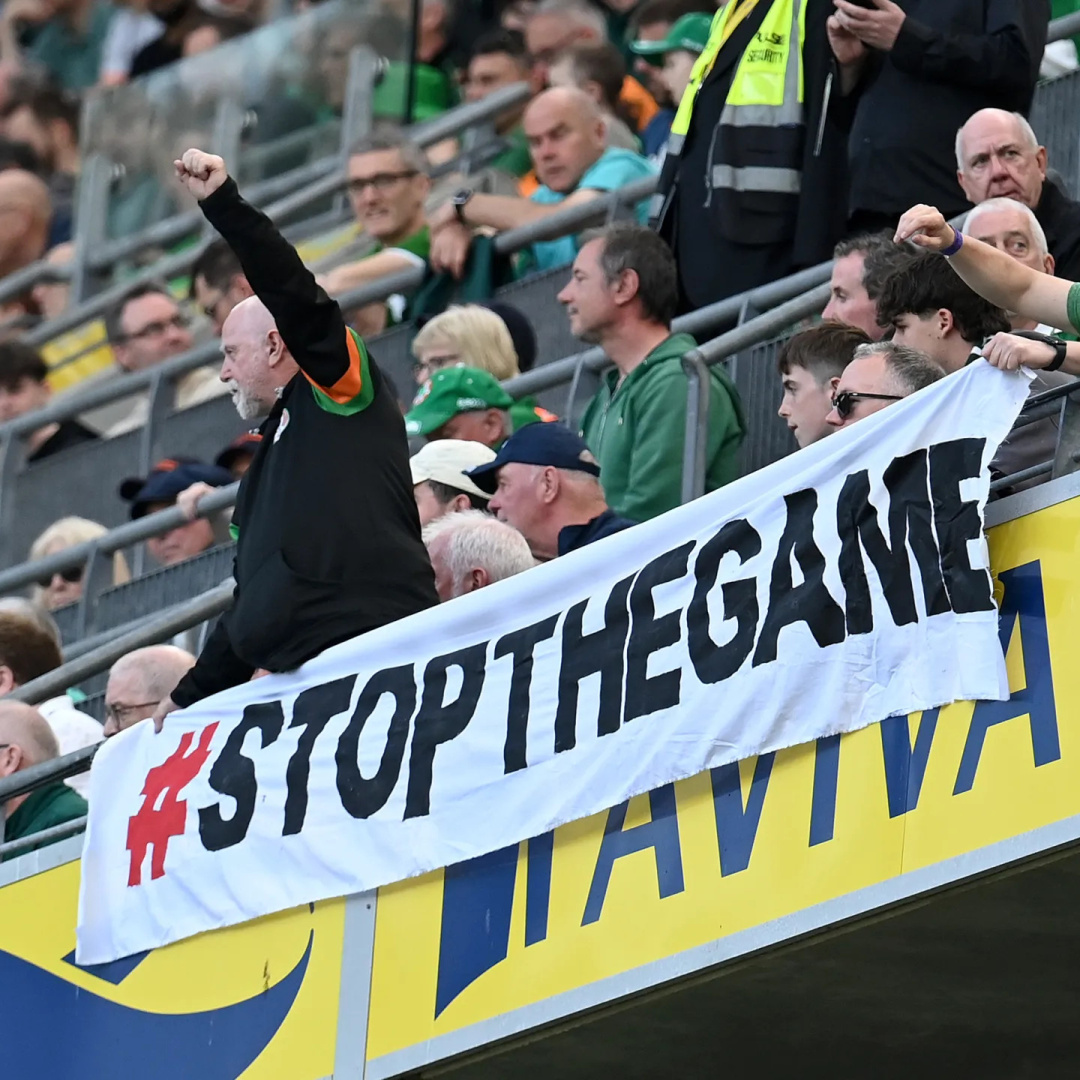
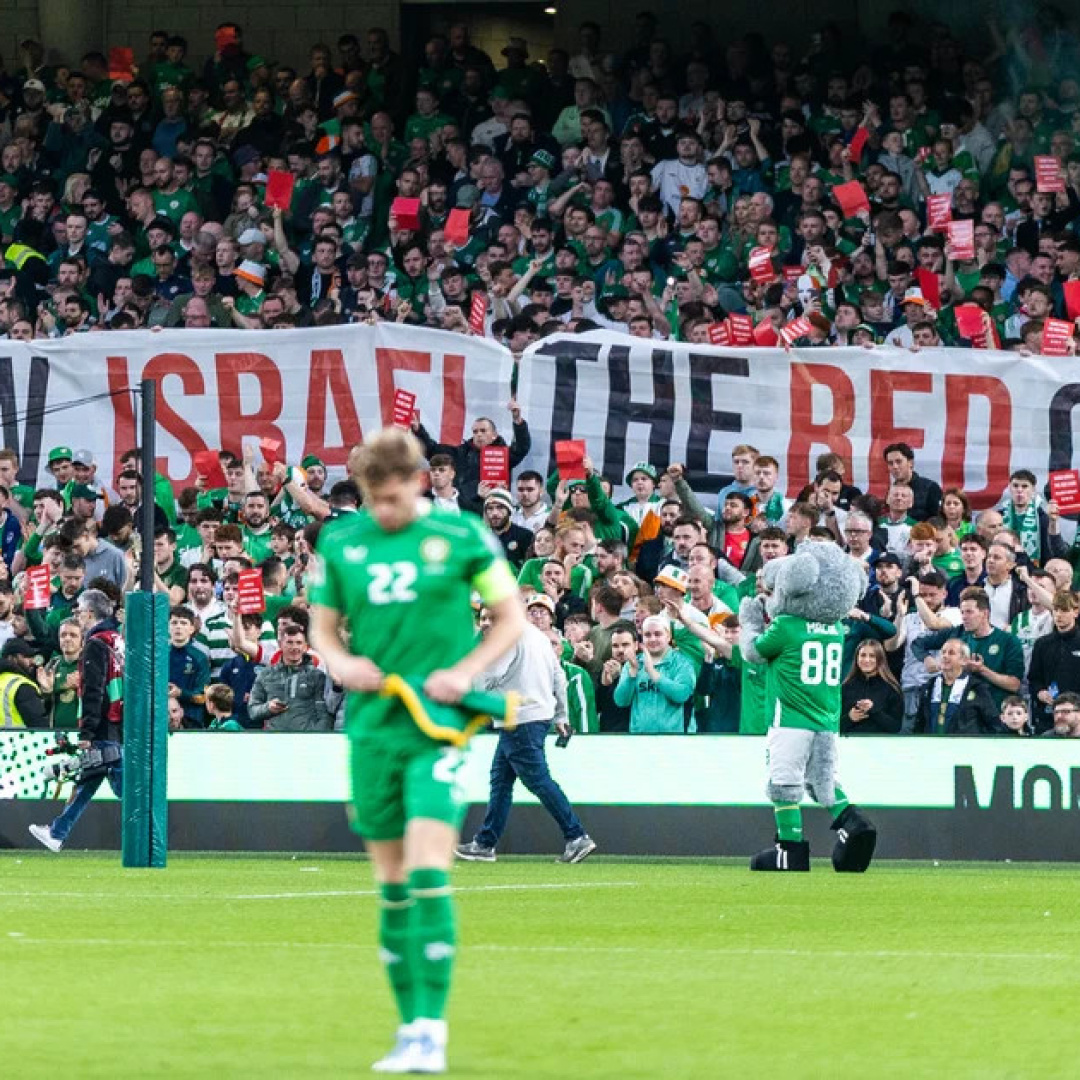
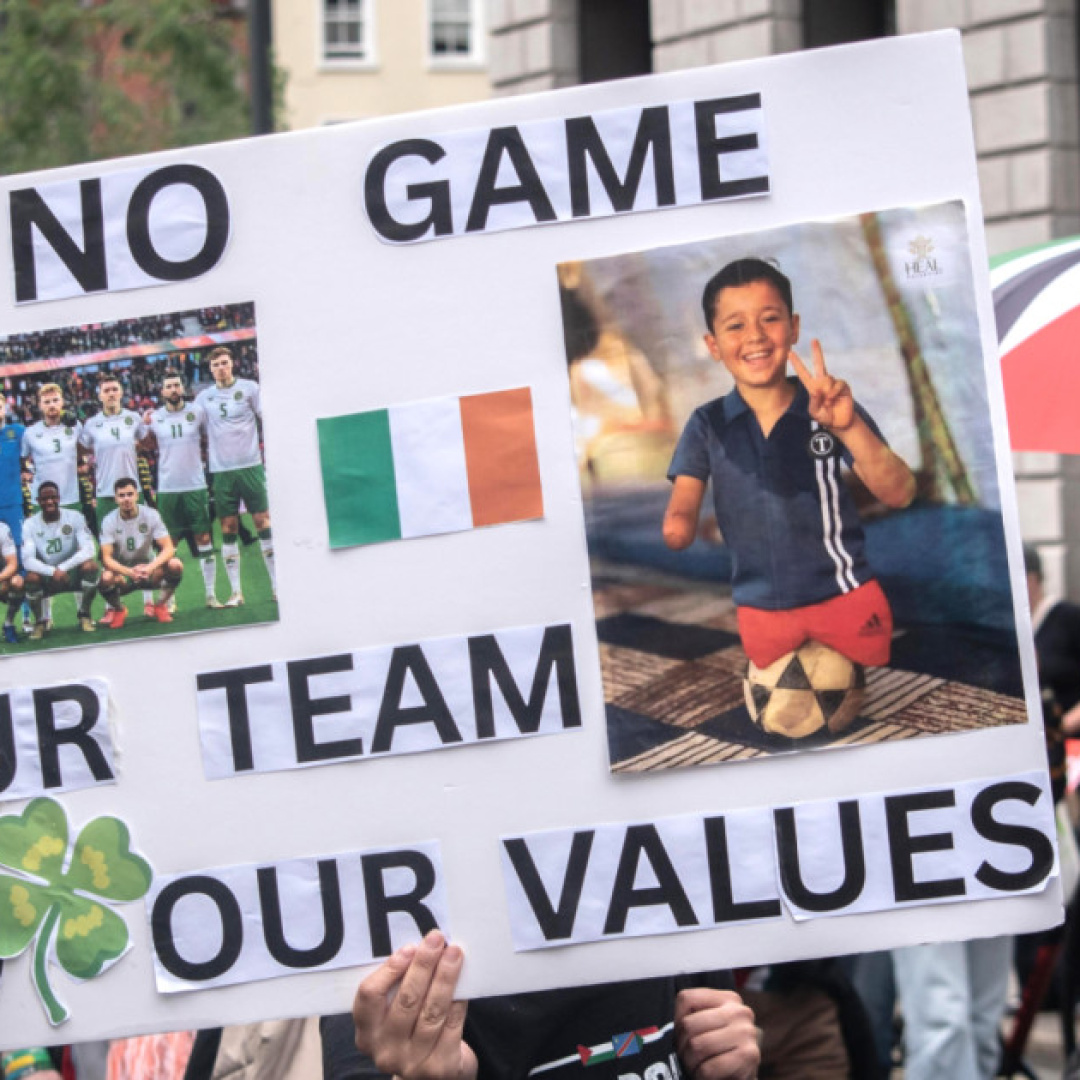
In a move that has ignited fierce debate, the Irish national soccer team opted not to shake hands with their Israeli opponents before a UEFA Nations League match in Hungary. This decision, made by players including goalkeeper Gavin Banzunu, who cited personal beliefs against the killing of innocent people, has drawn both support and criticism. The backdrop to this protest is the ongoing conflict in Gaza, particularly following the Hamas attacks on October 7, 2023, which resulted in significant loss of life in Israel.
The Irish players' actions have been interpreted by some as a statement against Israel's military response to these attacks, which has been characterized by critics as disproportionate. However, the narrative surrounding this conflict is complex, and the Irish team's stance raises important questions about the role of athletes in political discourse. While their intentions may be rooted in a desire to express solidarity with victims of violence, the implications of their actions extend beyond the pitch.
Critics argue that the players' refusal to engage with their Israeli counterparts is not only disrespectful but also misdirected. Athletes represent their countries on the field, and to shun players based on the actions of their government risks conflating politics with sport. This sentiment echoes across various historical contexts; for instance, should athletes from countries with controversial regimes be similarly ostracized? The answer is not straightforward, as it delves into the ethics of protest and the responsibilities of athletes as public figures.
The Irish team's protest has drawn comparisons to other instances where sports and politics intersect. For example, during the World Cup, teams from countries with oppressive governments have faced scrutiny, yet athletes often continue to compete without personal animosity towards their opponents. This raises the question of whether the Irish players' actions are a genuine expression of moral outrage or merely a performative gesture that ultimately undermines the spirit of sportsmanship.
As the debate continues, it is crucial to consider the broader implications of such protests. While the players may feel justified in their stance, the reality is that their actions could alienate individuals who are not responsible for their government's policies. The Israeli players, like their Irish counterparts, are athletes who have trained hard to represent their nation, and to deny them basic sportsmanship is to overlook the humanity that exists beyond political divides.
No Points for Excuses
The intersection of sports and politics is fraught with challenges, and the Irish soccer team's decision exemplifies this tension. While athletes have the right to express their beliefs, the manner in which they do so can have lasting repercussions on their sport and its community. The question remains: can sports serve as a platform for political expression without compromising the integrity of the game? As this situation unfolds, it will be essential for both players and fans to navigate these waters thoughtfully, recognizing that the world of sports is often a reflection of the complexities of society at large.
Ultimately, the Irish national soccer team's protest serves as a reminder of the delicate balance between standing up for one's beliefs and maintaining respect for fellow athletes. In a world where conflicts often overshadow the joy of sport, finding common ground may be the key to fostering understanding and compassion among nations. The players' actions, while intended to convey a message, may have inadvertently highlighted the very divisions they sought to protest against. As the dust settles, it will be interesting to see how this incident influences future interactions between athletes and the political landscapes they inhabit.