Zarubinsky's Humorous Post Sparks Outrage After Israel's Defeat

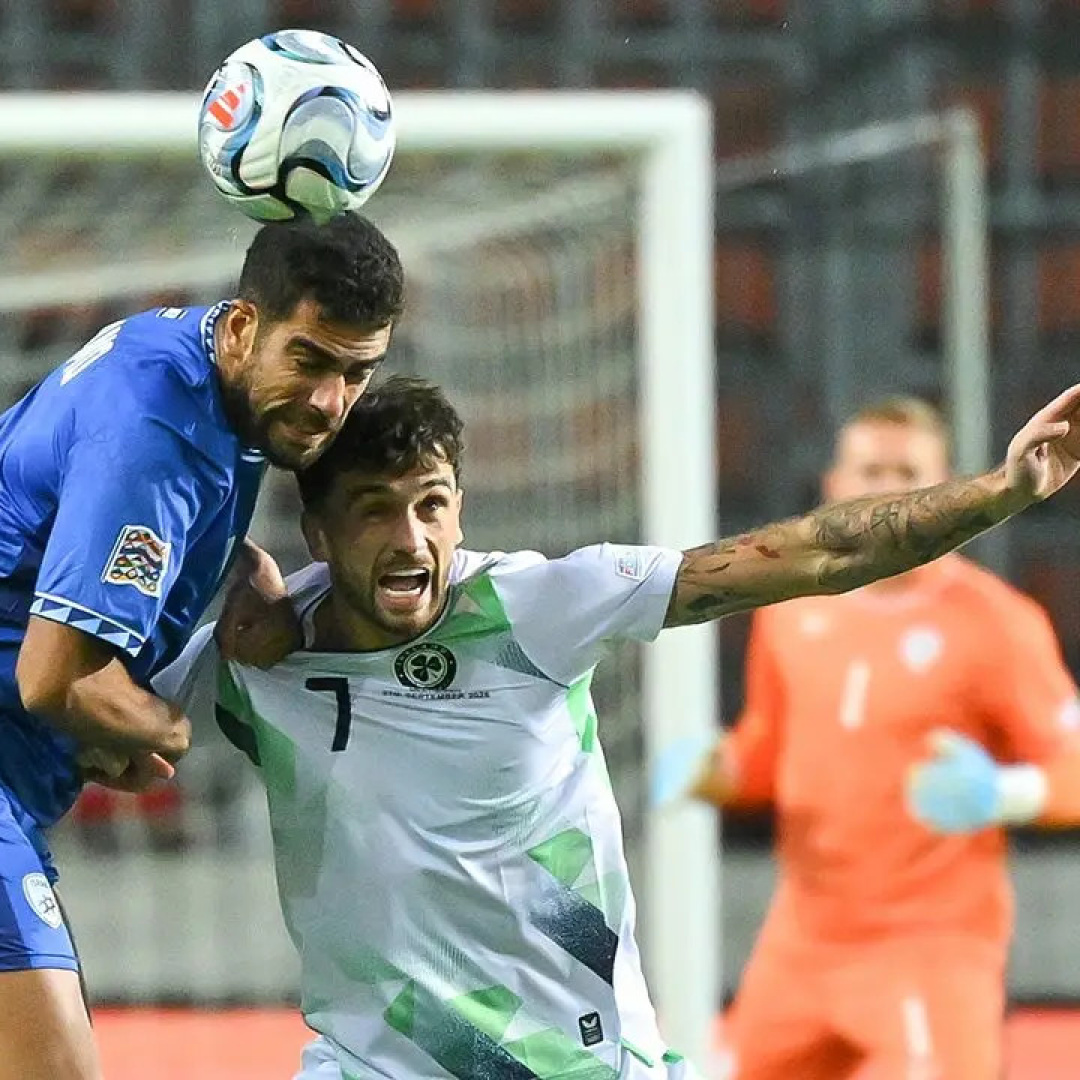
After the Israeli national soccer team's disappointing 3-0 defeat to Ireland, a humorous post by comedian Yevgeny Zarubinsky ignited an unexpected uproar online. Zarubinsky, known for his comedic takes on current events, wrote in Hebrew, "Alright, it’s time to activate the pagers we planted in Ireland." However, the post was translated into English through social media platforms, leading many users to mistakenly interpret it as a serious threat from an official Israeli figure.
The confusion was exacerbated by Zarubinsky's profile description, which humorously claims he is the head of the "HKN Division" at the "Israeli Ministry of Digital Defense," where he supposedly specializes in "strategic communications, memes, and regional confusion." This playful self-identification contributed to the perception that he held a significant governmental role, prompting alarm among users who misread his intent.
In the aftermath of the post, various responses emerged, with some users expressing outrage at what they believed was a call to action from a senior Israeli official. One user even drew parallels to past conflicts, suggesting that Zarubinsky's comments echoed sentiments from previous tensions in the region. Another user sarcastically remarked on the absurdity of an Irish government employee making similar statements about harming Israelis following a football match.
Zarubinsky, undeterred by the backlash, continued to engage with the situation humorously. He later posted, "Despite the global protest and thousands of shares (including by journalists and scientists), which include incitement against Israel, antisemitism and more - I once again call for the use of the pagers we planted throughout Ireland. We didn’t spend several years and millions of dollars on this for nothing." This response further blurred the lines between humor and serious commentary, illustrating how quickly a light-hearted joke can spiral into a significant misunderstanding.
The incident serves as a reminder of the power of social media in shaping narratives, especially in politically sensitive contexts. Zarubinsky's post, intended as a joke, highlights the potential for misinterpretation when humor intersects with serious topics like national identity and conflict. As the lines between comedy and commentary continue to blur, the reactions to Zarubinsky's post reflect broader societal tensions and the challenges of communication in the digital age.
Once the Hype Clears
This incident underscores the importance of context in social media communications, particularly when discussing topics that can evoke strong emotions. Zarubinsky's humorous intent was lost on many, leading to a cascade of reactions that reveal how easily humor can be misconstrued in today's fast-paced digital landscape. As audiences increasingly engage with content across cultural and linguistic barriers, the potential for misunderstanding grows, necessitating a more nuanced approach to online discourse.
In conclusion, while Zarubinsky's post was meant to be lighthearted, it inadvertently sparked a significant conversation about the role of humor in political discourse and the responsibilities of public figures in their communications. The incident not only highlights the challenges of navigating humor in sensitive contexts but also serves as a case study in the complexities of modern communication in the age of social media.