Ireland's 3-0 Victory Over Israel: A Match Marked by Tension and Protest

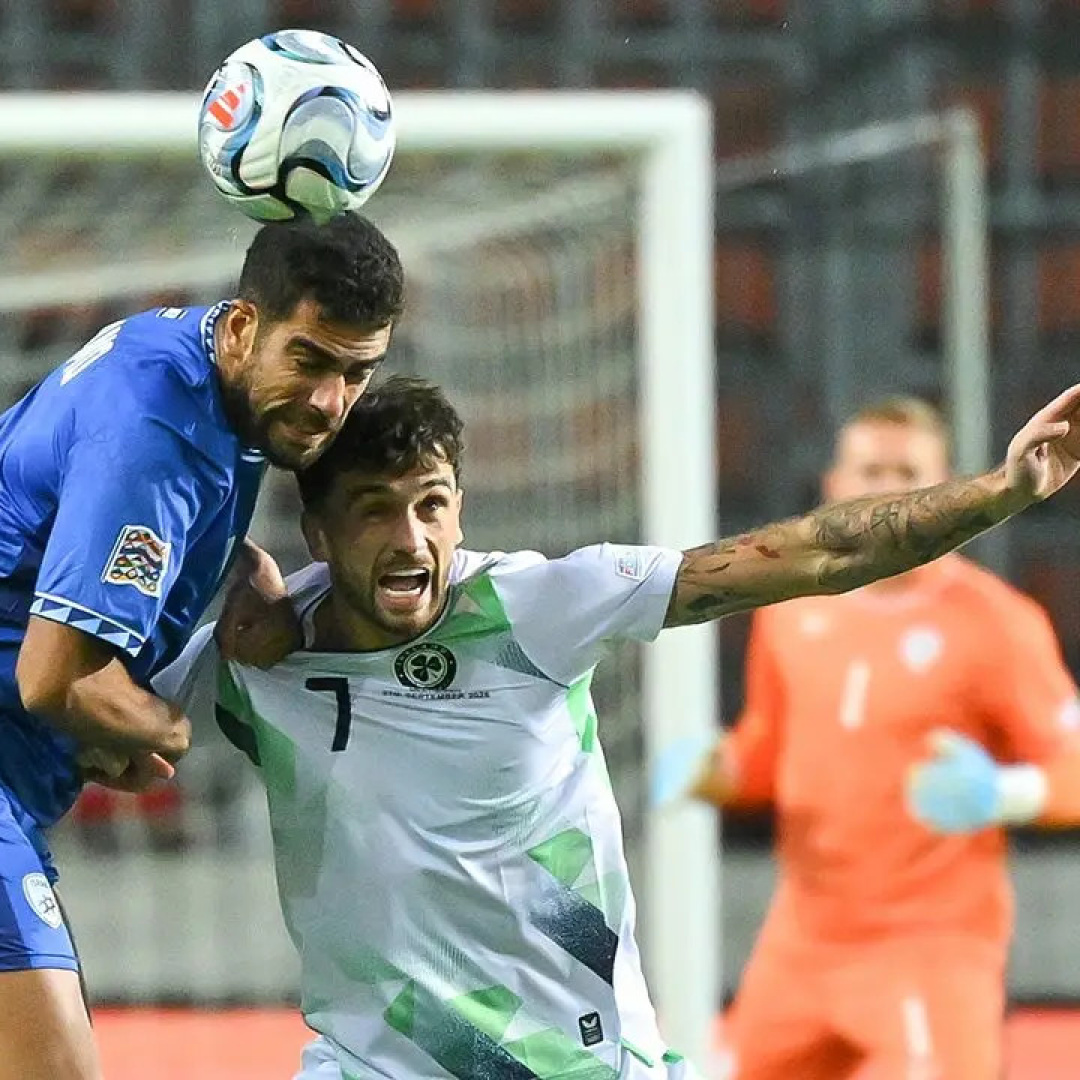
Ireland triumphed over Israel with a 3-0 victory in a UEFA Nations League match held in Debrecen, Hungary, on Sunday. The game was overshadowed by political tensions, as both teams opted not to shake hands before kickoff, and Irish players donned black armbands in a show of solidarity against violence. This match was not just a sporting event; it was a reflection of the fraught diplomatic relations between the two nations.
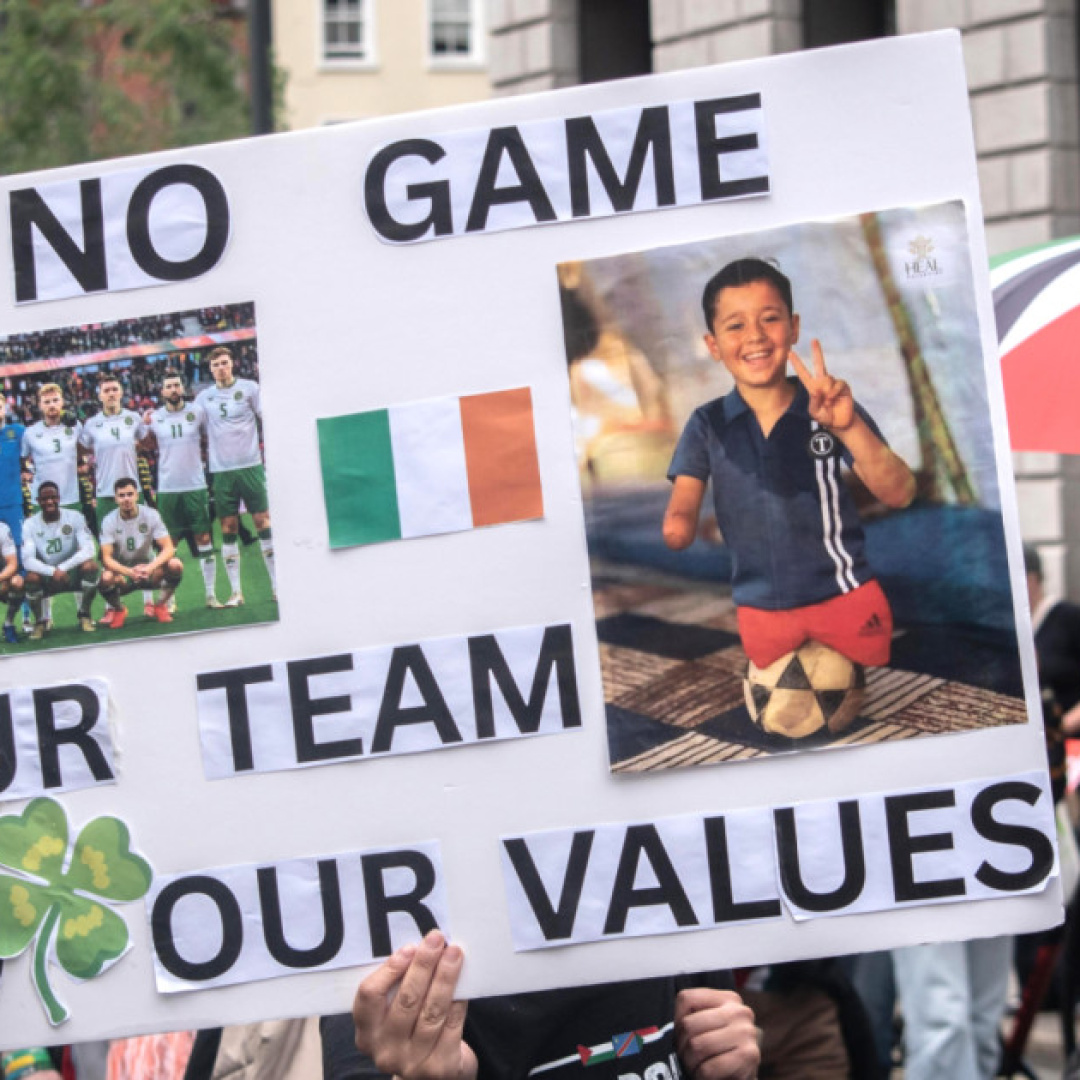
The backdrop to this match was significant, with intense opposition in Ireland urging players to boycott the fixtures against Israel. Reserve goalkeeper Gavin Bazunu withdrew from the squad, citing his personal belief against the killing of innocent people. This sentiment resonated with many in Ireland, where the political climate has been increasingly critical of Israel's actions.
During the playing of Israel's national anthem, Hatikvah, the Irish players stood with their heads bowed and hands behind their backs, a gesture that spoke volumes about their stance. Captain Dara O’Shea notably refrained from shaking hands with Israeli captain Manor Solomon, although he did acknowledge the referee and officials. Such actions were emblematic of the players' solidarity with those affected by the ongoing conflict.
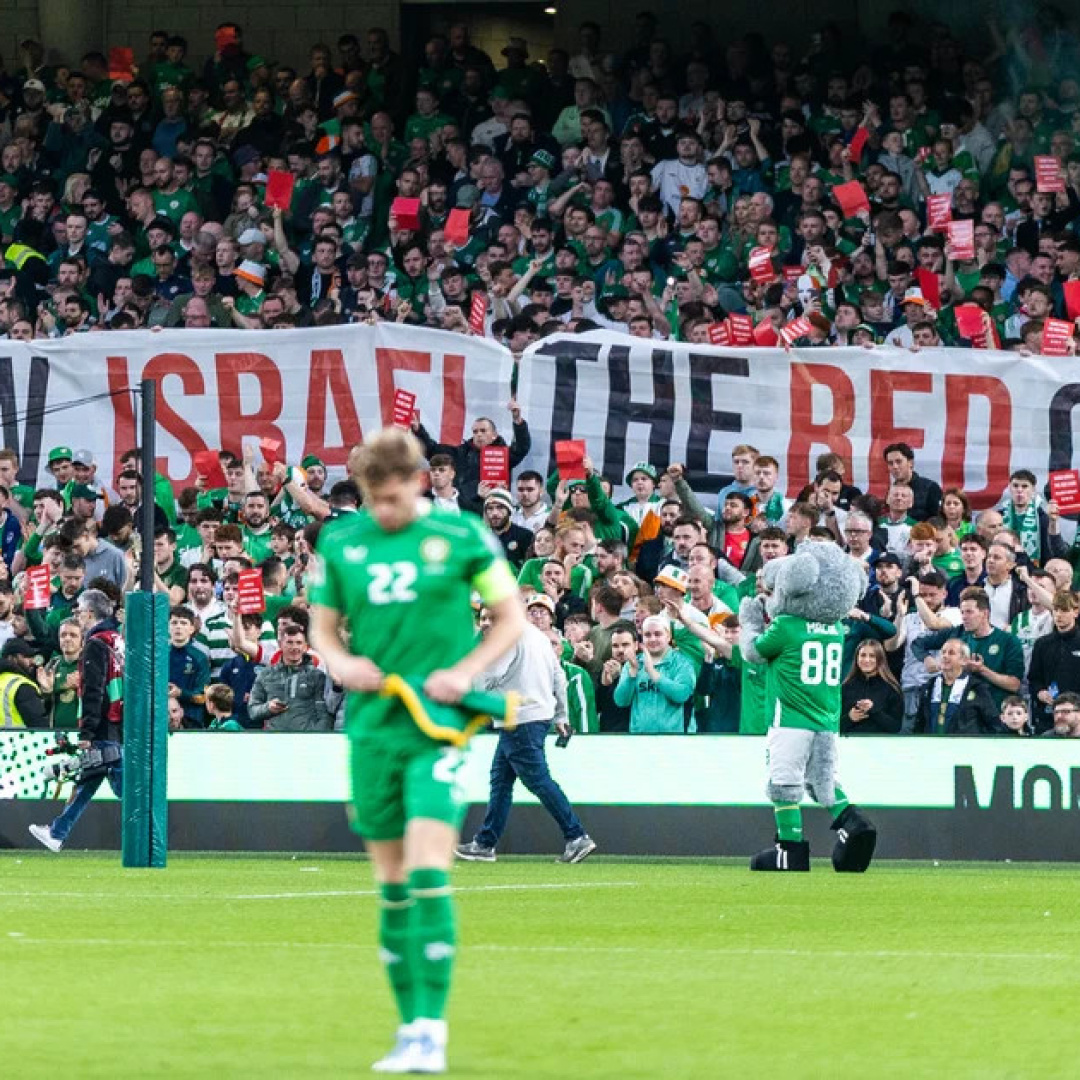
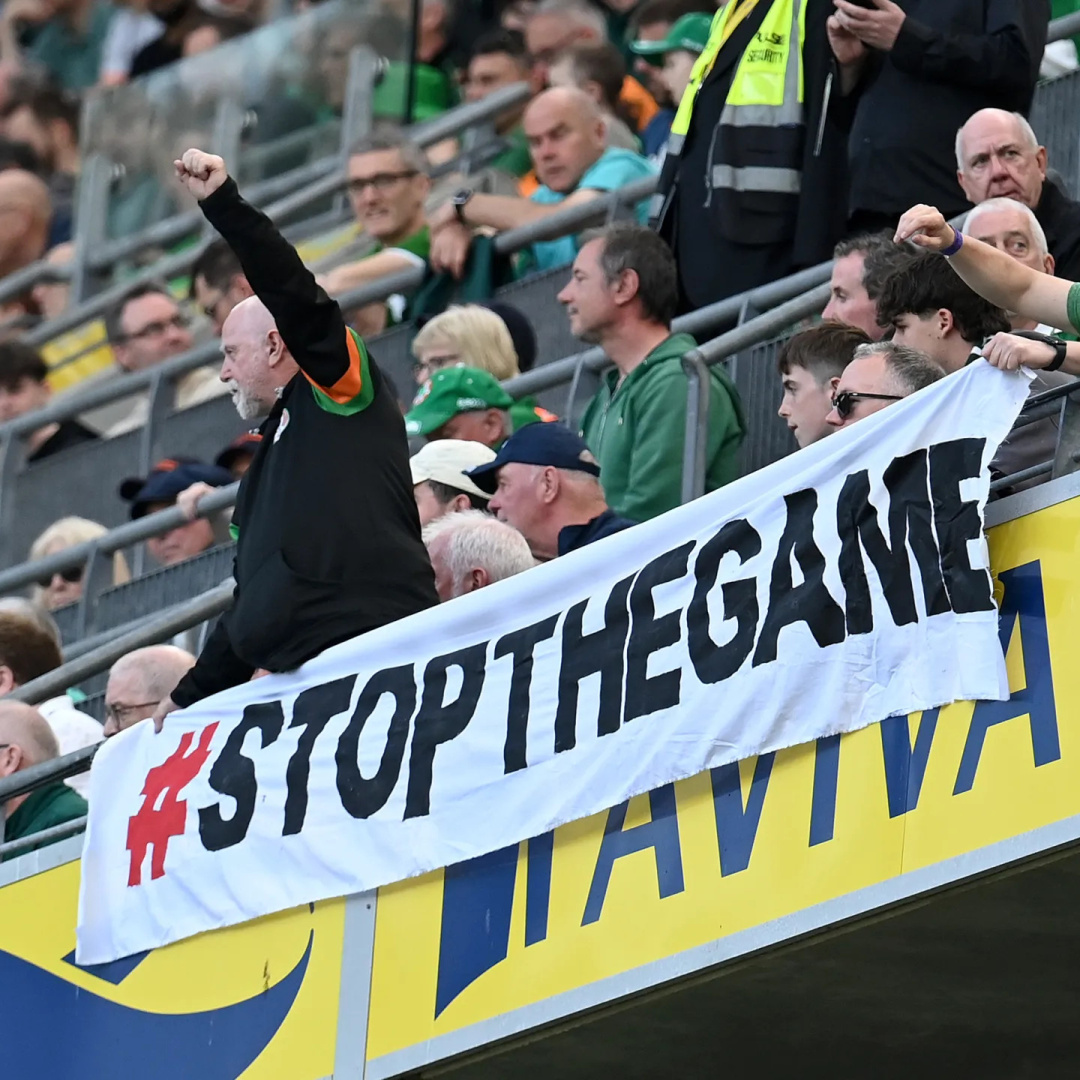
The atmosphere in the stadium was tense, with a sparse crowd present, largely due to ticket cancellations affecting Irish fans who had purchased tickets through the Israeli Football Association. This further illustrated the divide and the political ramifications surrounding the match.
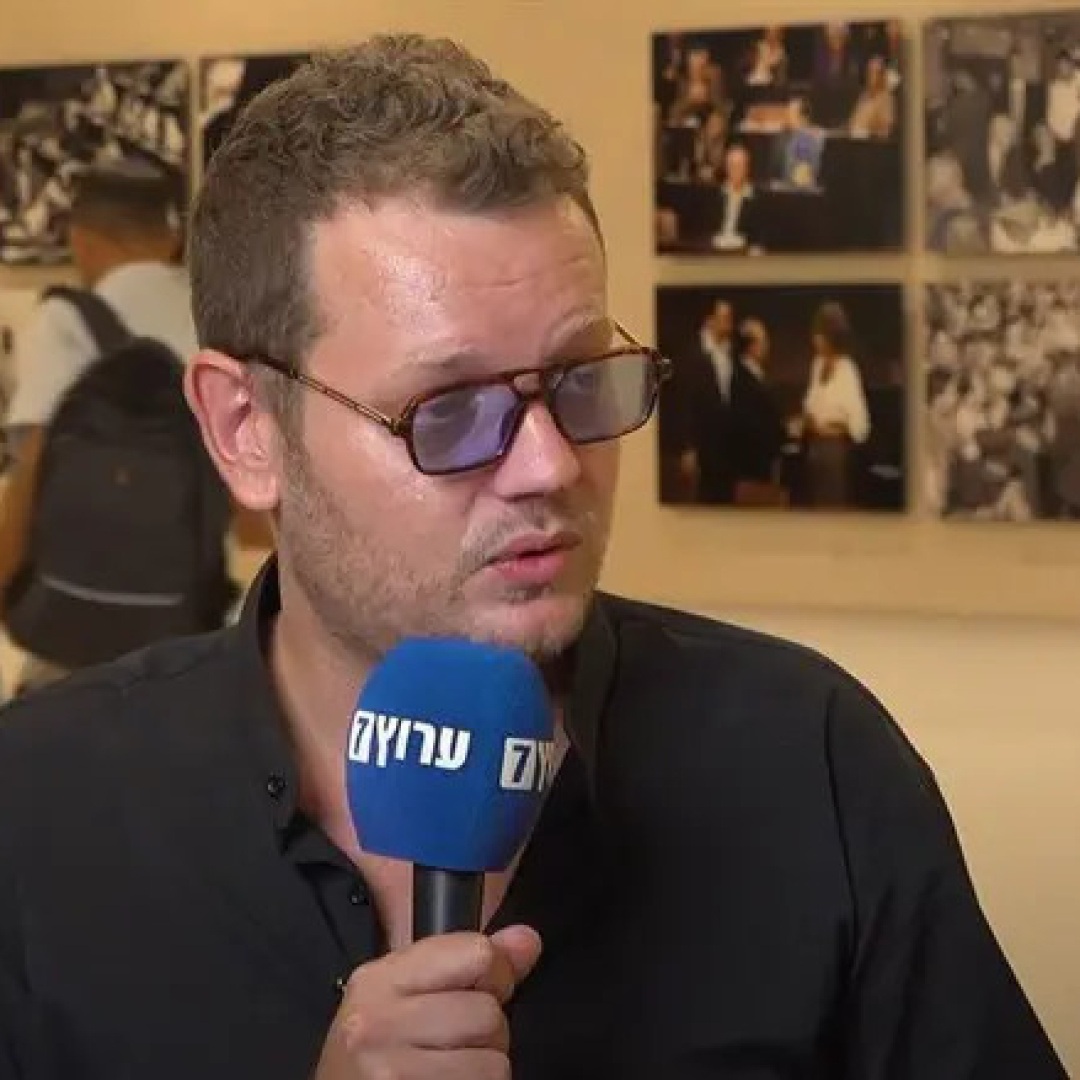
Post-match, Israeli captain Manor Solomon expressed his disappointment, stating that some Irish players made derogatory remarks during the game. He emphasized the animosity felt between the teams, indicating that the rivalry was not merely about football but deeply rooted in political sentiments. Solomon's comments reflected a broader narrative of division, as he asserted pride in his identity and nation, contrasting it with the Irish players' actions.
Israel's goalkeeper, Daniel Peretz, criticized the Irish conduct as ignorant, while acknowledging that some players seemed open to understanding the complexities of the situation. This duality highlights the challenge of navigating sports amidst political strife, where athletes often find themselves at the intersection of sport and activism.
When the Noise Dies Down
The match's significance extends beyond the scoreline, as it was played against a backdrop of deteriorating diplomatic relations. Ireland's recognition of a Palestinian state in May 2024 and Israel's subsequent closure of its embassy in Dublin underscore the growing tensions. The Football Association of Ireland had previously supported calls for Israel's suspension from international football, reflecting the contentious nature of the fixtures.
As the teams prepare for their next encounter on October 4, with Ireland designated as the home side in Backa Topola, Serbia, the stakes remain high. The ongoing political discourse surrounding these matches will undoubtedly continue to influence the narrative, as both teams navigate their identities and responsibilities on the international stage.