Ceferin warns political interference could harm UEFA trust ahead of Euro 2032

As the Italian Football Federation (FIGC) faces the prospect of being placed under special administration, UEFA President Aleksander Ceferin has raised alarms about the potential for political interference to undermine trust in UEFA and its partners ahead of the Euro 2032 tournament.
Giovanni Malagò, who was elected FIGC President in June, is now likely to be ousted by CONI, the Italian National Olympic Committee, due to a lack of formal membership required for his position. This instability has prompted Ceferin to remind stakeholders of the critical need for autonomy within football federations, stating, "Without delving into legal interpretations, I want to remind everyone that this is not the first time external interference in the Football Federation’s activities has arisen."
Ceferin emphasized that both FIFA and UEFA have consistently insisted on the independence of federations. He expressed hope that the relevant authorities would act in accordance with sports law to resolve the ongoing institutional crisis, which he believes benefits no one involved. He stated, "The independence of federations and respect for the will of their members are fundamental principles of the UEFA and FIFA Statutes, and we expect them to be upheld."
When asked about the implications of a FIGC under special administration on Italy's role as a co-host for Euro 2032, Ceferin refrained from commenting on hypothetical scenarios but stressed the importance of preserving the independence of sports institutions. He warned that any political interference could jeopardize the trust that UEFA and other partners have in Italian football, which would not be beneficial for the tournament or the sport in Italy.
Ceferin has long advocated for improvements in Italy's football infrastructure, noting that the country's facilities do not match the prestige of its footballing history. He acknowledged some progress, with 13 cities expressing interest in hosting matches for Euro 2032 and significant investments being announced. However, he cautioned that time is of the essence, stating, "The willingness shown must be translated into concrete steps as quickly as possible; that is the only thing that counts for success."
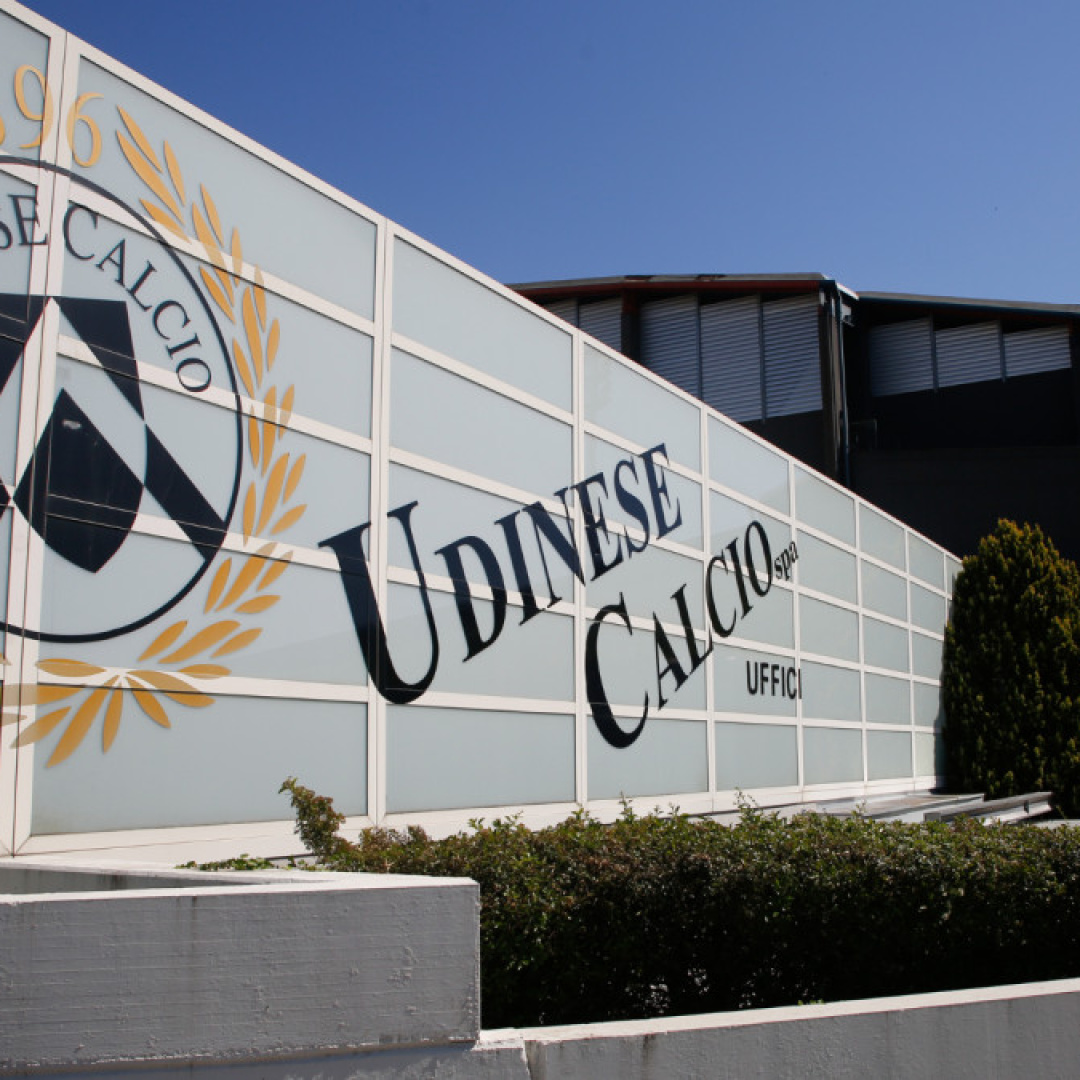
He pointed to successful models from clubs like Juventus, Atalanta, and Udinese, where taking control of stadium management has led to improved results. Ceferin believes that Euro 2032 presents an opportunity for Italy to enhance its football infrastructure through collaboration with public institutions, clubs, and local communities.
Reflecting on the leadership changes within the FIGC, Ceferin noted that while Malagò has replaced Gabriele Gravina as president, Gravina remains a UEFA vice-president. He praised Gravina's contributions to Italian football, stating that he left the federation in a better condition than he found it, despite the challenges faced during his tenure.
Ceferin concluded by reiterating the importance of unity, transparency, and governance in football, emphasizing that trust in the sport relies on these principles. He remarked, "Recently, those who swore to uphold them have trampled all three. The project that shattered the unity of world football may have been shelved, but the trust it compromised has not returned. Rebuilding it is now our common task. I am pleased that Italy and the rest of the European football family are united in defending our game. Football is not for sale.
The Final Whistle
As the situation unfolds, the implications for Euro 2032 become increasingly significant. The potential for political interference in the FIGC raises questions about Italy's ability to effectively co-host the tournament. Ceferin's insistence on maintaining the autonomy of football institutions highlights the delicate balance between governance and external influence. The outcome of this situation will not only affect the immediate future of Italian football but also set a precedent for how political dynamics can impact the sport on an international scale. The stakes are high, and the football community will be watching closely as developments unfold in the coming weeks.
In conclusion, the challenges facing the FIGC and the potential for political interference underscore the critical need for stability and independence in football governance. Ceferin's warnings serve as a reminder that the integrity of the sport relies on the ability of federations to operate free from external pressures. As Italy prepares for Euro 2032, the focus must remain on building a robust footballing infrastructure and ensuring that the principles of autonomy and trust are upheld. The future of Italian football and its role in the international arena hangs in the balance, making it imperative for all stakeholders to prioritize the sport's integrity above all else.