Ryan Kartje explores the rise and fall of USC football in 'House of Troy'

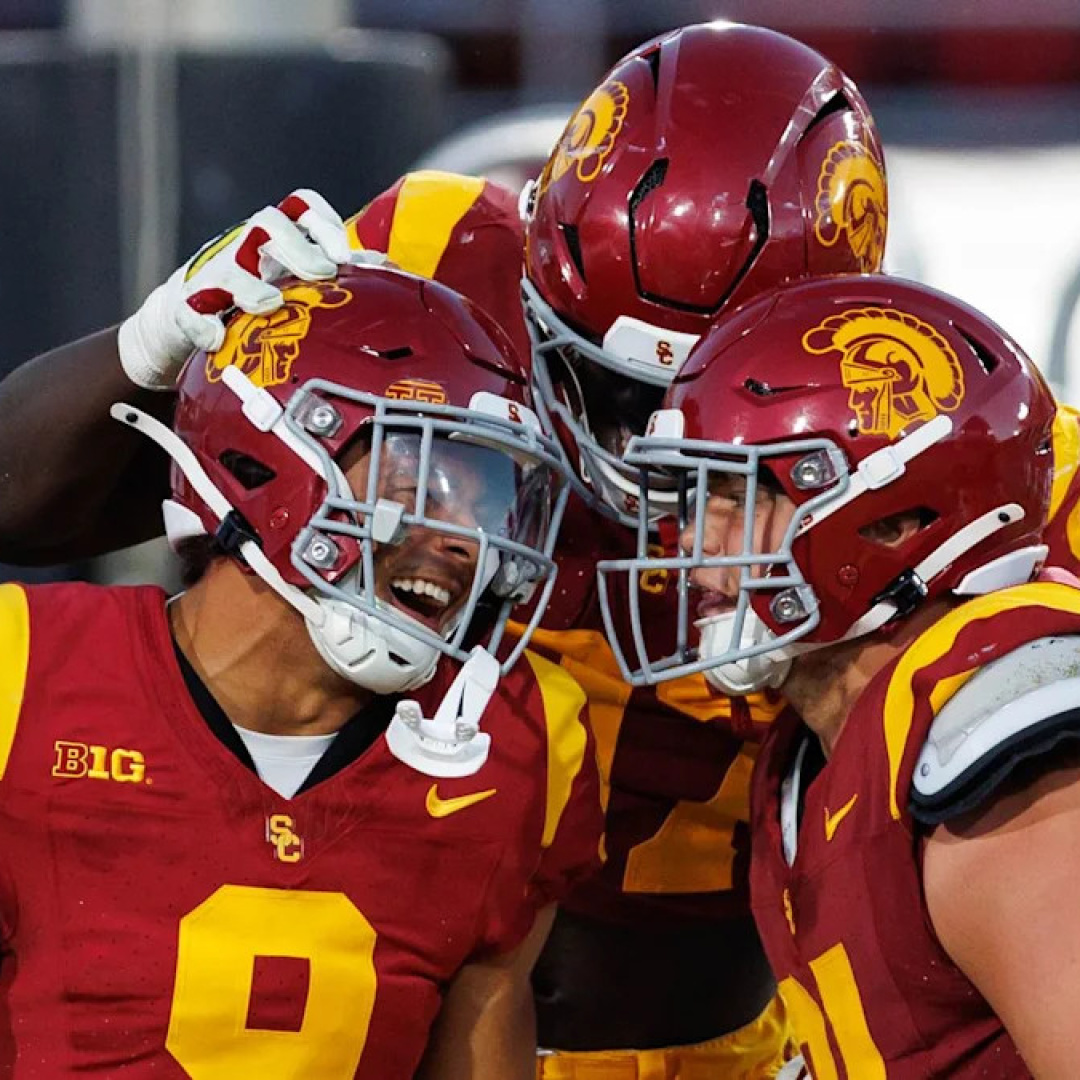
No college football team has left a mark quite like the USC Trojans did in the 2000s. Winning back-to-back national championships and nearly achieving a three-peat, they became a cultural phenomenon, attracting celebrities like Snoop Dogg and Will Ferrell. However, this golden era was marred by controversies, including the infamous Reggie Bush scandal and the Varsity Blues admissions scandal, which ultimately contributed to the program's downfall.
In the new podcast series 'House of Troy' by LA Times Studios, USC beat writer Ryan Kartje examines this dramatic rise and fall, drawing on more than 100 interviews conducted over four years. The first episode, released on September 22, 2026, sets the stage for a deep dive into the complexities behind one of college football's greatest dynasties.
Kartje's journey into the heart of USC football began in 2019, a time when the program was struggling to regain its former glory. Reflecting on his childhood memories of the Trojans' dominance, he was compelled to explore how a program that once seemed untouchable had become a punchline. He discovered that even during their peak, the seeds of discontent were sown, particularly regarding the hiring of head coach Pete Carroll, who was not the first choice for the position.
The podcast promises to be more than just a recounting of games; it delves into the palace intrigue and power struggles that characterized the program. Kartje emphasizes that the narrative is rich with behind-the-scenes drama, including conflicts between coaches and boosters, which have often been overlooked in mainstream discussions about USC's history.
One of the most compelling aspects of the podcast is its exploration of the personalities involved, including interviews with key figures like Pete Carroll, Matt Leinart, and Reggie Bush. Kartje notes that while some, like Bush, were more reticent to discuss their experiences in detail, others provided invaluable insights into the dynamics that shaped the program.
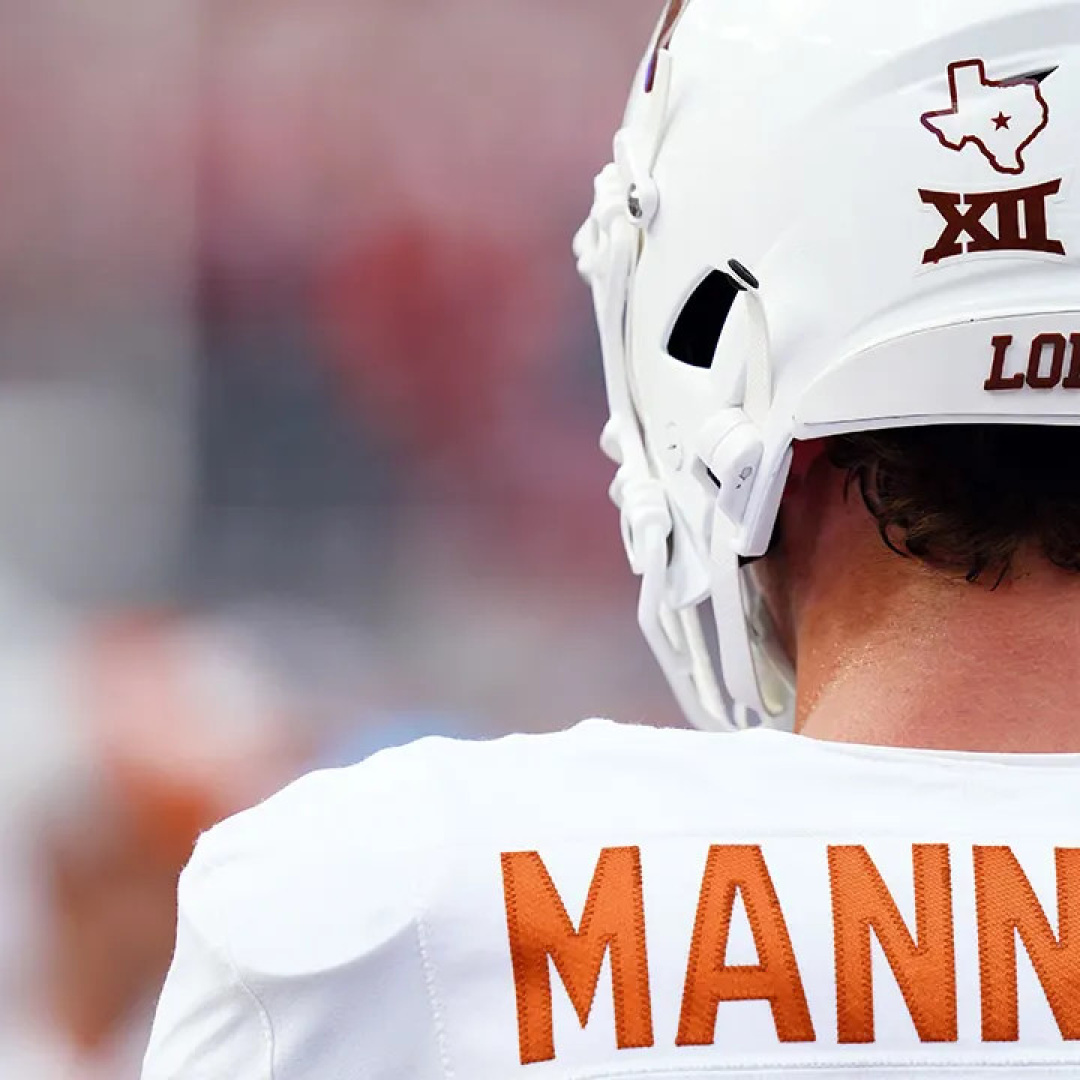
The podcast also revisits the iconic 2006 national championship game against Texas, where a series of pivotal moments led to USC's defeat. Kartje highlights how small details, such as a controversial call regarding Vince Young's knee, could have altered the outcome, underscoring the thin margins that define success in college football.
As Kartje reflects on the reasons for USC's decline, he points to what he terms 'institutional hubris.' This mindset, characterized by a belief that past successes would naturally continue, ultimately led to a series of poor decisions that compounded the program's challenges. While NCAA sanctions played a significant role in the decline, Kartje argues that the decisions made by the athletic department exacerbated the situation, creating a domino effect that the program has yet to recover from.
The legacy of the USC Trojans is a complex tapestry woven with triumphs and failures. Many former players still grapple with the emotional weight of not completing the three-peat, with LenDale White expressing that he replays critical moments from that era in his mind daily. Lane Kiffin, who was part of the coaching staff during the decline, recognized early on that the program's glory days were unlikely to be replicated.
No Points for Excuses
As the podcast unfolds, listeners are invited to explore not just the football stories but the broader implications of what happened at USC. Kartje's work serves as a reminder of the fragility of success in college sports and the importance of adapting to changing circumstances. The 'House of Troy' podcast is poised to shed light on a pivotal chapter in college football history, offering insights that resonate beyond the gridiron.
The final verdict on USC's legacy remains to be seen, but one thing is clear: the lessons learned from their rise and fall are as relevant today as ever. As Kartje continues to unpack this narrative, fans and analysts alike will gain a deeper understanding of what it means to build—and sustain—a football dynasty.