U.S. Men's National Team: A Blend of Veterans and Young Talent for 2030

The U.S. men’s national soccer team is entering a pivotal phase as they prepare for the 2030 World Cup cycle, and the current roster reflects a thoughtful blend of seasoned veterans and emerging young talent. Coach Mauricio Pochettino has assembled a squad that not only includes players with World Cup experience but also integrates a fresh crop of uncapped prospects, setting the stage for a promising future.
The previous World Cup cycle saw the U.S. team, often referred to as the "Golden Generation," struggle to meet expectations, culminating in a round of 16 exit in 2026. The team featured a mix of players in their prime, yet they faltered against Belgium, raising questions about their readiness and cohesion. This failure has been attributed to various factors, including the pressure of expectations and a lack of experienced leadership on the field.
Historically, the U.S. has faced challenges in player development, particularly among those born between 1990 and 1996, leading to a gap in experience when the team failed to qualify for the 2018 World Cup. The absence of a strong veteran presence during that period left younger players like Christian Pulisic, Tyler Adams, and Weston McKennie to navigate international competition without the guidance of seasoned teammates. This lack of mentorship was evident as the team transitioned from the likes of Tim Howard and Clint Dempsey to a younger core.
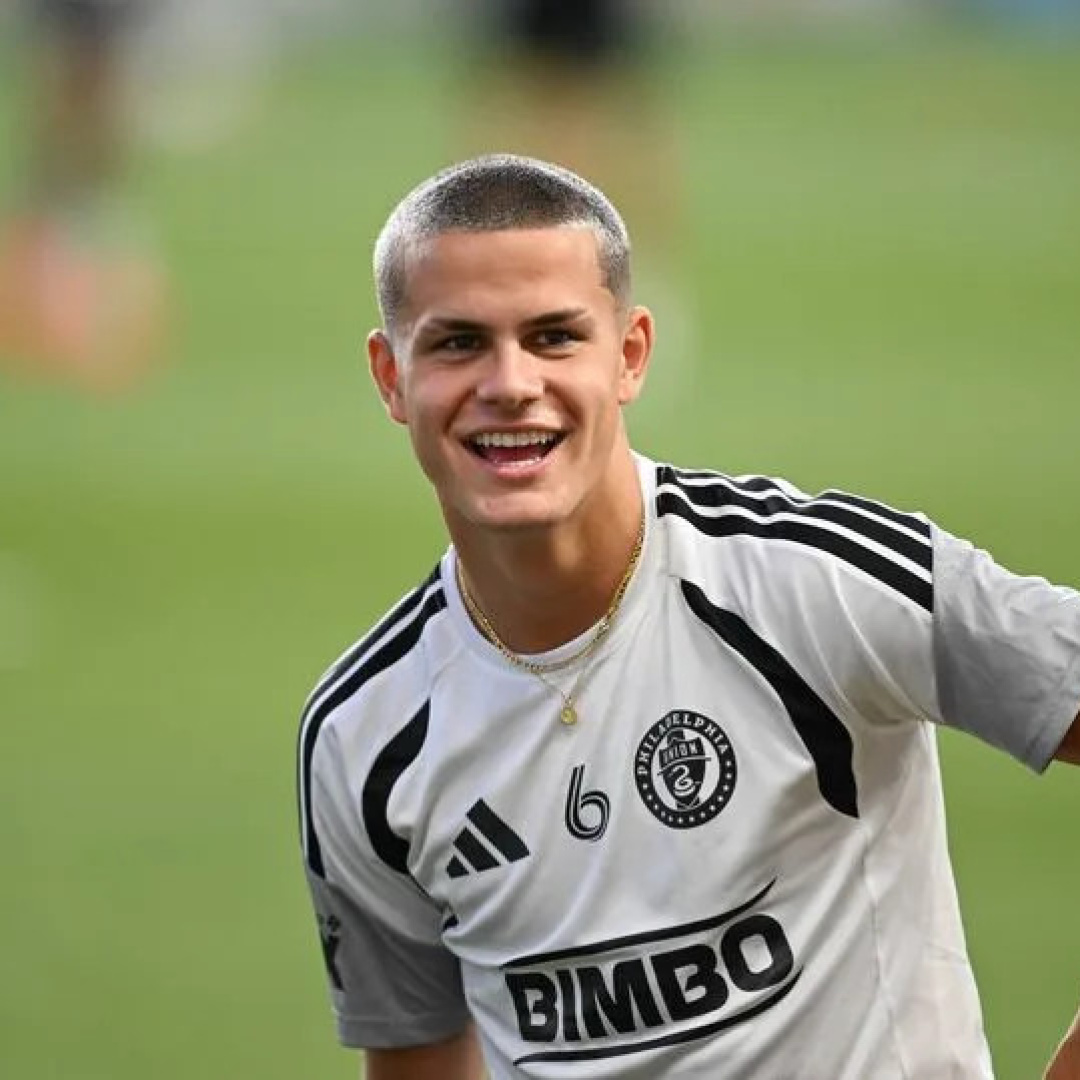
Now, as the team gears up for a series of friendlies against Peru, Chile, Mexico, and Canada, the roster showcases a more balanced approach. With Adams, who has already participated in two World Cups, leading the charge, the squad is better equipped to handle the pressures of international play. The inclusion of eight teenagers among the uncapped prospects indicates a commitment to nurturing talent while maintaining a competitive edge.
Adams emphasizes the importance of integrating these young players into the team culture, ensuring they understand that earning a spot on the roster is just the beginning of their journey. This mentorship is crucial as the team prepares for upcoming competitions, including the Concacaf Nations League and the Gold Cup, where experience will play a vital role in their success.
The View from the Cheap Seats
The U.S. team’s recent history highlights the need for players who can perform under pressure, and the current roster reflects a strategic shift towards building a resilient squad. With the next World Cup qualifying matches on the horizon, the blend of youth and experience could provide the stability necessary for success. The lessons learned from past failures will be invaluable as the team looks to establish itself as a formidable force in international soccer.
As the U.S. prepares for the challenges ahead, the combination of established players and fresh talent offers a promising outlook. The upcoming competitions will serve as a testing ground for this new generation, and with the right guidance, they could very well redefine the narrative surrounding U.S. soccer on the world stage.