Israel and Ireland's Soccer Matches Spark International Tensions

Israel and the Republic of Ireland find themselves embroiled in a heated war of words that has escalated a seemingly minor sporting event into a significant international incident. The two nations are set to face off in two soccer matches over the next few weeks, but the circumstances surrounding these games have become increasingly bizarre and contentious. Many in both countries would prefer these matches not to take place at all.
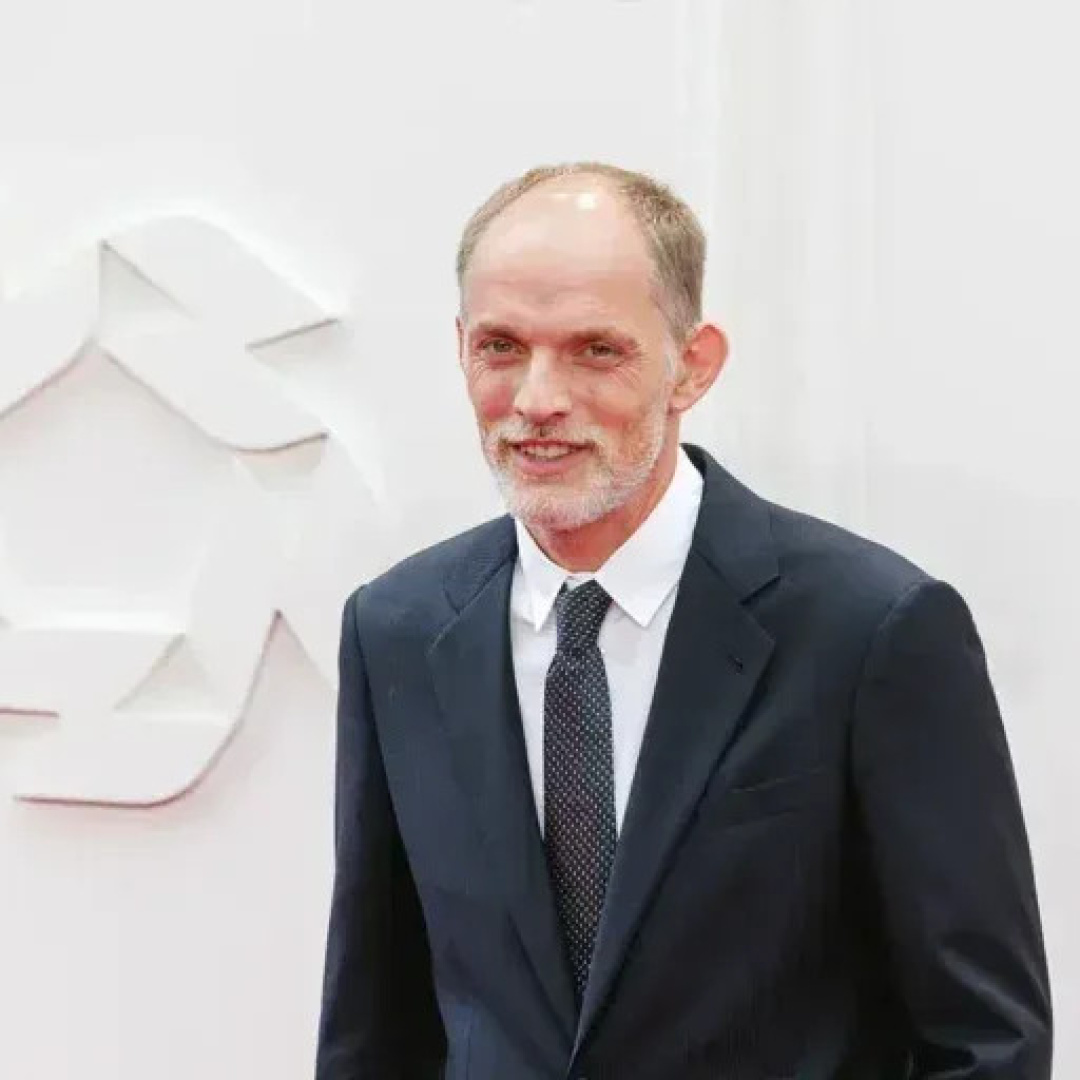
Ireland’s national soccer team coach, Heimir Hallgrímsson, who hails from Iceland, has stated that none of his players wish to participate in the upcoming matches against Israel, labeling the situation as akin to "playing against genocide." This inflammatory comment drew a sharp rebuke from the Israel Football Association, which accused Hallgrímsson of "stupidity, ignorance, and hypocrisy" in a social media post.
The dispute has even reached the United Nations, where Irish Taoiseach Micheál Martin addressed the General Assembly. In his speech, Martin broadly supported Secretary General António Guterres’ assertion that the expansion of Israeli settlements in the occupied West Bank poses a threat of ethnic cleansing and jeopardizes the prospect of a two-state solution. He also called on Israeli authorities to retract their "unacceptable remarks" regarding Hallgrímsson, indicating that the diplomatic spat is likely to continue.
This situation was somewhat predictable given the historical context of Irish public opinion, which has been largely pro-Palestinian for decades. This sentiment has intensified since the recent Gaza conflict, leading to strained diplomatic relations. In 2024, Ireland recognized a Palestinian state, prompting Israel's foreign minister to retaliate by closing the Israeli embassy in Dublin and accusing the then-Taoiseach Simon Harris of promoting antisemitic rhetoric. Since then, the two nations have engaged in a tit-for-tat exchange, with Ireland becoming a prominent voice in the growing anti-Israel boycott movement, including actions related to the Eurovision song contest.
The irony of the situation is not lost on many observers. While no nation is free from racism or antisemitism, Ireland has historically been a place where the Jewish community has not faced outright persecution. In fact, Ireland was the first European country to guarantee religious freedom to Jewish people in 1937, a time when much of Europe was moving in the opposite direction. Notably, Robert Briscoe, an Orthodox Jew and celebrated Irish revolutionary, served as lord mayor of Dublin in the 1950s. Furthermore, the most famous Irish character of Jewish heritage, Leopold Bloom from James Joyce’s "Ulysses," symbolizes a complex relationship between the two identities.
No Points for Excuses
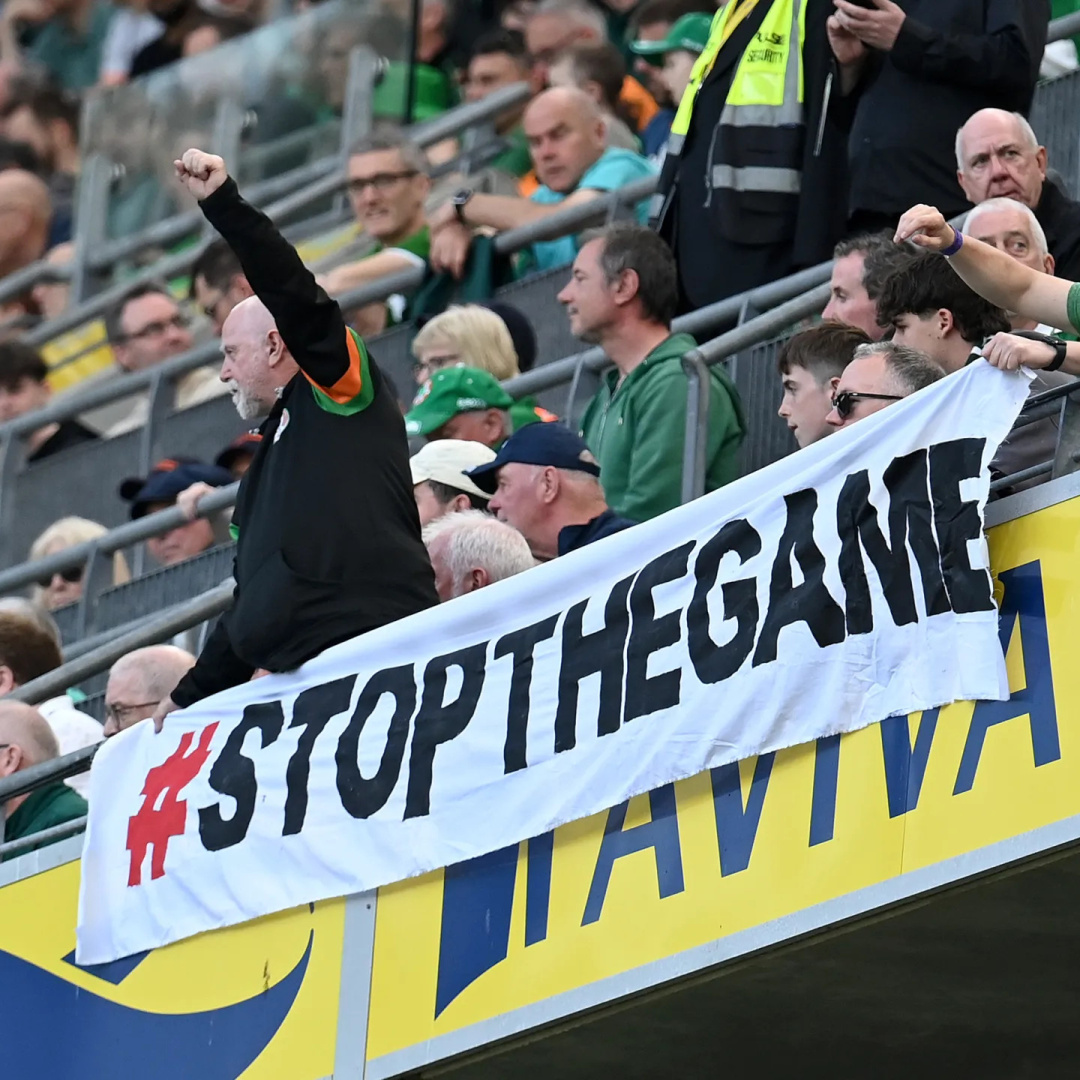
As the Nations League matches approach, the absurdity of the situation becomes apparent. Despite widespread protests from Irish fans and a general consensus that the national team should refuse to play, the Football Association of Ireland ultimately decided to proceed. However, they concluded that hosting a match in Dublin’s Aviva Stadium under the current volatile circumstances was unwise. Consequently, Israel’s home game on September 27 will take place in Hungary, while Ireland’s match on October 4 will occur behind closed doors in a small Serbian sports complex, with no fans allowed at either event. Ireland’s national broadcaster, RTÉ, is contractually obligated to air the matches but will do so in a minimalistic manner, devoid of commentary or advertisements.
The outcome of these matches seems inconsequential in the grand scheme of things. With the political backdrop overshadowing the sporting event, it appears that everyone involved has already lost, regardless of the final score.