Women's football in Germany: Growth and ongoing challenges
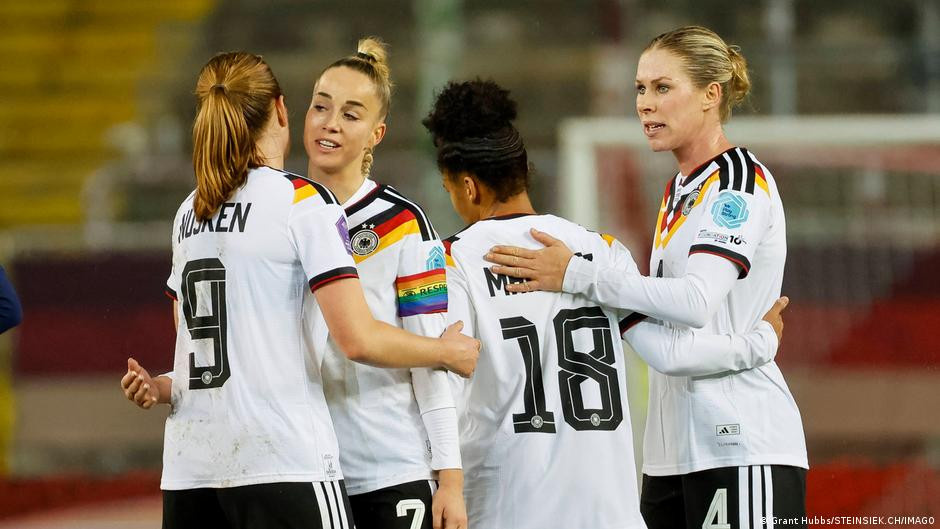
Women's football in Germany is on an upward trajectory, with the German Football Association (DFB) reporting a remarkable 135% increase in investment from professional clubs over the past six years. This surge in financial commitment coincides with a 30% rise in the number of girls participating in the sport since 2022, indicating a growing interest and engagement in women's football.
Celia Sasic, a former Germany striker and current head of diversity and inclusion at the DFB, has played a pivotal role in elevating the profile of women's football within the organization. "We've focused on the issue and established new structures, so that there is now a separate department with its own sports director," Sasic stated in an interview. This structural change aims to ensure clear responsibilities for the development and professionalization of women's football.
Sasic emphasizes the importance of recognition for women's football within licensed clubs, noting that as awareness increases, the necessary framework conditions must also evolve. "If we provide the right framework for the game, there's huge growth potential there," she asserts. This potential was evident during the Women's European Championship semifinal in 2025, which attracted around 14.26 million viewers, surpassing the men's Nations League semifinal match that drew approximately 10 million viewers.
The viewership numbers reflect a significant cultural shift, as Sasic points out, stating, "This is incredibly significant for us as a society and in terms of our influence abroad." The visibility of female players, such as Germany captain Giulia Gwinn, is inspiring a new generation of girls to pursue careers in football, a stark contrast to Sasic's own experience of having to look up to male role models during her formative years.
However, despite the positive developments, the financial gap between women's and men's football remains stark. The DFB and the German Soccer League (DFL) reveal that while Bundesliga clubs spent €1.72 billion on players and coaching staff in the 2024-25 season, the 12 Women's Bundesliga clubs' personnel expenses totaled just under €30 million—about 60 times less. This disparity highlights the ongoing challenges in achieving financial parity.
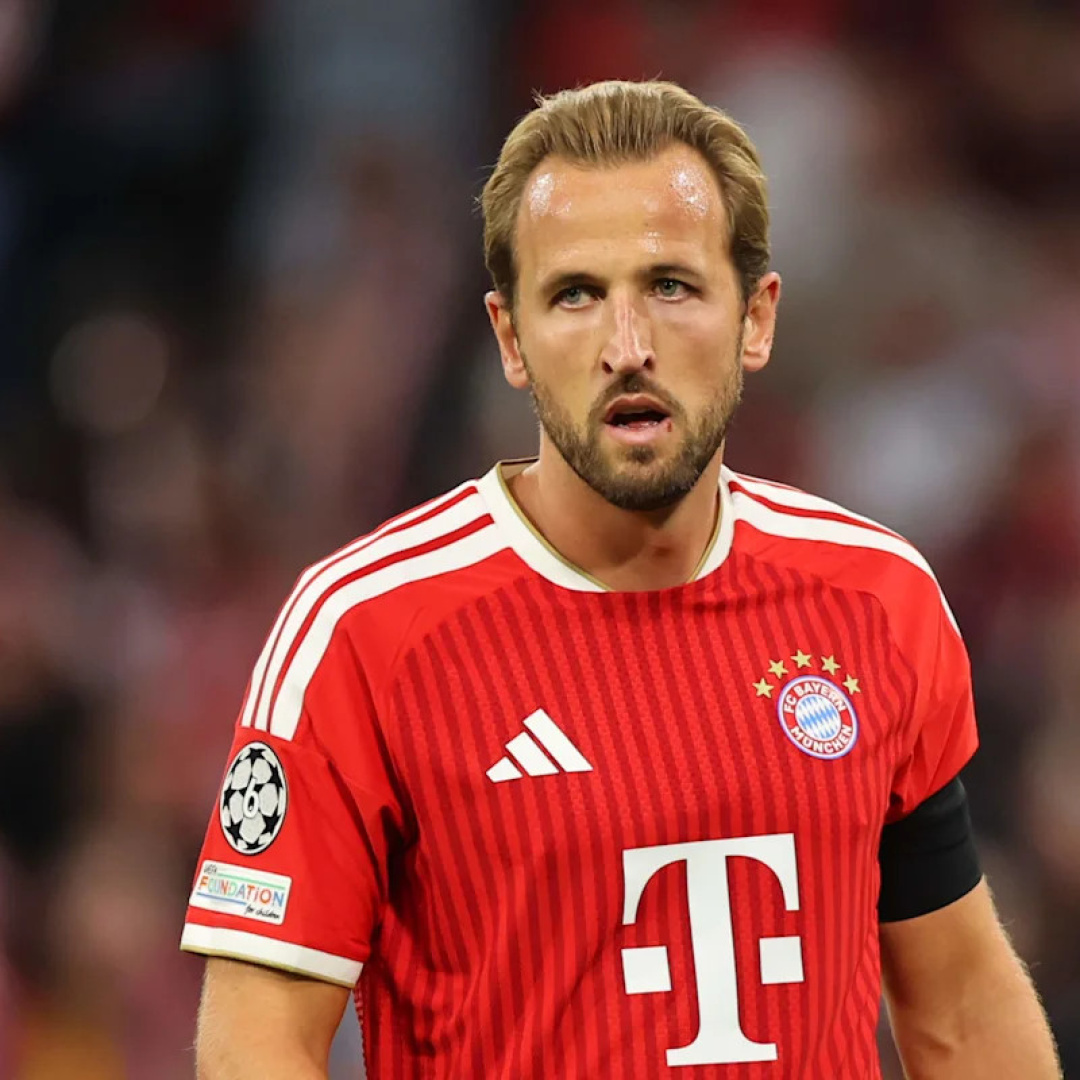
Salaries further illustrate the professionalization gap; in the 2023-24 season, the average base salary for a women's Bundesliga player was around €48,000, while Bayern Munich striker Harry Kane reportedly earned €25 million. This significant difference underscores the broader societal issues of gender inequality and the gender pay gap, as noted by former German Foreign Minister Annalena Baerbock. She remarked, "Football reflects our society — and thus also the gender inequality and the gender pay gap that we see in our society."
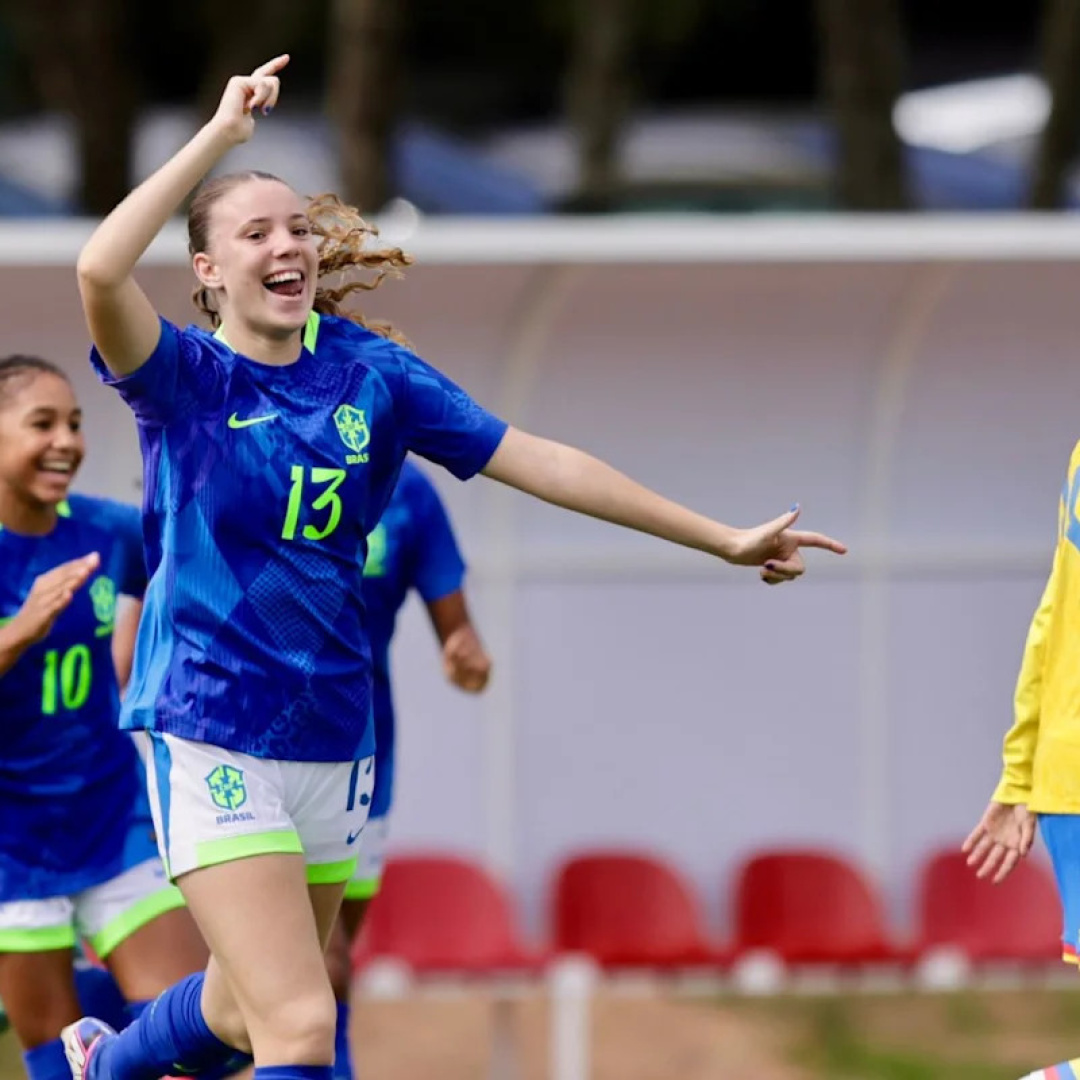
Looking ahead, Sasic sees potential for narrowing this gap, particularly with the upcoming 2027 Women's World Cup in Brazil. She believes that a strong performance from Germany could further elevate the profile of women's football and attract more investment and viewership. "Clubs must provide all the necessary resources to enable this development," Sasic insists, emphasizing the need for proper facilities, medical care, and coaching staff to support the growth of the women's game.
That's the Call
As the DFB implements new rules requiring Women's Bundesliga teams to employ full-time professional coaching staff, the foundations for a more equitable future are being laid. However, Sasic acknowledges that there is still much work to be done. The establishment of youth development centers is crucial for training young players not only athletically but also professionally, ensuring a sustainable future for women's football in Germany.
In conclusion, while women's football in Germany is experiencing a renaissance, the journey toward equality and recognition continues. The progress made thus far is commendable, but the disparities in investment, pay, and resources highlight the need for ongoing advocacy and support. With leaders like Sasic at the helm, there is hope that women's football will continue to grow and inspire future generations.