BYU and Utah: A New Era in College Football Rankings

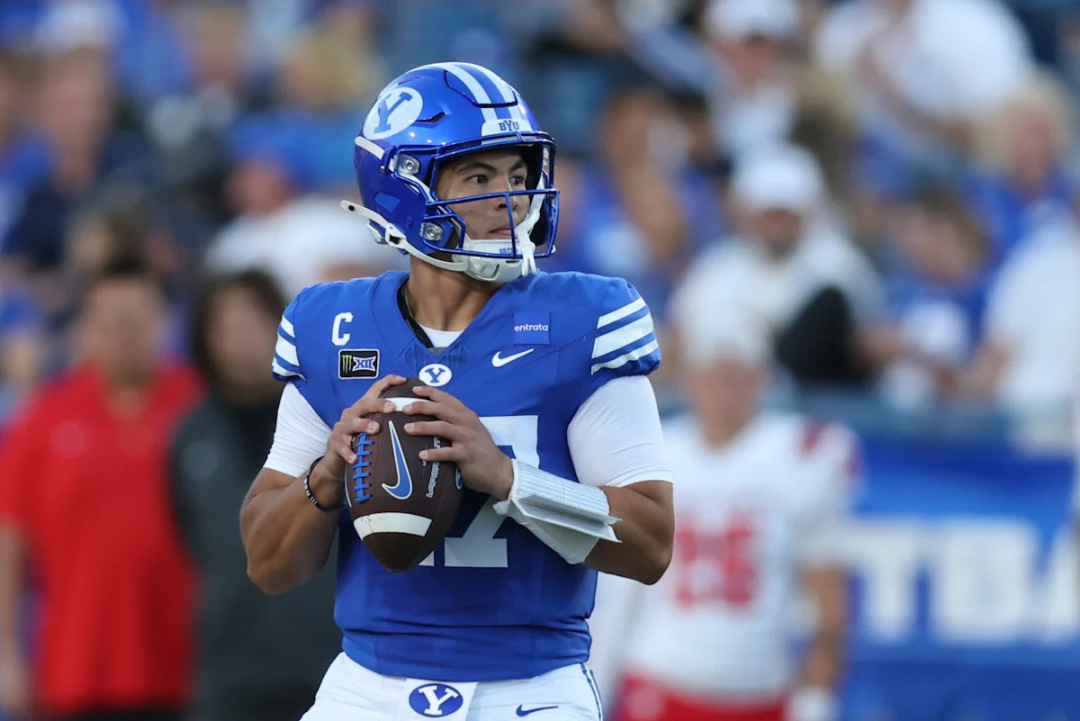
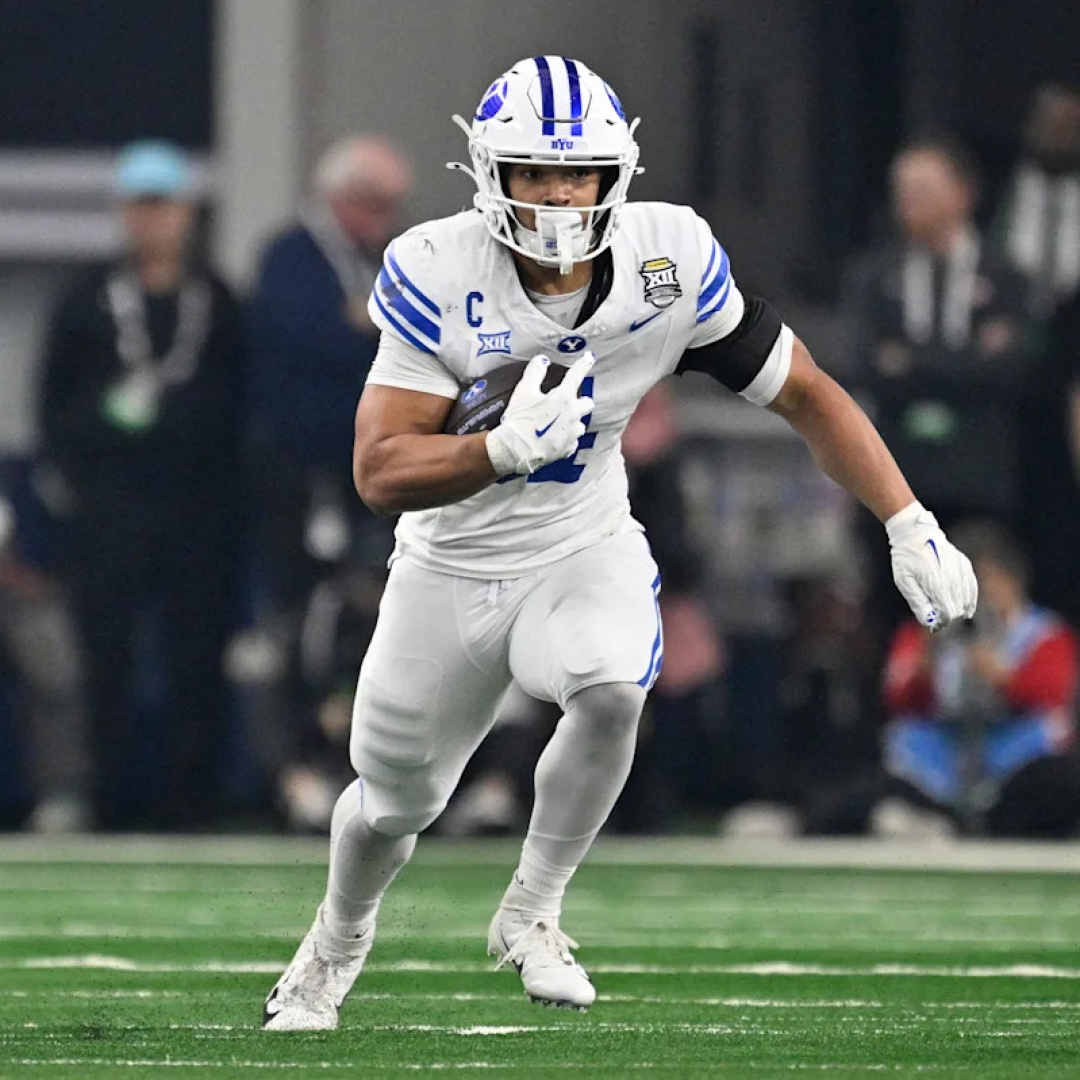
In a remarkable turn of events, both BYU and Utah have found themselves in the national college football rankings this week, with BYU sitting at 11th and Utah at 17th. For many fans who have followed these programs for decades, this development is still somewhat surreal. Once considered outsiders in the college football landscape, both teams have now firmly entrenched themselves in the national conversation.
Historically, it was a rarity for either BYU or Utah to be mentioned among the elite programs in college football. For years, they were overshadowed by traditional powerhouses, often dismissed as lesser contenders. However, the landscape has shifted dramatically. BYU's current ranking places them between Alabama and USC, while Utah is ahead of storied programs like Michigan and Oklahoma. This juxtaposition raises the question: how did these teams go from being overlooked to being recognized as legitimate contenders?
The journey for both programs has been long and arduous. For decades, BYU and Utah struggled to gain respect outside their home state. They were often seen as the blue-collar teams of the Western Athletic Conference, fighting for recognition in a world dominated by football royalty. Just a few years ago, BYU was desperately seeking a conference affiliation, while Utah faced challenges after the Pac-12's instability. The Big 12 eventually extended a lifeline to Utah, allowing them to join a more competitive conference.
Now, both teams have not only gained respect but have also become fixtures in the national rankings. The Utes have made 196 appearances in the Top 25 since 1994, while BYU has been ranked 308 times since 1974. The fact that both teams are now ranked simultaneously is a testament to their growth and resilience. It wasn't until 2004 that they first appeared in the rankings together, and since then, they have done so 65 times, showcasing their consistent performance.
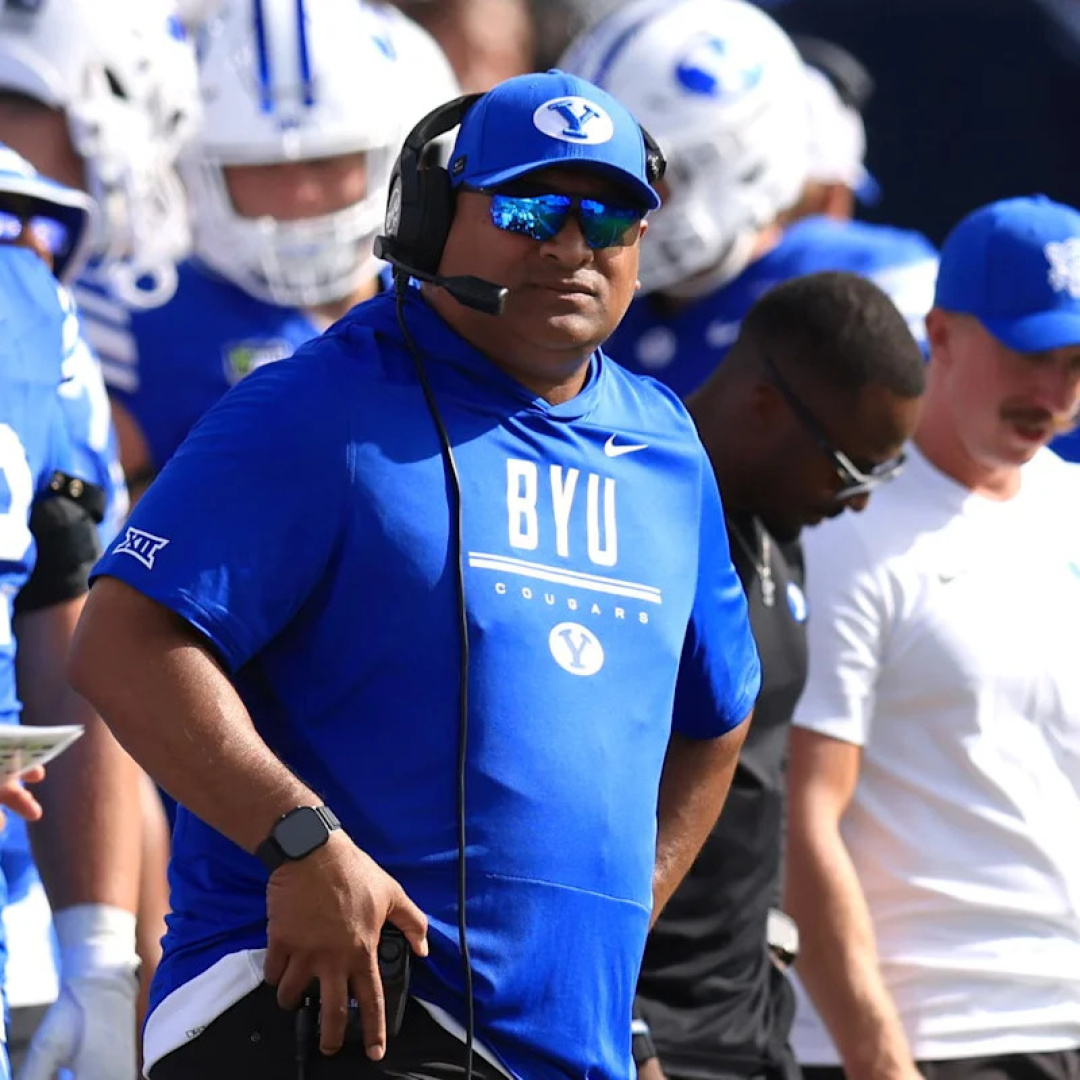
Coaching has played a pivotal role in this transformation. Kalani Sitake, the head coach of BYU, has evolved from being on the hot seat to becoming a sought-after commodity, with programs like Penn State showing interest in him. His early decisions, including assembling a coaching staff primarily made up of former BYU players, faced scrutiny but ultimately contributed to the program's resurgence. Meanwhile, Utah's success can be attributed to the stability provided by head coach Kyle Whittingham, who has maintained a competitive edge for over two decades.
Once the Hype Clears
The rise of BYU and Utah in the national rankings is not just a story of individual success; it reflects broader changes in college football dynamics. Their presence among the elite signifies a shift in how programs from non-traditional power conferences are perceived. As they continue to compete at a high level, they challenge the notion that only a select few programs can dominate the landscape.
As both teams continue to build on their recent successes, the implications for college football are significant. They serve as a reminder that with the right leadership and determination, programs can break through barriers and redefine their narratives. BYU and Utah are no longer the underdogs; they are now part of the elite conversation in college football, and their journey is far from over. The future looks bright for these programs as they continue to compete against the best in the nation.