Lane Kiffin's Legal Missteps: Trusting AI Over Expert Advice

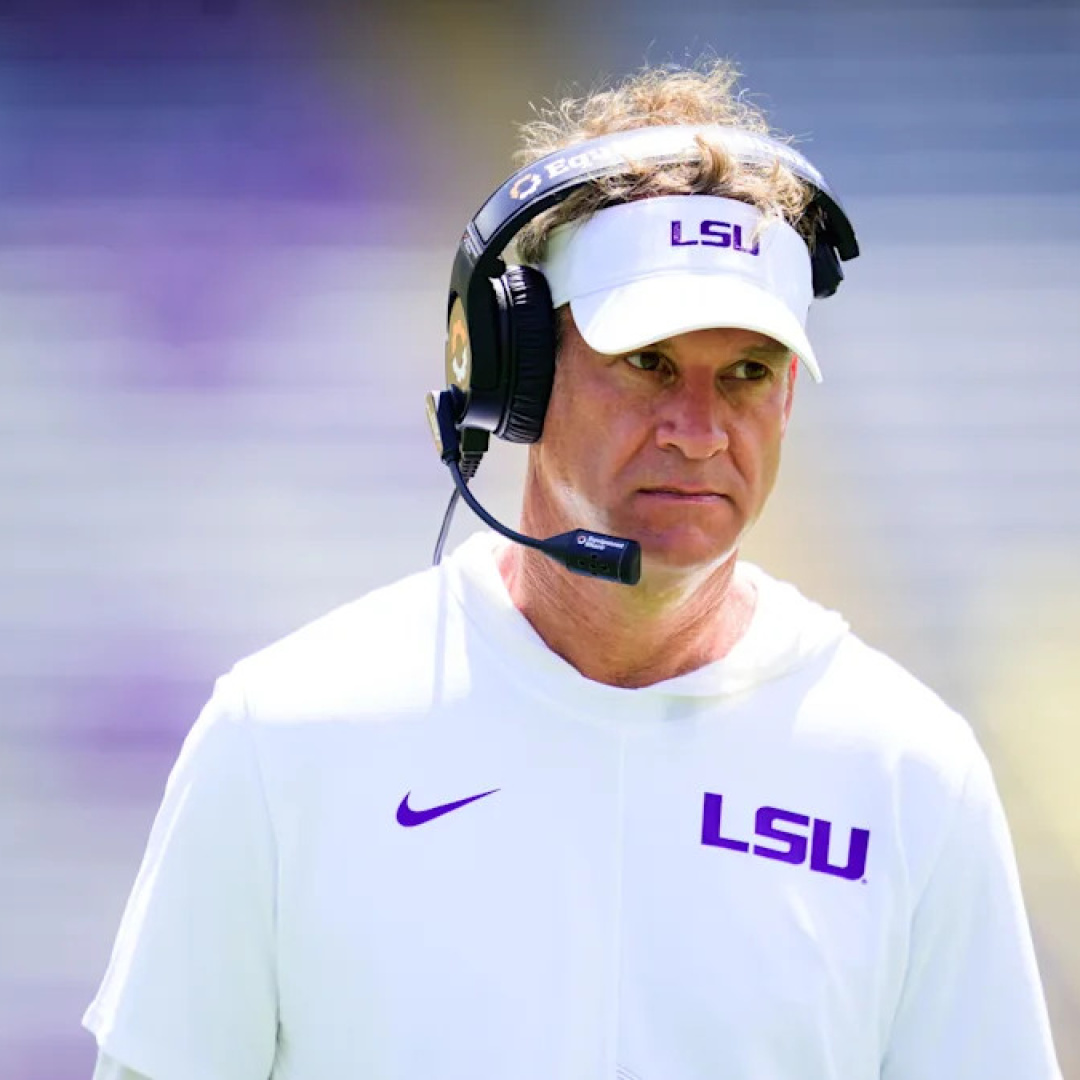
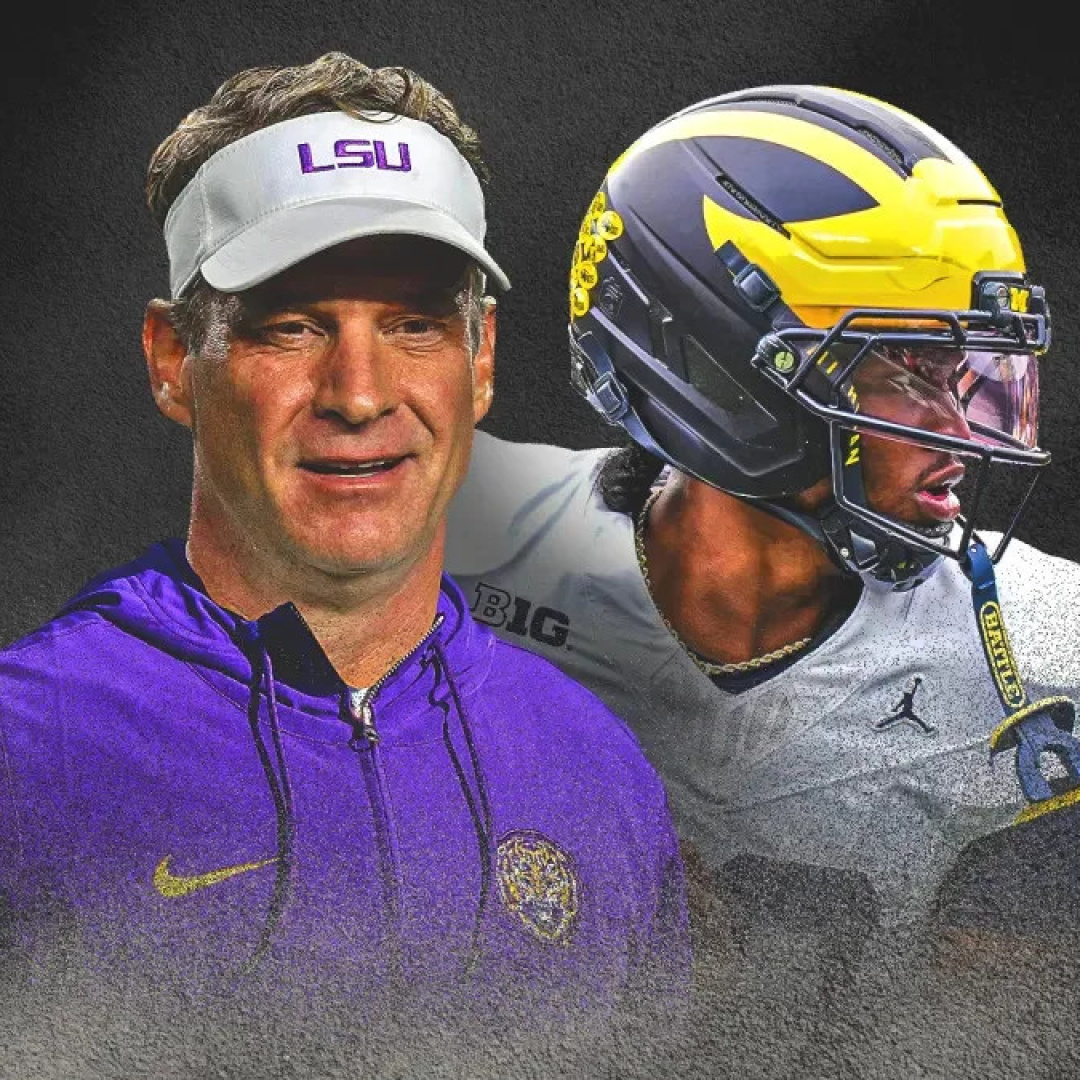
In a dramatic turn of events in college football, LSU's head coach Lane Kiffin found himself embroiled in a legal dispute with the SEC over roster decisions that could have significant implications for the program. The controversy erupted when LSU attempted to add tight end Dae’Quan Wright and defensive tackle Zxavian Harris, both of whom had signed contracts with NFL teams before being cut, to its roster. This move did not sit well with the SEC, which quickly convened to address the situation, ultimately leading to a federal lawsuit against LSU.
Kiffin, known for his unconventional approaches, sought legal advice from a friend and attorney, Tom Mars, who has decades of experience in the field. However, Mars recounted that Kiffin often countered his legal opinions with information sourced from ChatGPT, an artificial intelligence platform. This reliance on AI for legal guidance raised eyebrows, especially given the complexities of NCAA regulations and the potential consequences for LSU, including the risk of expulsion from the conference due to a perceived lack of institutional control.
The SEC's swift action included passing new rules to prevent member schools from pursuing players in similar situations, showcasing the seriousness of the matter. As the legal battle unfolded, Kiffin's decision to consult ChatGPT instead of fully trusting Mars's expertise became a focal point of discussion. Mars expressed his disbelief at Kiffin's reliance on AI, stating, "Usually, when I would express an opinion about what LSU was doing, Lane would reply with a screenshot from ChatGPT that supported LSU’s position, which was almost always wrong."
This incident highlights a growing trend where individuals, including those in high-stakes positions like Kiffin, turn to AI for advice on complex matters. While AI can provide quick answers, it lacks the nuanced understanding and experience that a seasoned professional brings to the table. Mars, who graduated at the top of his class and has been practicing law since the 1980s, emphasized the importance of having a qualified attorney for such significant decisions, especially for someone with a $91 million contract like Kiffin.
The fallout from this saga has implications not just for Kiffin and LSU, but also for the broader landscape of college football. As programs navigate the increasingly complex rules and regulations of the NCAA, the reliance on technology for legal advice could lead to more missteps and controversies. Coaches and athletic directors must weigh the benefits of quick information against the risks of misinterpretation and the potential for serious consequences.
The Final Whistle
As the dust settles on this legal battle, it serves as a cautionary tale for coaches and administrators alike. The intersection of technology and traditional expertise is fraught with challenges, and Kiffin's experience underscores the necessity of sound legal counsel in the world of college athletics. The SEC's actions and the subsequent lawsuit against LSU demonstrate the lengths to which governing bodies will go to maintain control and ensure compliance among their member institutions.
Ultimately, Kiffin's reliance on AI for legal advice may have cost him dearly, not just in terms of the immediate legal ramifications but also in the trust and credibility he holds within the college football community. As the landscape of college athletics continues to evolve, the lessons learned from this incident will likely resonate for years to come, reminding coaches that while technology can be a useful tool, it should never replace the invaluable insights of experienced professionals.