Kalani Sitake's Impact at BYU Deserves National Attention

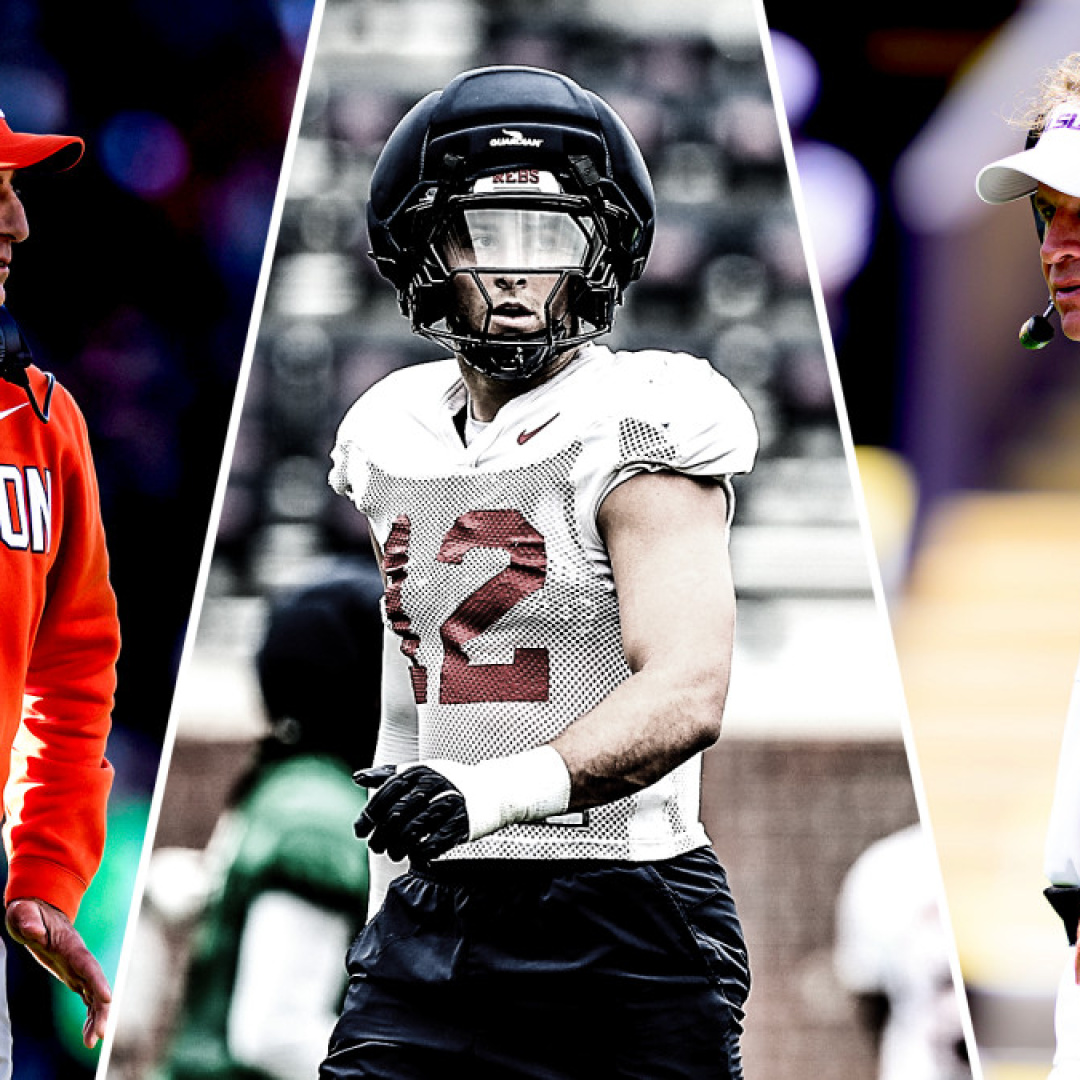
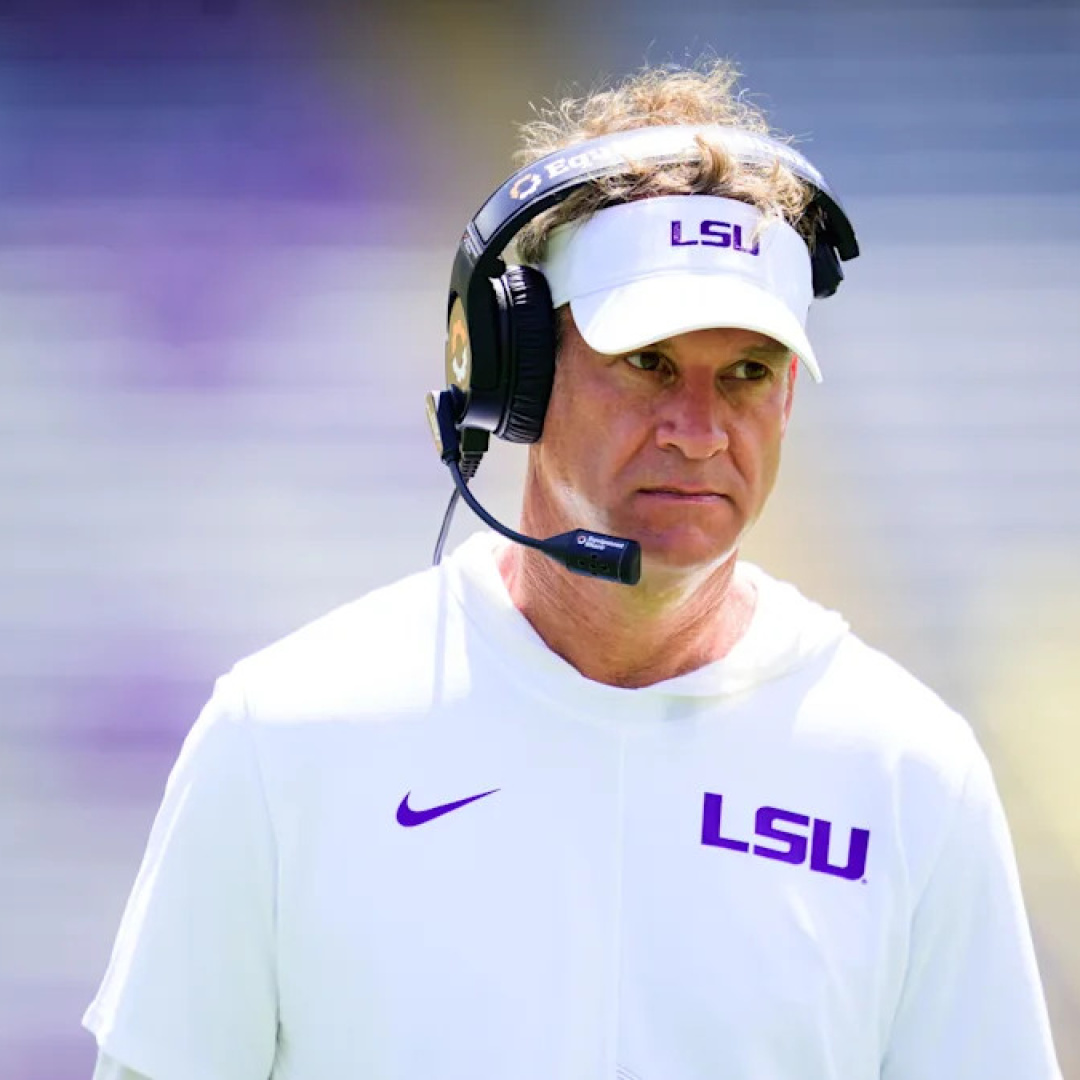
Kalani Sitake, the head coach of the BYU Cougars, embodies the ideal qualities that college football fans admire. His coaching prowess is often likened to a character crafted in a video game, yet his name seldom surfaces among the elite in the sport. Despite his remarkable achievements, Sitake's absence from discussions about the top coaches in college football raises eyebrows, particularly when considering the rankings released by ESPN for the 2026 season. The list included prominent names like Kirby Smart, Ryan Day, and Lane Kiffin, but failed to recognize Sitake, whose record speaks volumes about his capabilities.
In the competitive landscape of college football, success is measured by win-loss records and the trajectory of a program, especially in the current era dominated by NIL (Name, Image, Likeness) deals. Sitake's omission from the ESPN rankings is puzzling, especially when juxtaposed with programs like Ohio State and Texas, which have struggled to achieve the same level of success despite frequent top-five rankings. Sitake's deep-rooted connection to BYU, as a former player and team captain, adds a layer of authenticity to his leadership that is often overlooked.
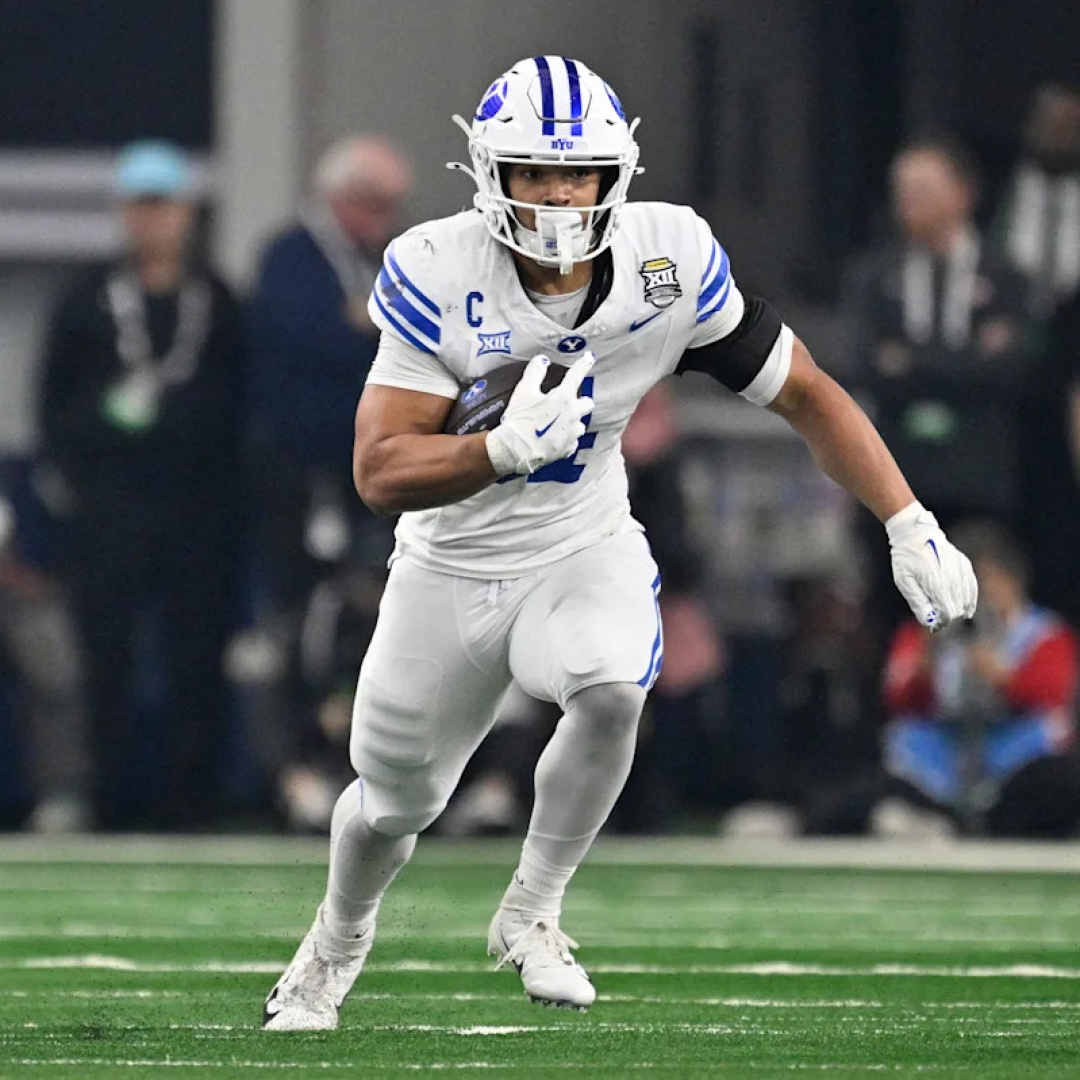
Since taking the helm in 2016, Sitake has consistently guided the Cougars to success, achieving eight or more wins in six of his eleven seasons. His tenure has included four double-digit win seasons, with the most recent two years showcasing the program's upward trajectory. In 2024, BYU notched 11 wins, followed by a remarkable 12-win season in 2025, positioning them as a formidable contender in the college football landscape. Had it not been for the inclusion of Group of Five teams in the playoff selection, BYU would have likely secured a playoff berth, further solidifying Sitake's reputation.
What sets Sitake apart from many of his contemporaries is his balanced approach to coaching. He is not confined to a specific style or philosophy; instead, he fosters a culture of discipline and toughness within his teams. His unique recruitment strategy, which emphasizes the mission aspect, has become a significant advantage, allowing him to cultivate a pipeline of talent that aligns with BYU's values. Sitake's focus is not on hype or offseason narratives; rather, he prioritizes hard work and results, making it difficult to envision a poorly performing BYU team under his leadership.
As the landscape of college football continues to evolve, two key factors bolster confidence in BYU's future under Sitake. First, the NIL landscape has proven to be more equitable than initially anticipated, allowing programs like BYU to compete with traditional powerhouses. The Cougars' extensive alumni network, boasting over 400,000 living alumni, positions them well to leverage NIL opportunities effectively. This newfound competitive balance poses a challenge to established programs that have historically dominated the sport.
Let's Call It What It Is
Second, the interest from other programs, such as Penn State during the recent coaching carousel, underscores Sitake's value as a coach. Although discussions took place, Sitake ultimately chose to remain at BYU, citing the overwhelming support from fans as a significant factor in his decision. This commitment reflects his belief in the potential of the program and his desire to continue building on the foundation he has established.
As college football undergoes significant changes, Kalani Sitake stands as a figure poised to navigate these shifts successfully. BYU, with its strong fanbase and alumni support, is well-equipped to thrive in this new era. If any Power Four program were to have a coaching vacancy, Sitake would undoubtedly be a top candidate. However, at this juncture in his career, it seems unlikely that he would consider coaching anywhere else, given the promising direction in which BYU is headed.