Michigan's Hail Mary Victory Over Western Michigan Sparks Outrage
In a stunning finish, Michigan Wolverines secured a controversial Hail Mary victory over Western Michigan, leading to widespread criticism and calls for accountability regarding the officiating. The game concluded with confusion over an added second on the clock, prompting debates about the integrity of the officiating in college football.
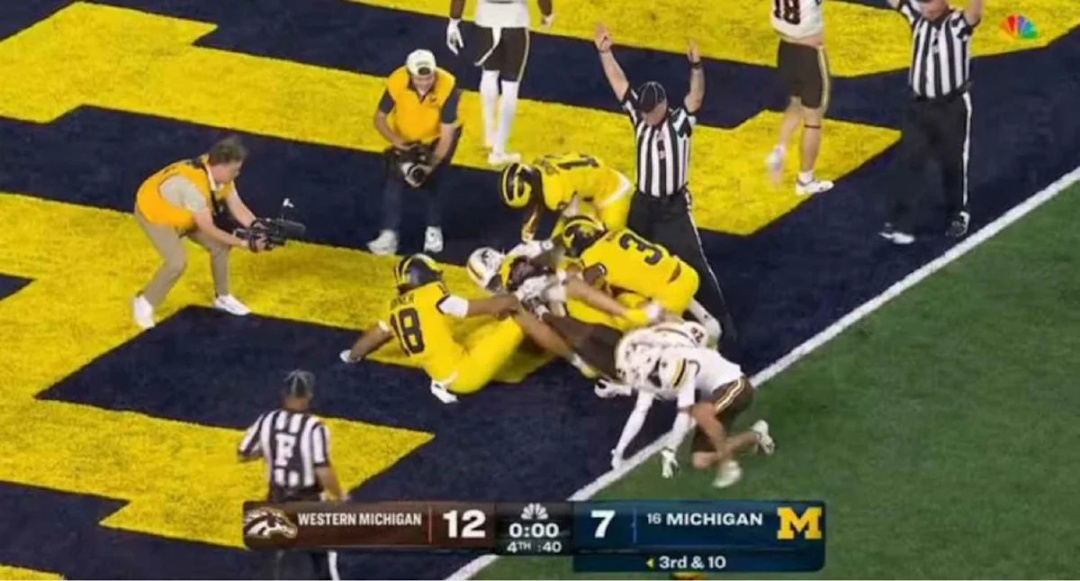
In a dramatic clash at the Big House, the Michigan Wolverines pulled off a controversial Hail Mary victory against the Western Michigan Broncos, leaving fans and analysts alike in disbelief. The game, which ended with a score of 13-12 in favor of Michigan, was marred by a contentious decision to add an extra second to the game clock, leading to a final play that many believe should not have occurred.
As the clock struck zero, Michigan quarterback Bryce Underwood launched a desperate pass into the end zone, which was caught by JJ Buchanan amidst a crowd of defenders. This last-second play secured a shocking win for the Wolverines, but the circumstances surrounding it have ignited a firestorm of criticism across the college football landscape.
The controversy began immediately after the initial play when the stadium announcer indicated that the game was under review. Head referee's announcement that one second remained on the clock raised eyebrows, particularly among commentators and analysts. NBC's rules analyst Terry McAulay expressed confusion regarding the rationale behind the decision to add time, especially since both the game clock and NBC's broadcast clock showed zero before the ball was caught.
The reactions from the college football community were swift and intense. Prominent sports journalists took to social media to voice their disbelief. Pete Thamel remarked that the added second would be scrutinized heavily, while Dan Wolken labeled the incident a major scandal that could have serious repercussions for those involved in officiating the game.
Concerns over officiating integrity arise
Critics pointed out that the replays clearly showed the ball still in the air when the clock hit zero, leading to questions about the accuracy of the officiating and the technology used to monitor the game. Stewart Mandel and Chris Vannini echoed these sentiments, demanding explanations for how the officials could justify adding time back to the clock.
The implications of this decision extend beyond just one game. It raises significant concerns about the integrity of officiating in college football, particularly in high-stakes games where every second counts. As the dust settles on this controversial finish, the Big Ten Conference will likely face pressure to address the officiating standards and ensure that such a situation does not occur again.
The fallout from this game is just beginning, and it is clear that the added second will be a topic of discussion for weeks to come. Fans and analysts alike are left wondering how a moment that should have been a celebration for Michigan turned into a scandal that could tarnish the reputation of college football officiating.