Big Ten Teams Shine and Stumble in Week 1 of College Football
In the opening week of college football, top-ranked Ohio State and defending champion Indiana showcased their prowess, while other Big Ten teams faced unexpected challenges. Ohio State's quarterback Julian Sayin led a dominant performance, but teams like Rutgers and Nebraska struggled, raising questions about the conference's overall strength.

The college football season kicked off with a bang as top-ranked Ohio State and defending national champion Indiana made strong statements in Week 1. The Buckeyes, widely favored to clinch both the Big Ten title and a national championship, displayed their offensive firepower against Ball State. Quarterback Julian Sayin was in midseason form, connecting with Heisman Trophy hopeful Jeremiah Smith for a spectacular 48-yard touchdown early in the game. By halftime, Ohio State had established a commanding 28-3 lead, with Sayin throwing three touchdown passes and adding another on the ground.
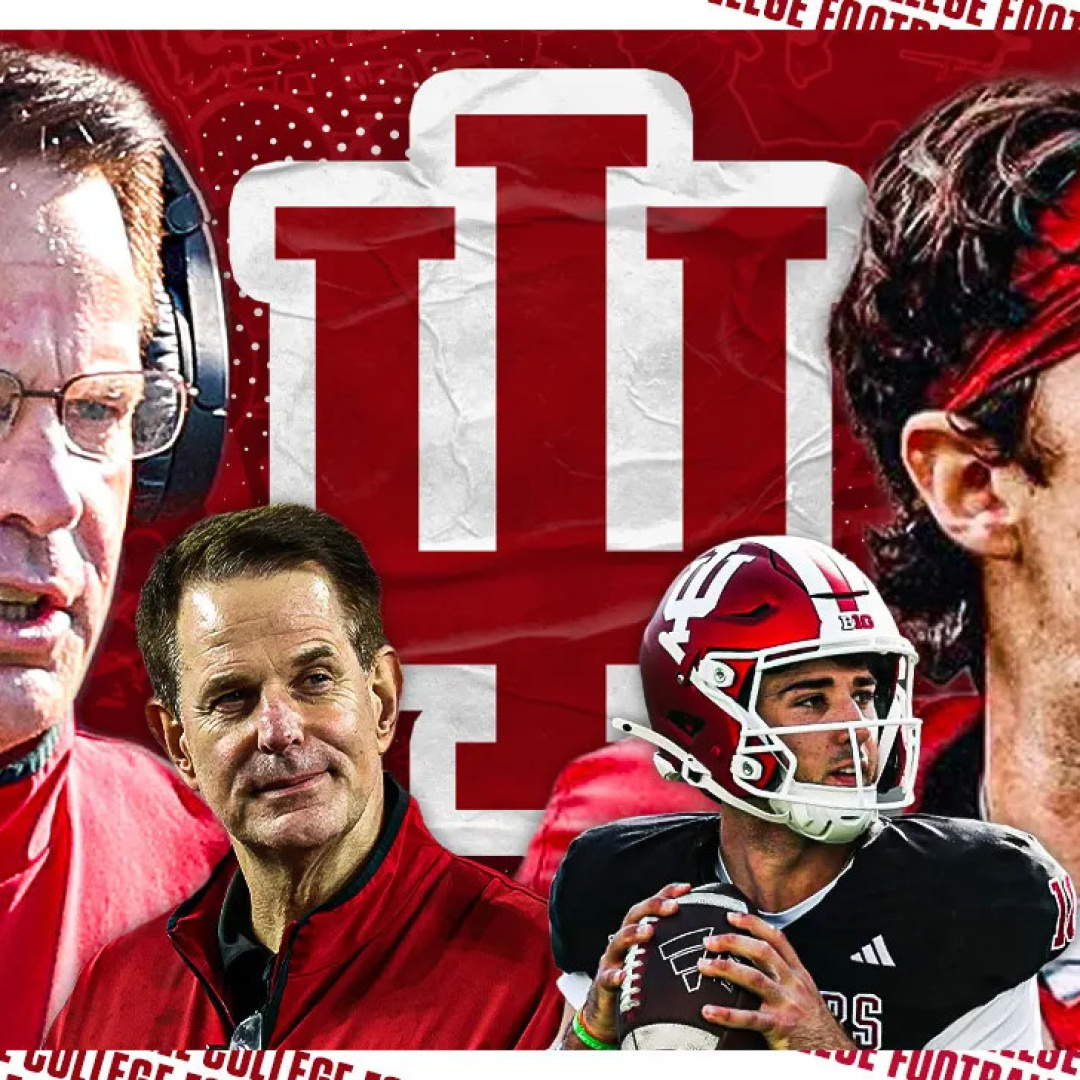
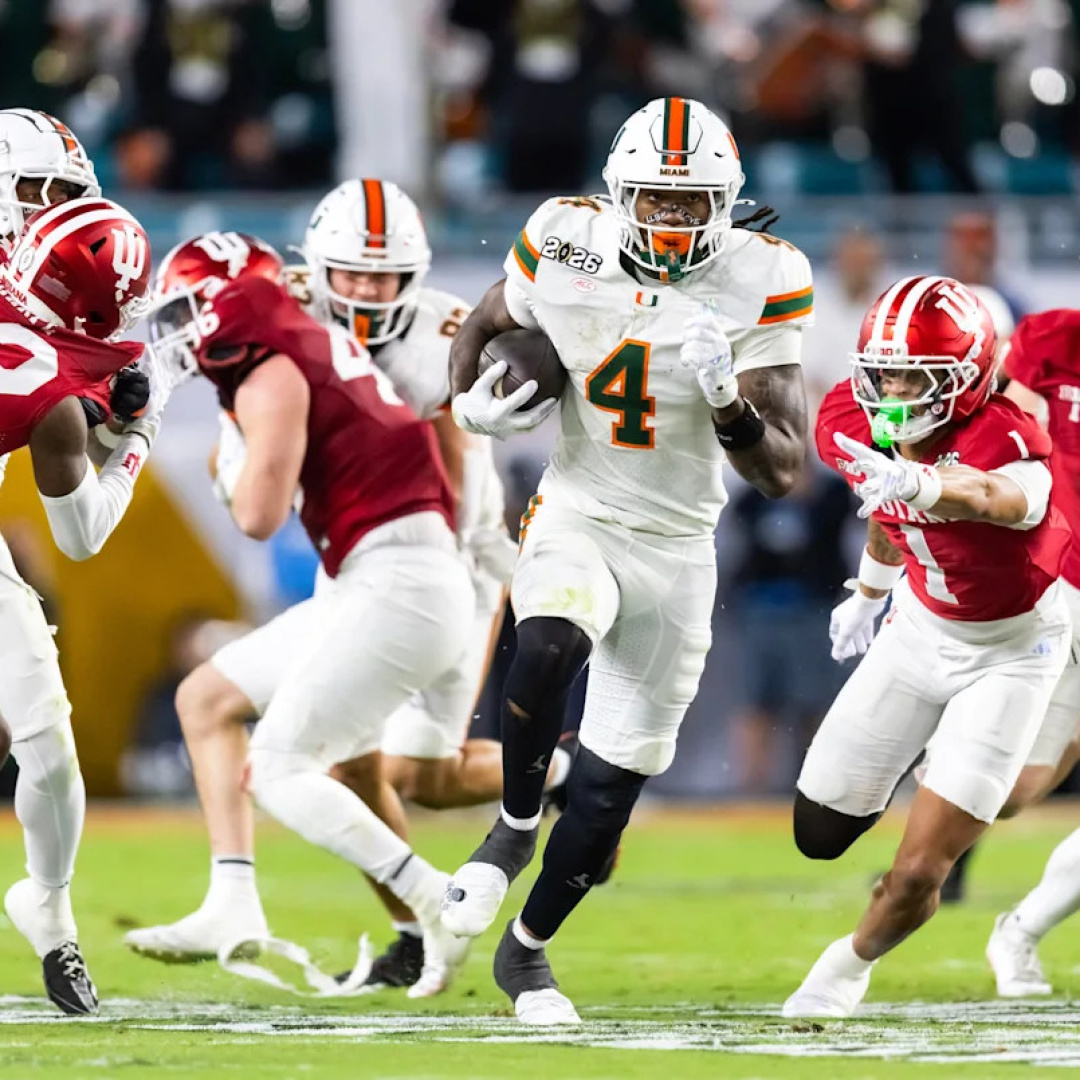
Meanwhile, Indiana, despite missing Heisman winner Fernando Mendoza, continued its momentum from last season's College Football Playoff victory over Miami. New quarterback Josh Hoover, a transfer from TCU, led the Hoosiers to a 21-6 advantage over North Texas, even battling through a bloody nose caused by a facemask penalty.
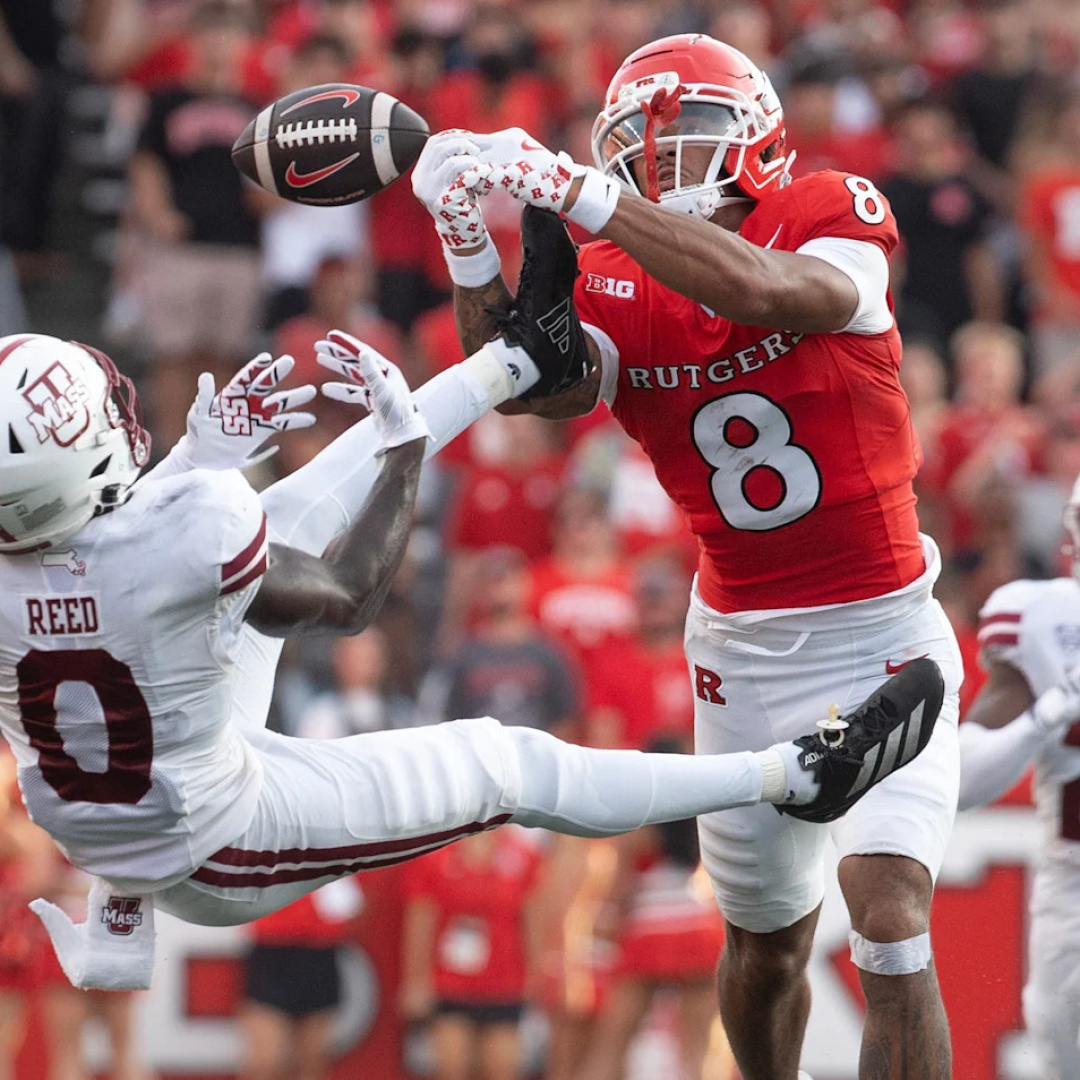
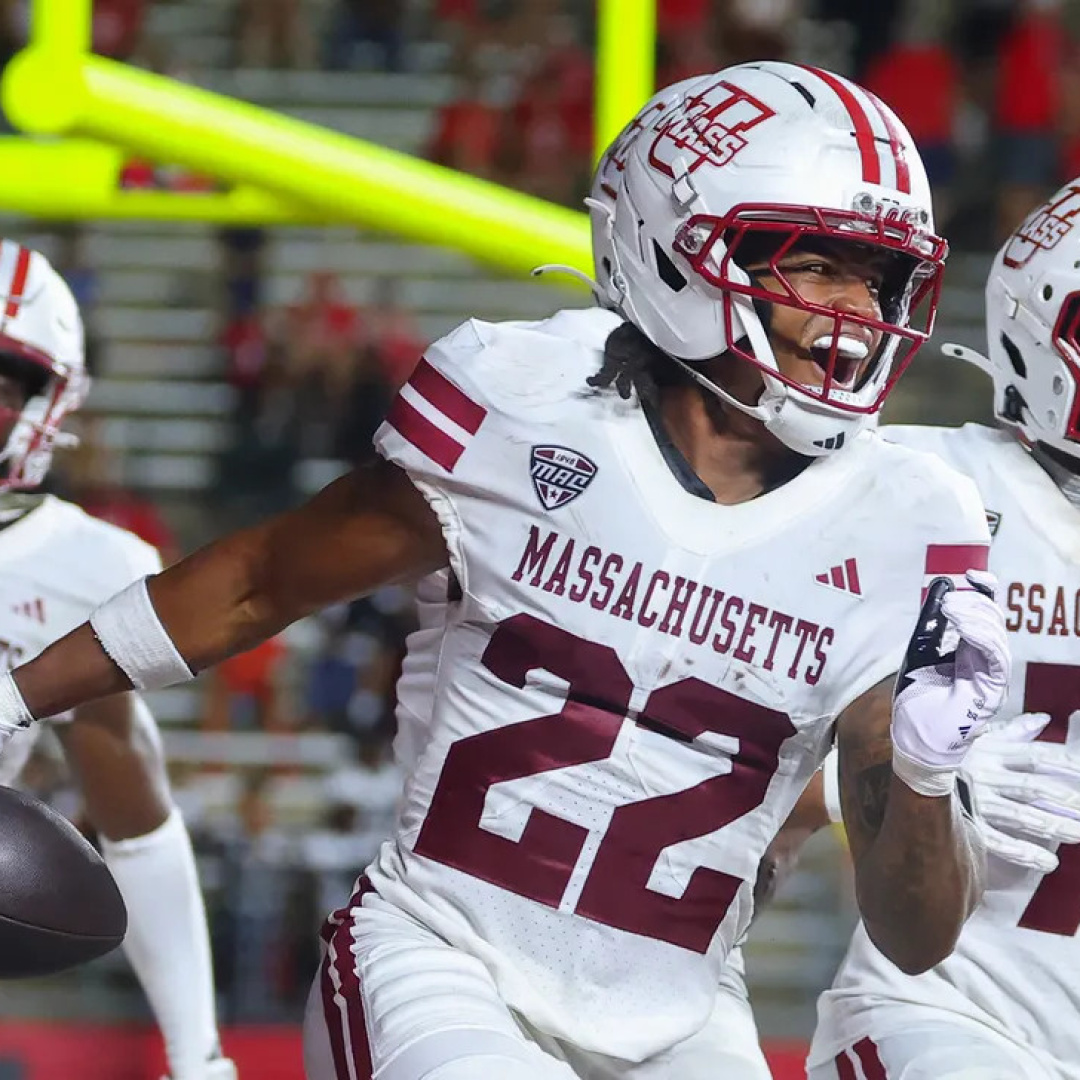
However, not all Big Ten teams enjoyed a smooth start. Rutgers, expected to perform well, suffered a shocking upset against UMass, losing despite being favored by 30 points. Michigan State, under new coach Pat Fitzgerald, faced a tough challenge, narrowly defeating Toledo 30-20 in their home opener. Nebraska, also favored by 23 points, found themselves in a precarious position against Ohio, trailing early before rallying to a 14-13 halftime lead. The Cornhuskers eventually secured a 28-20 victory, but the struggle raised eyebrows.
Assessing early-season struggles and perceptions
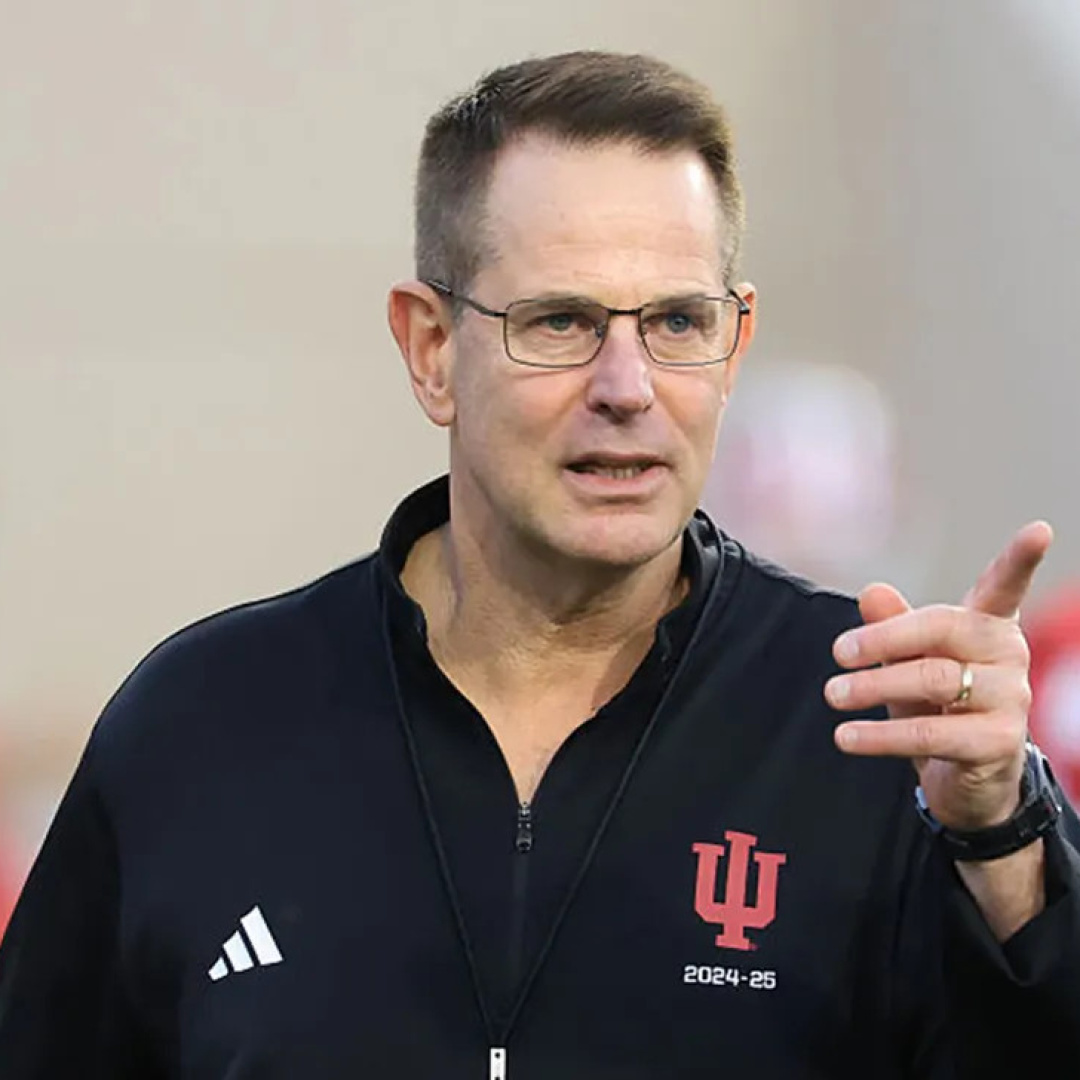
These lackluster performances from some teams in the conference could be attributed to early-season rust, yet they take on greater significance amid the ongoing debate about the Big Ten's superiority over the SEC. Indiana's coach, Curt Cignetti, made headlines at Big Ten Media Day, asserting the conference's dominance with a pointed jab at the SEC. "The Big Ten is the best league in football," he declared, emphasizing a culture of earning success rather than relying on hype.
The statistics support Cignetti's claim to some extent, as the Big Ten boasts an 8-2 record against the SEC in postseason play over the past two years. Analysts like Urban Meyer, who has experience coaching in both conferences, have echoed the sentiment that the Big Ten is currently the strongest in college football. This narrative gains traction if powerhouses like Ohio State, Indiana, Oregon, and Michigan can all advance to the College Football Playoff semifinals.
Yet, the regular season presents a different challenge. If the lower half of the Big Ten struggles against teams from the lower tiers of the FBS, it complicates the argument for the conference's overall strength. The early results suggest that while the top teams are formidable, the depth of talent within the conference may be more questionable than previously thought. As the season progresses, the performances of these teams will be scrutinized closely, particularly in the context of their rivalry with the SEC and the broader landscape of college football.