LSU's roster decisions loom over season opener against Clemson
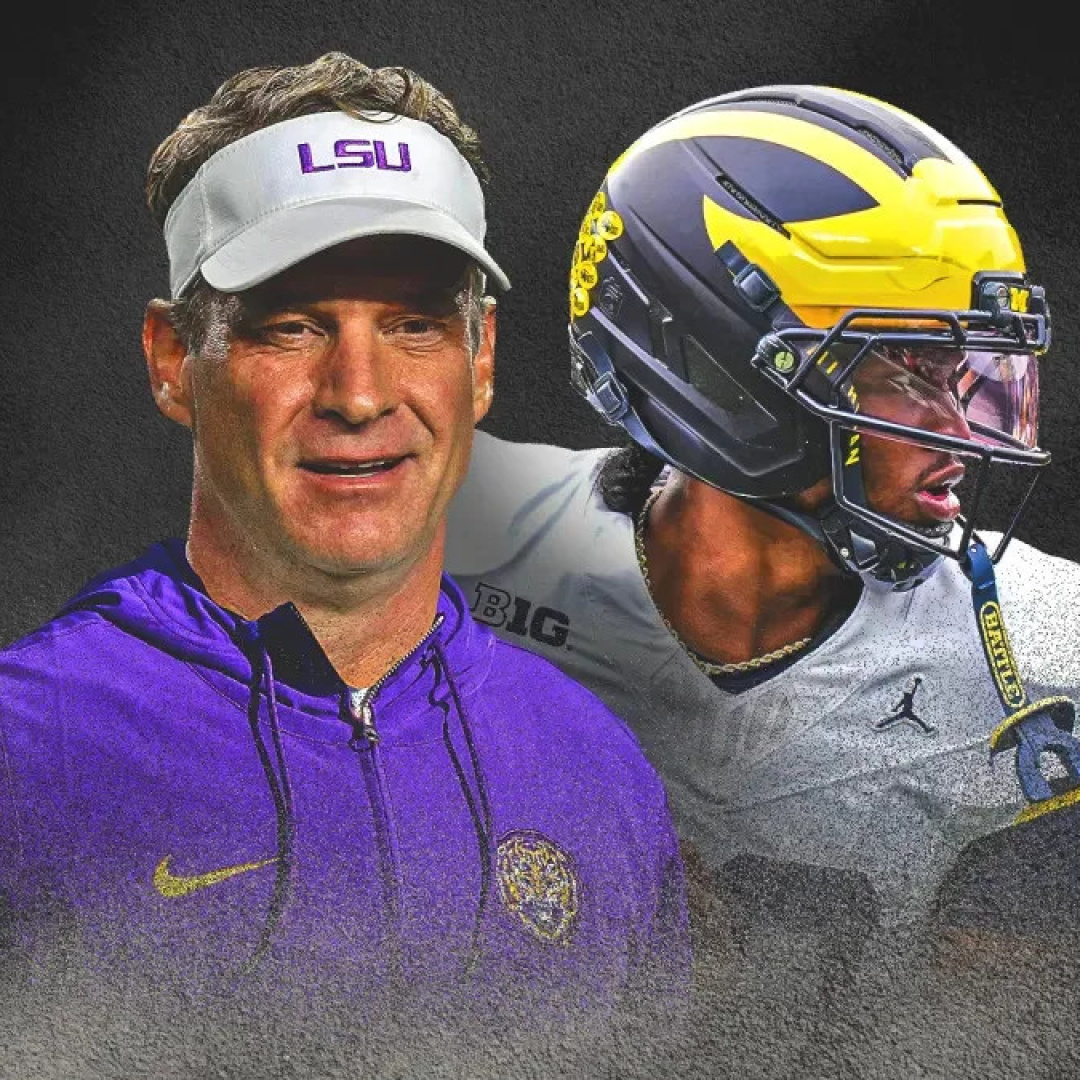
As the college football season begins, LSU faces scrutiny over its roster decisions involving former NFL players Dae'Quan Wright and Zxavian Harris. Despite a court ruling allowing their participation, LSU has opted not to include them, likely to avoid severe penalties from the SEC.

With the college football season kicking off, LSU is under intense scrutiny regarding its roster decisions, particularly concerning former NFL players Dae'Quan Wright and Zxavian Harris. The Tigers made a significant choice ahead of their season opener against Clemson, opting not to include the two players on their roster despite a preliminary injunction granted by a Louisiana judge just days before the game.
Wright, a 22-year-old tight end, previously played for Lane Kiffin at Ole Miss for two seasons. He spent the 2026 NFL training camp and preseason with the Philadelphia Eagles and Cleveland Browns but failed to secure a roster spot. After being cut in late August, he reunited with Kiffin at LSU, hoping to contribute to the Tigers' campaign. Harris, also 22, is a defensive tackle who spent four years with the Rebels. He signed with the New Orleans Saints as an undrafted free agent in May but was placed on the non-football injury list due to foot surgery and was subsequently released without ever playing a snap.
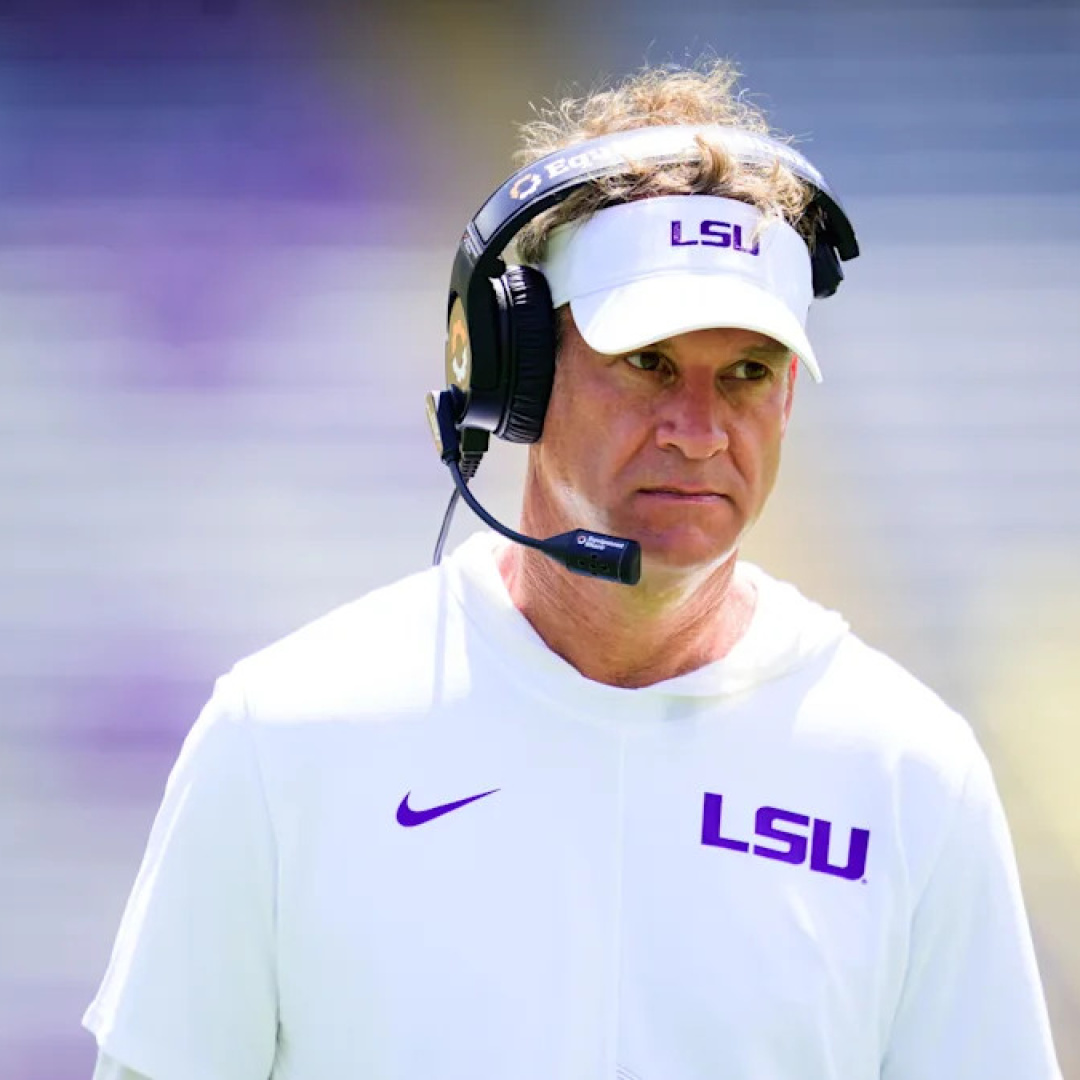
The decision to exclude Wright and Harris from the roster appears to be a strategic move by LSU to avoid severe repercussions from the SEC. The conference had warned LSU of potential penalties, including a half-season suspension for coach Lane Kiffin, a significant reduction in the team's annual operating budget, and the loss of certain SEC voting privileges. By not rostering these players, LSU seems to be prioritizing compliance over immediate competitive advantage.
Interestingly, LSU reportedly filled only 103 of its 105 roster spots, leaving the door slightly ajar for Wright and Harris to potentially join the squad later in the season. This situation reflects a tense standoff between Kiffin and the SEC, where the latter currently holds the upper hand. The implications of this decision extend beyond just the players involved; it raises questions about roster management, compliance with NCAA regulations, and the overall strategy of the program under Kiffin's leadership.
As the season progresses, the impact of this decision on LSU's performance will be closely monitored. The absence of experienced players like Wright and Harris could affect the team's depth and performance, particularly in high-stakes games like the one against Clemson. LSU's choices will be scrutinized not only for their immediate effects but also for how they shape the program's future and its standing within the SEC. The balance between compliance and competitive edge is a delicate one, and LSU's current predicament serves as a case study in the complexities of college football management.