Michael Lombardi resigns as UNC football GM amid ongoing investigation
Michael Lombardi has stepped down from his role as the general manager of the University of North Carolina football program. His resignation follows a month of being on paid administrative leave due to an internal investigation. The investigation will continue despite his departure, raising questions about the future of the program under head coach Bill Belichick.

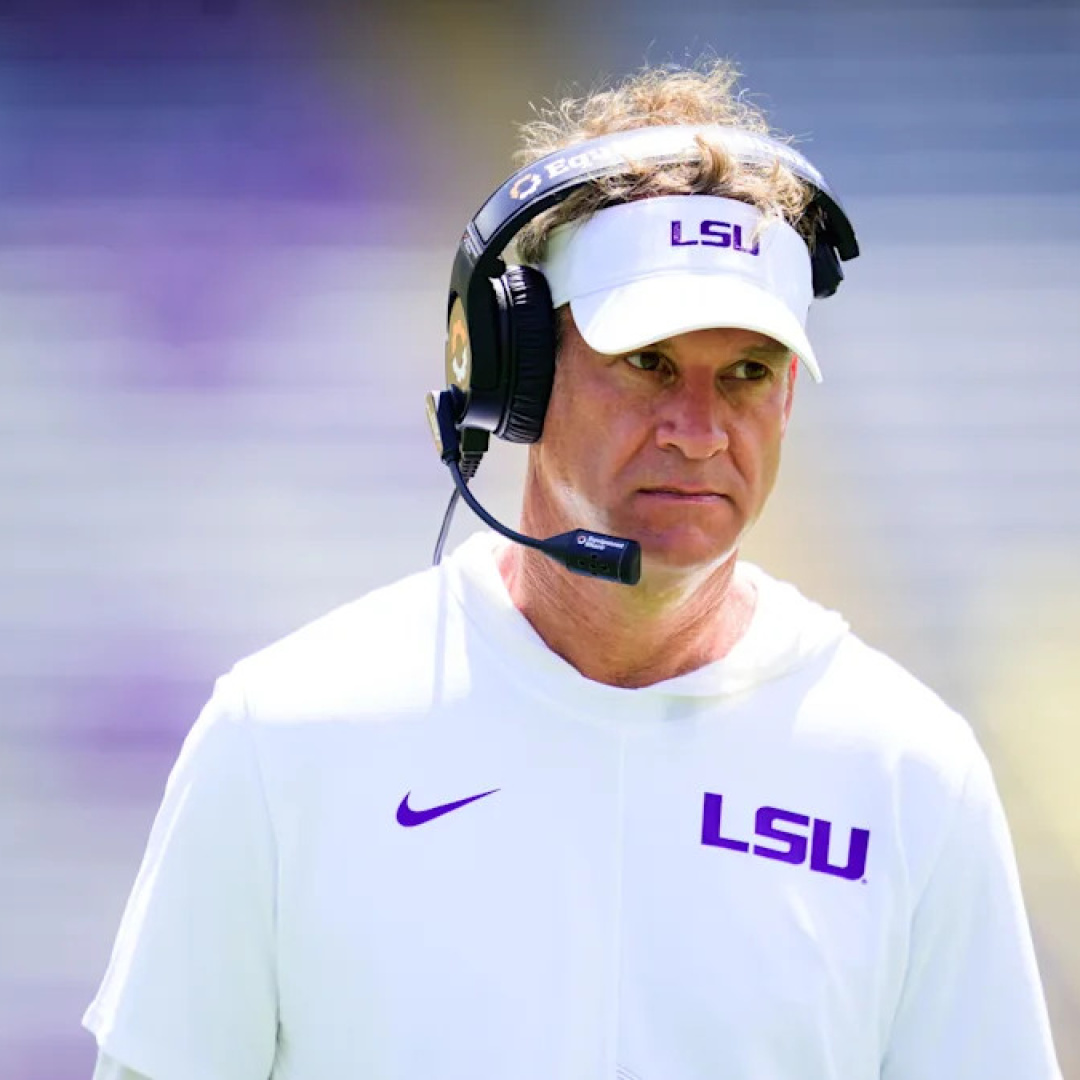
Michael Lombardi is no longer part of the North Carolina football program. The former NFL executive resigned from his position as the college program’s general manager, a role he held since joining the Tar Heels in 2025, just before head coach Bill Belichick's inaugural season. Lombardi's resignation was announced by the university on September 3, 2026, following a month of being placed on paid administrative leave amid an ongoing internal investigation.
The investigation, which began in late July, was initiated by the Office of University Counsel due to unspecified allegations against Lombardi. While the university has not disclosed the nature of these allegations, it confirmed that the investigation will continue despite Lombardi's departure. This situation raises significant concerns about the internal dynamics of the football program and the implications for Belichick's leadership.
Lombardi was one of Belichick's first hires at UNC and quickly became the highest-paid football operations executive in college football, earning an annual salary of $1.5 million. His role was pivotal in shaping the program's direction, and his exit could have far-reaching consequences for the Tar Heels as they navigate the challenges of the NCAA landscape.
Belichick's culture focus amid uncertainty
Belichick, who has been vocal about building a strong culture at UNC, commented on Lombardi's administrative leave during a press conference, indicating that the team was working through various issues. He emphasized the importance of focusing on the present while acknowledging that some matters would take time to resolve. This approach reflects Belichick's typical method of managing uncertainty, but the ongoing investigation casts a shadow over the program's future.
As the Tar Heels prepare for the upcoming season, the absence of Lombardi may impact their strategic planning and recruitment efforts. The team had a rocky start under Belichick, finishing his debut season with a 4-8 record, and Lombardi's resignation could complicate efforts to improve. The university's commitment to addressing the findings of the investigation will be crucial in determining the program's trajectory moving forward.
The internal investigation into Lombardi's conduct highlights the complexities of managing a college football program, especially one under the scrutiny of both the NCAA and public opinion. As the Tar Heels look to rebound from a challenging season, the leadership void left by Lombardi's resignation could hinder their progress. The university's next steps will be closely watched by fans and analysts alike, as they seek to restore stability and confidence in the program.