Aaron Rodgers' Revelations Raise Concerns for Steelers' Legacy
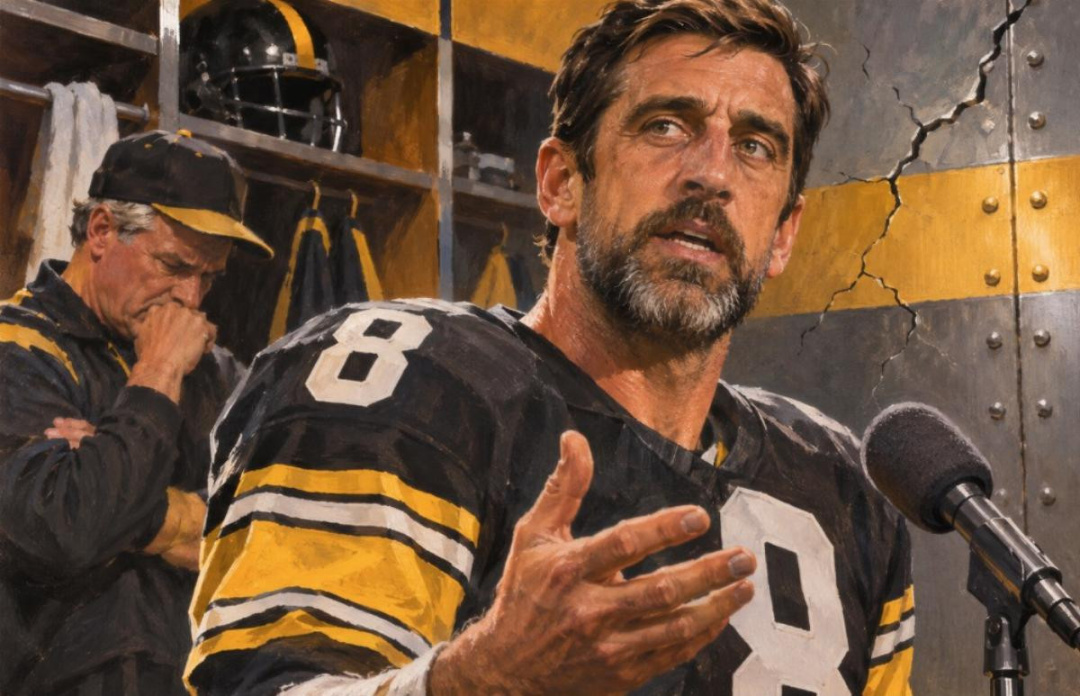
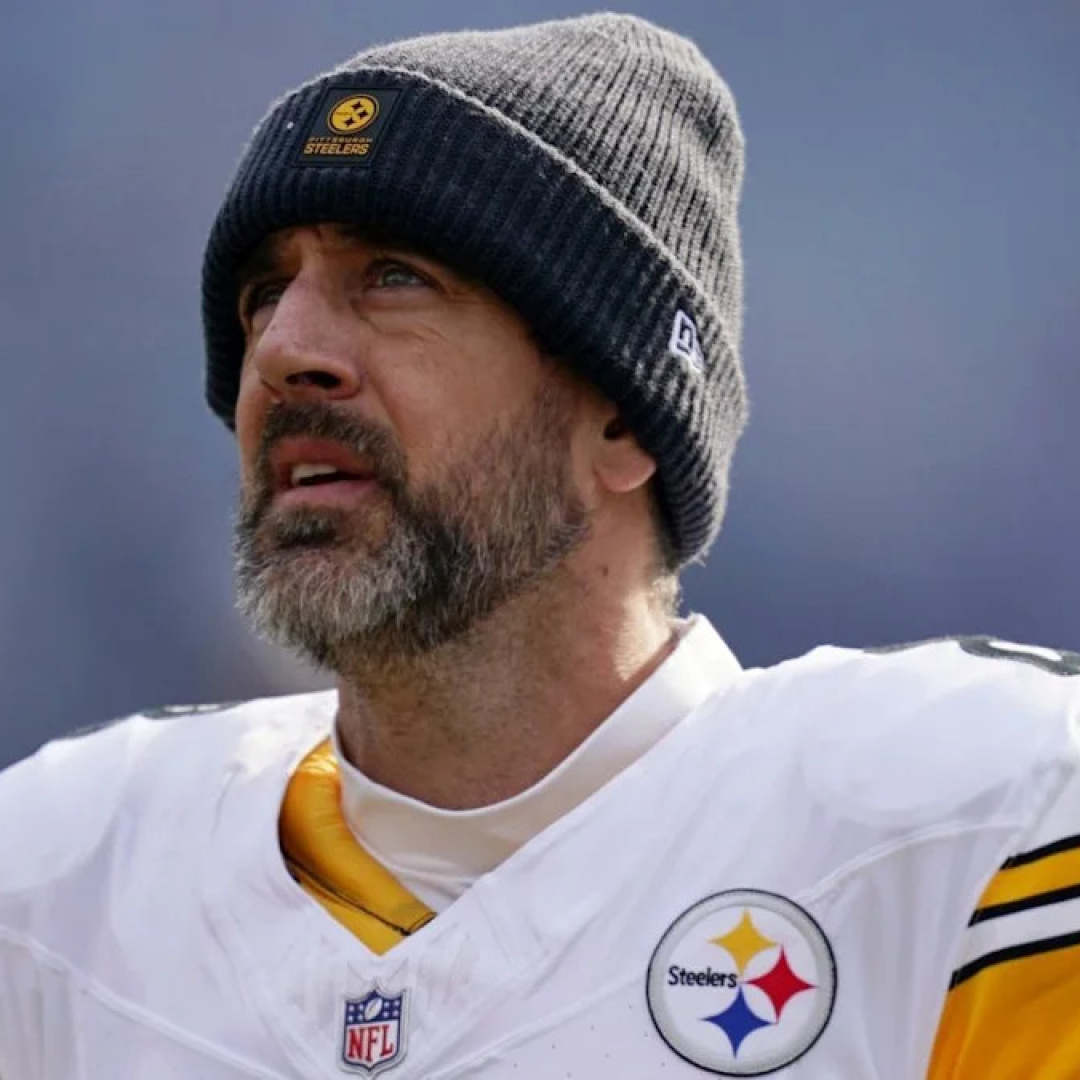
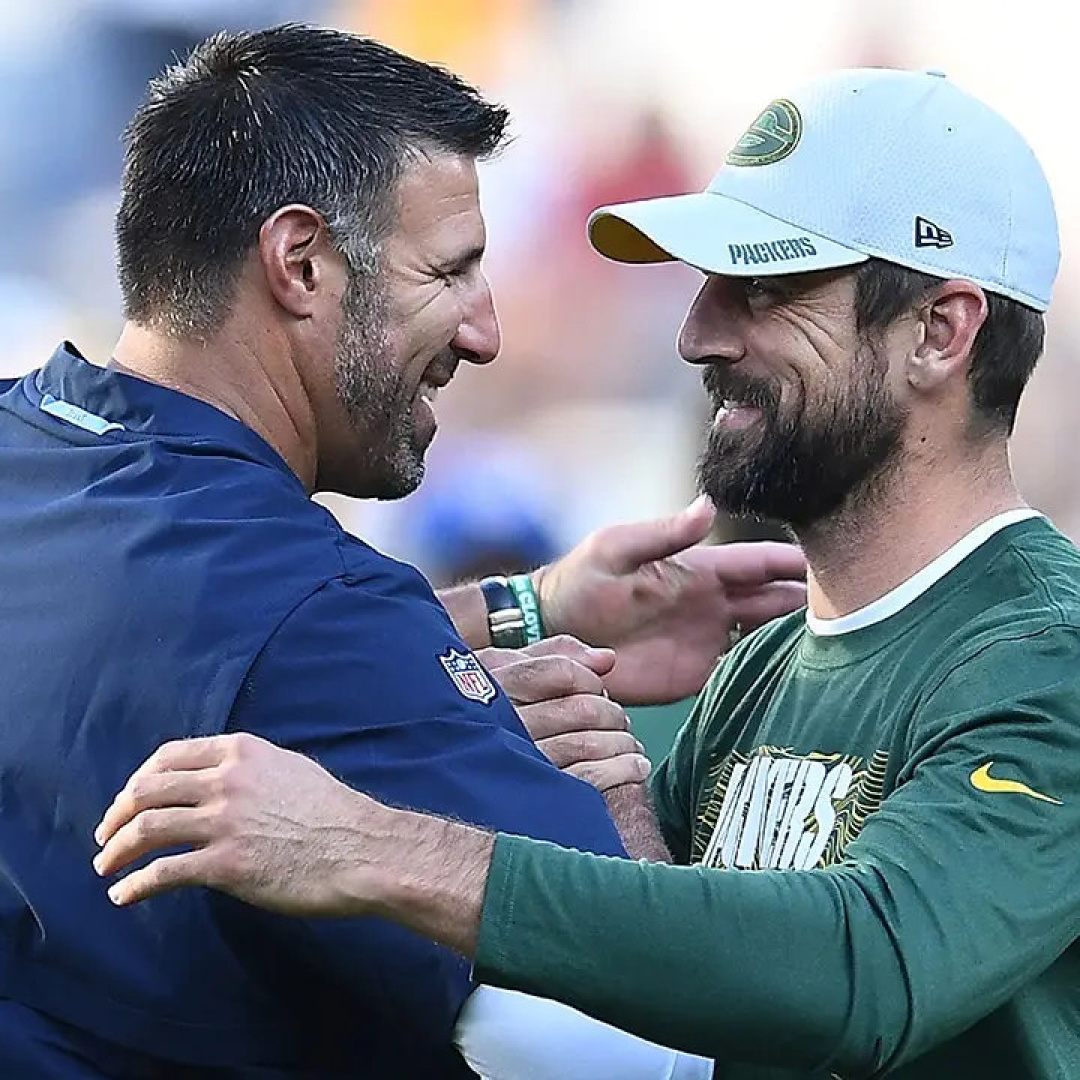
Aaron Rodgers' recent revelations during an interview on The Pat McAfee Show have sent shockwaves through the NFL, particularly concerning the Pittsburgh Steelers. His comments about head coach Mike McCarthy have ignited discussions about whether the Steelers are abandoning the foundational principles that have historically defined their success.
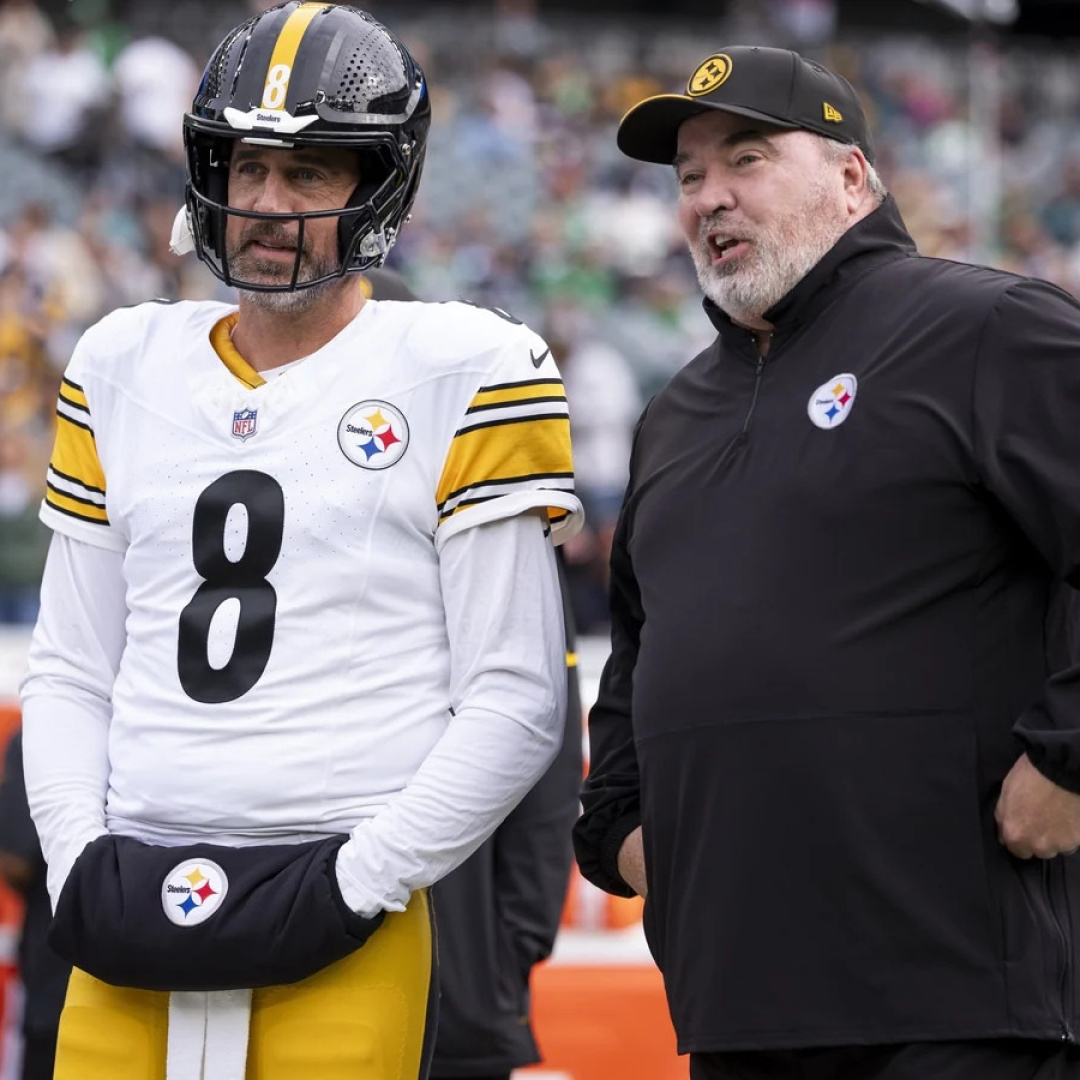
Rodgers, a four-time MVP and Super Bowl champion, shared insights that many in the league consider taboo, discussing the inner workings of the Steelers' locker room. He accused McCarthy of falling asleep during team meetings and failing to engage fully with the team, even referencing his previous experiences with the Green Bay Packers during a Steelers huddle. Such disclosures are typically kept under wraps in the NFL, where an unwritten code governs player conduct regarding locker room discussions.
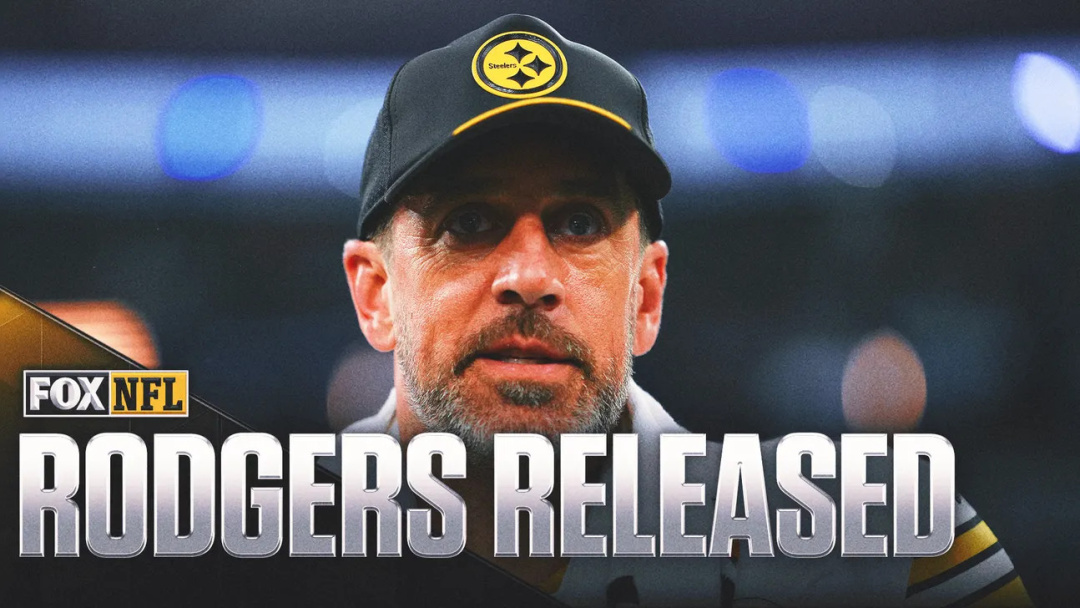
The fallout from Rodgers' comments was swift; he was released by the Steelers shortly after the interview aired. This decision underscores the franchise's commitment to maintaining its brand integrity and the sanctity of its locker room culture. The Steelers, known for their storied history and consistent success, have long been a model of stability in the NFL, with only four head coaches since 1969. However, the recent turmoil raises questions about the future of McCarthy and the team's direction.
Historically, the Steelers have thrived under a philosophy of continuity and patience, with legendary coaches like Chuck Noll and Bill Cowher leading the team to multiple championships. Noll, who transformed the franchise from a perennial loser into a powerhouse, emphasized the importance of building a strong foundation and fostering a cohesive team environment. The current situation, however, suggests a potential shift in this philosophy, as impatience with coaching tenures becomes more prevalent across the league.
The NFL has seen a significant increase in coaching turnover, with 10 teams hiring new coaches this season alone. This trend reflects a growing emphasis on immediate results, driven by analytics and performance metrics. The Steelers' management, while historically patient, may feel pressure to adapt to this new reality, especially if McCarthy's leadership is called into question.
Coaching stability under scrutiny in Pittsburgh
Rodgers' comments echo sentiments expressed by other athletes in various sports who have publicly aired grievances about their coaches. Hall of Famer John Elway and NBA legend Magic Johnson both faced similar situations, where their relationships with coaches deteriorated to the point of necessitating a change. In Pittsburgh, however, it was the quarterback who was let go, highlighting the franchise's prioritization of its coaching staff over individual players.
As the Steelers navigate this turbulent period, the implications of Rodgers' revelations extend beyond the immediate fallout. The franchise's commitment to its historical values will be tested as it seeks to maintain its competitive edge in an increasingly impatient league. The potential for a coaching carousel could destabilize a franchise that has thrived on consistency and stability.
The Final Whistle
The Steelers' management must now consider the long-term effects of their decisions. If they opt for a quick fix by cycling through coaches, they risk losing the very identity that has made them successful. The franchise's legacy is built on a foundation of strong leadership and a cohesive team culture, and any deviation from this path could lead to mediocrity.
In conclusion, the fallout from Rodgers' comments serves as a stark reminder of the delicate balance between player dynamics and coaching stability. The Steelers must navigate this challenge carefully, ensuring that they remain true to their roots while adapting to the evolving landscape of the NFL. The decisions made in the coming months will be crucial in determining whether the franchise can reclaim its status as a perennial contender or if it will succumb to the pressures of modern football.