Rodgers and McCarthy's Fallout Signals Change for Steelers
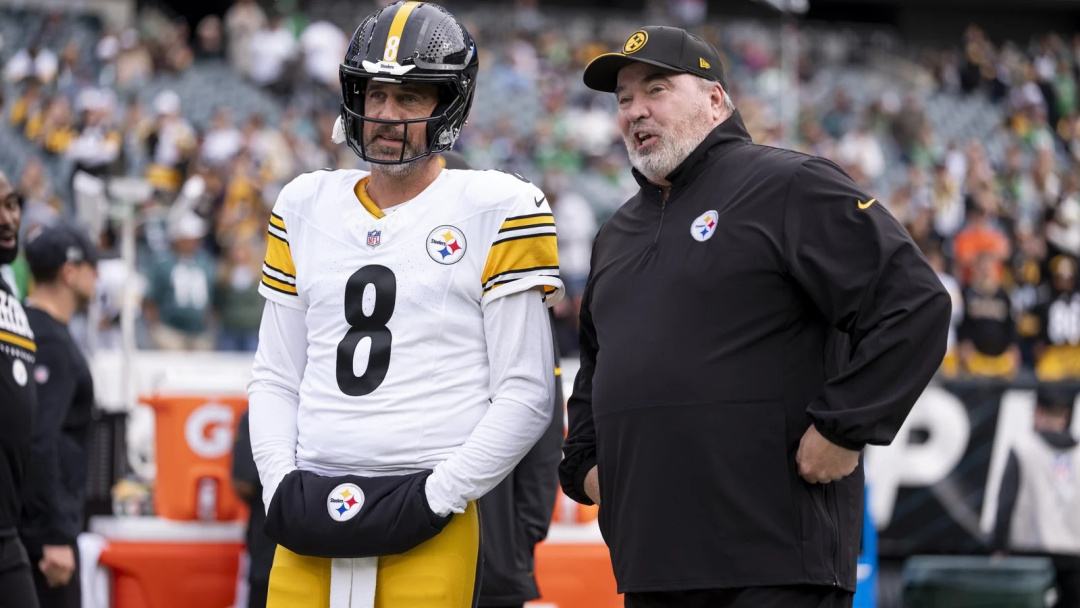
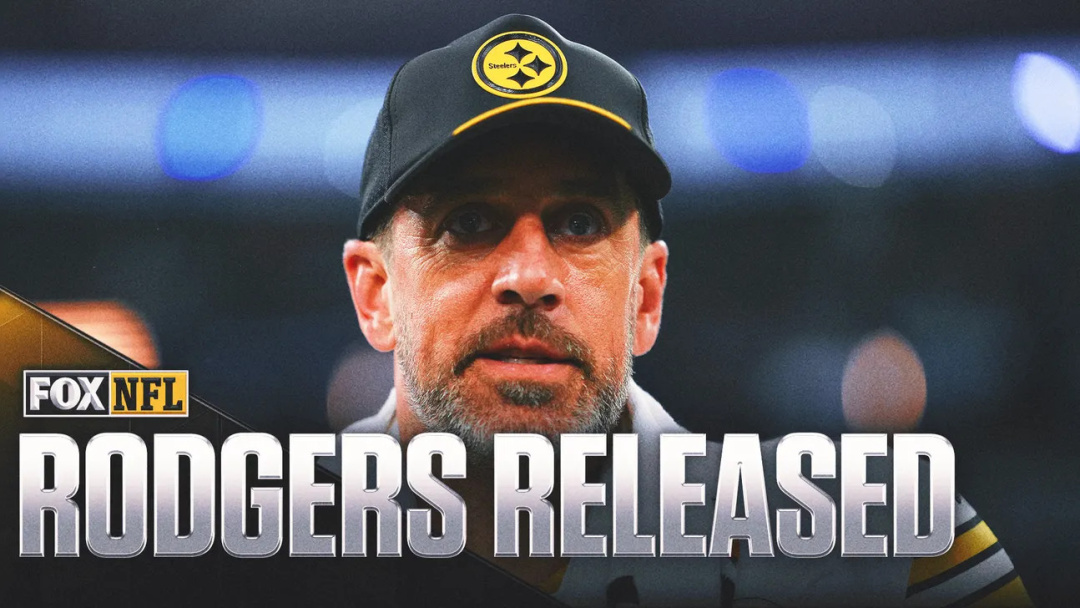
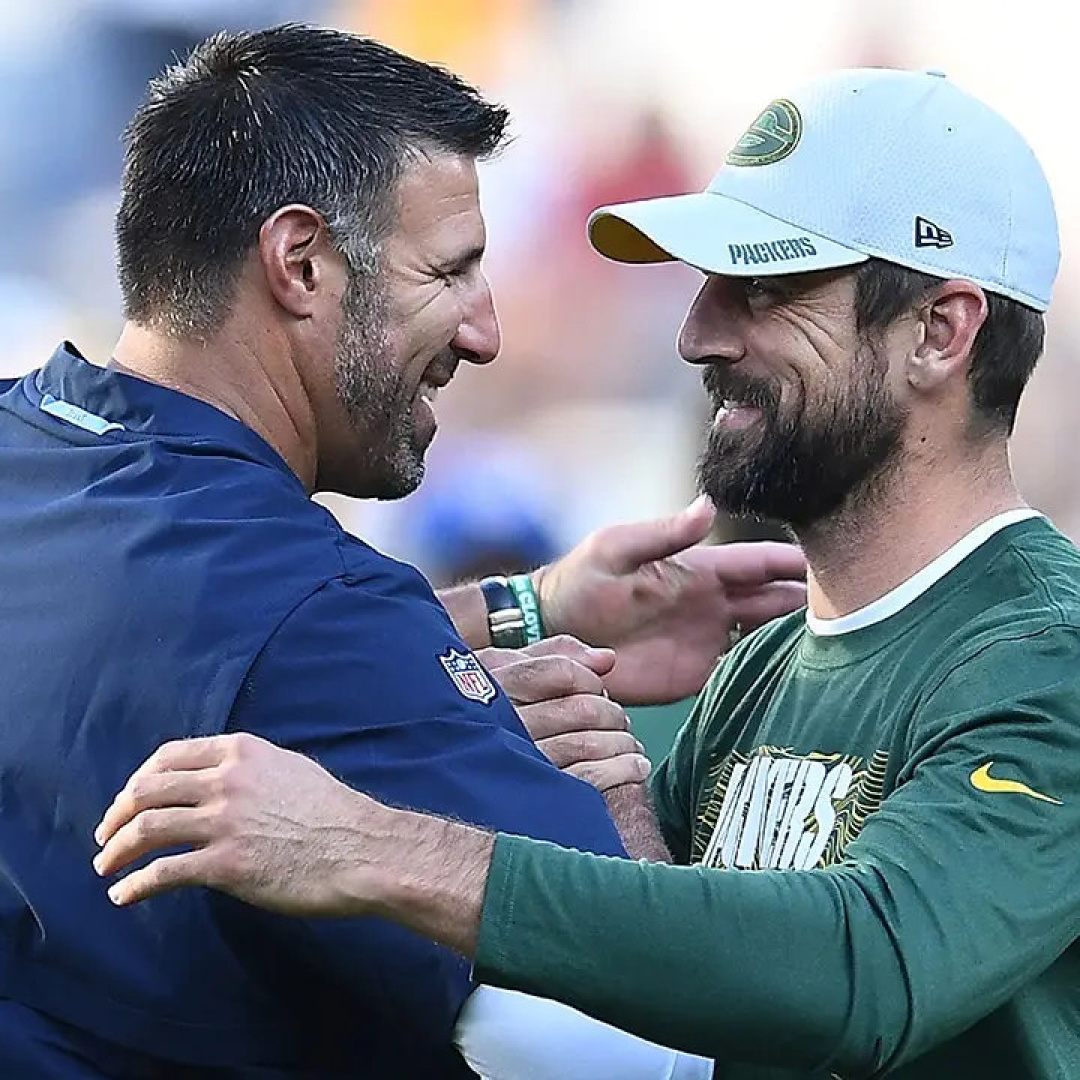
Thanksgiving is a time for family gatherings, but for the Pittsburgh Steelers, this year's holiday brought a dramatic rift between two figures who once considered each other family: quarterback Aaron Rodgers and head coach Mike McCarthy. The fallout unfolded publicly, culminating in the Steelers' decision to part ways with their four-time MVP quarterback after a heated disagreement over play-calling.
The tension reached its peak on Thanksgiving Eve when Rodgers learned of his benching not from the coaching staff but through a social media post by teammate Pat Freiermuth. In a move that shocked many, Rodgers took to the Pat McAfee Show, where he unleashed a barrage of criticism against McCarthy, alleging that the coach was "unwell" and had fallen asleep during team meetings. He also claimed that McCarthy had not been adequately preparing for opponents, even referencing a moment when McCarthy mistakenly invoked the Green Bay Packers during a halftime speech, despite having left the team in 2018.
Following this explosive appearance, the Steelers made the decision to release Rodgers, effectively ending what he had indicated would be his final season in the NFL. This decision is particularly striking given that Rodgers had previously supported McCarthy's hiring in the offseason, highlighting the rapid deterioration of their relationship. The duo had enjoyed considerable success together in Green Bay, including a Super Bowl victory in 2010, but their reunion in Pittsburgh quickly soured amid disagreements over offensive strategy.
Rodgers' frustration with McCarthy's play-calling became increasingly evident during the season, particularly in a Thursday night game against the Cleveland Browns in October. As the Steelers struggled, Rodgers began to take matters into his own hands, calling plays himself and favoring a passing game that often overshadowed the team's effective rushing attack.
Pressure mounts on coaching and leadership
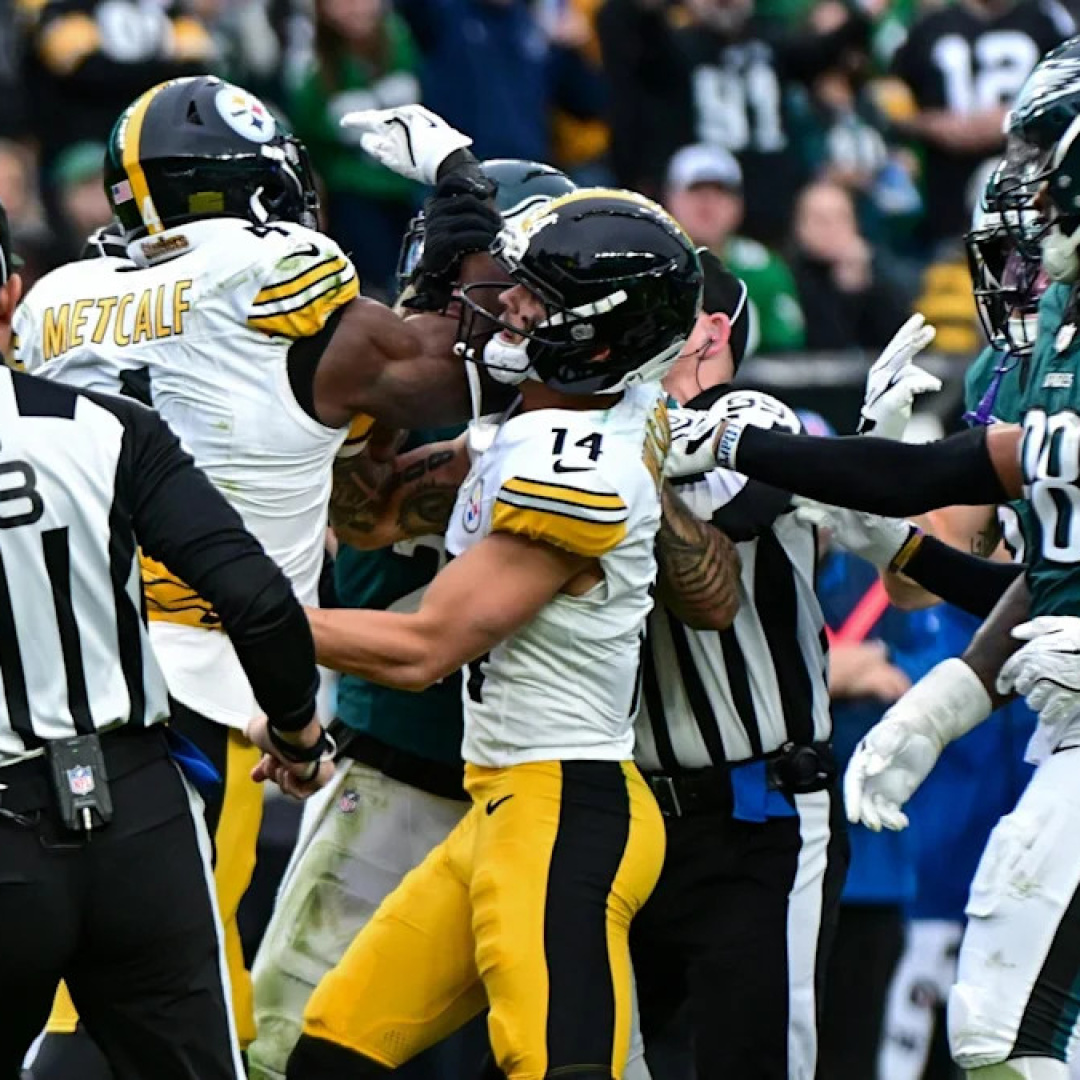
The Steelers' recent performances had hinted at the brewing discontent. After suffering consecutive losses to divisional rivals, including a particularly damaging defeat to the Philadelphia Eagles, the team's struggles were compounded by Rodgers leading the team in rushing yards against the Eagles, despite being a quarterback. This situation underscored the mounting pressure on both the player and the coach.
Neither Rodgers nor McCarthy can escape blame for the situation that unfolded. While Rodgers is undoubtedly a Hall of Fame quarterback, his performance has declined in recent years, and his outspoken nature has often been more of a hindrance than a help. McCarthy, on the other hand, has faced scrutiny for his coaching decisions, including the embarrassing "1, 2, 3 Packers" incident, which he acknowledged as a low point in his tenure.
What the Scoreboard Won't Tell You
As the Steelers move forward, they face a pivotal decision that extends beyond the departure of Rodgers. The franchise has long been known for its stability, having employed only four head coaches since 1969 and recording just one losing season since 2000. However, that consistency has not translated into playoff success in recent years, with the Steelers failing to win a playoff game since the 2016 season.
The initial successes of the Steelers in the 1970s came after years of struggle, and while this current roster is not in dire need of a complete overhaul, the departure of Rodgers and potentially McCarthy may serve as a wake-up call for the franchise. The Steelers must now reassess their direction and find a way to return to their Lombardi-winning ways, as they navigate the challenges ahead in a competitive NFL landscape.