Madden Iamaleava's Inexperience Shines Through in UCLA's Overtime Loss
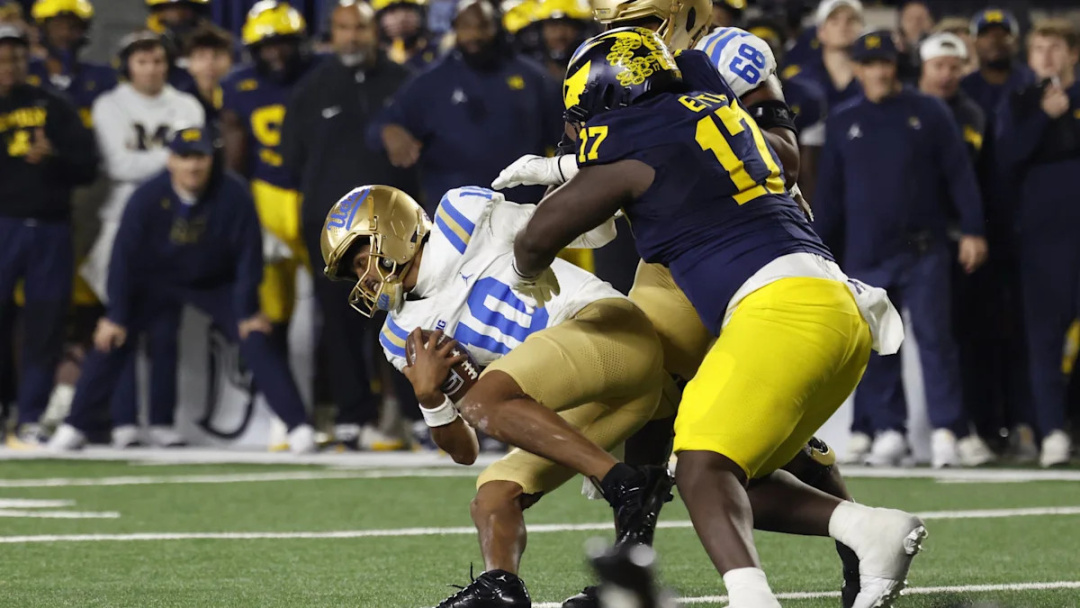
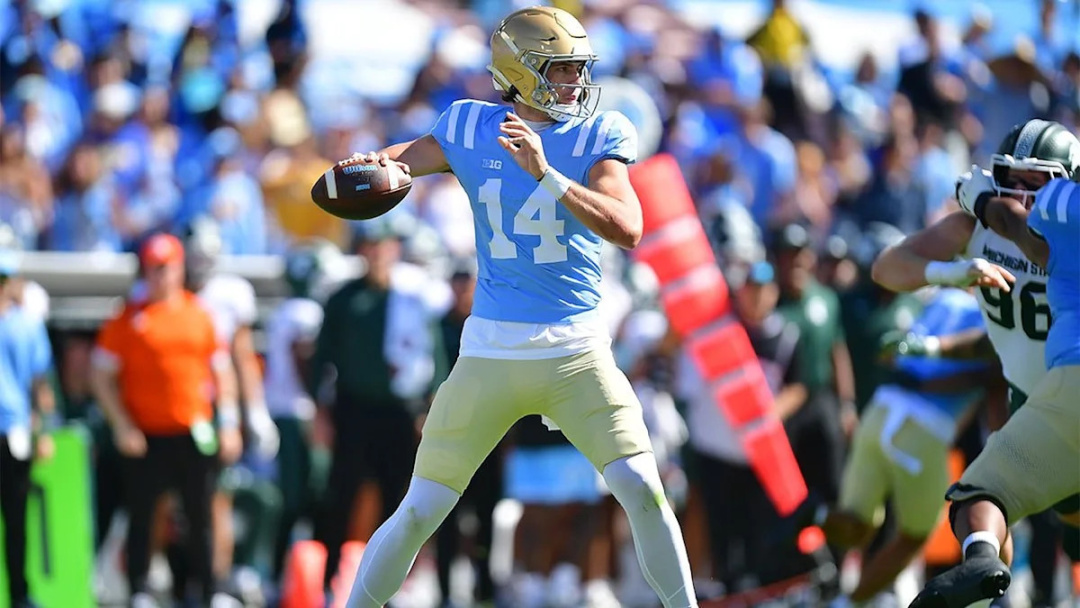
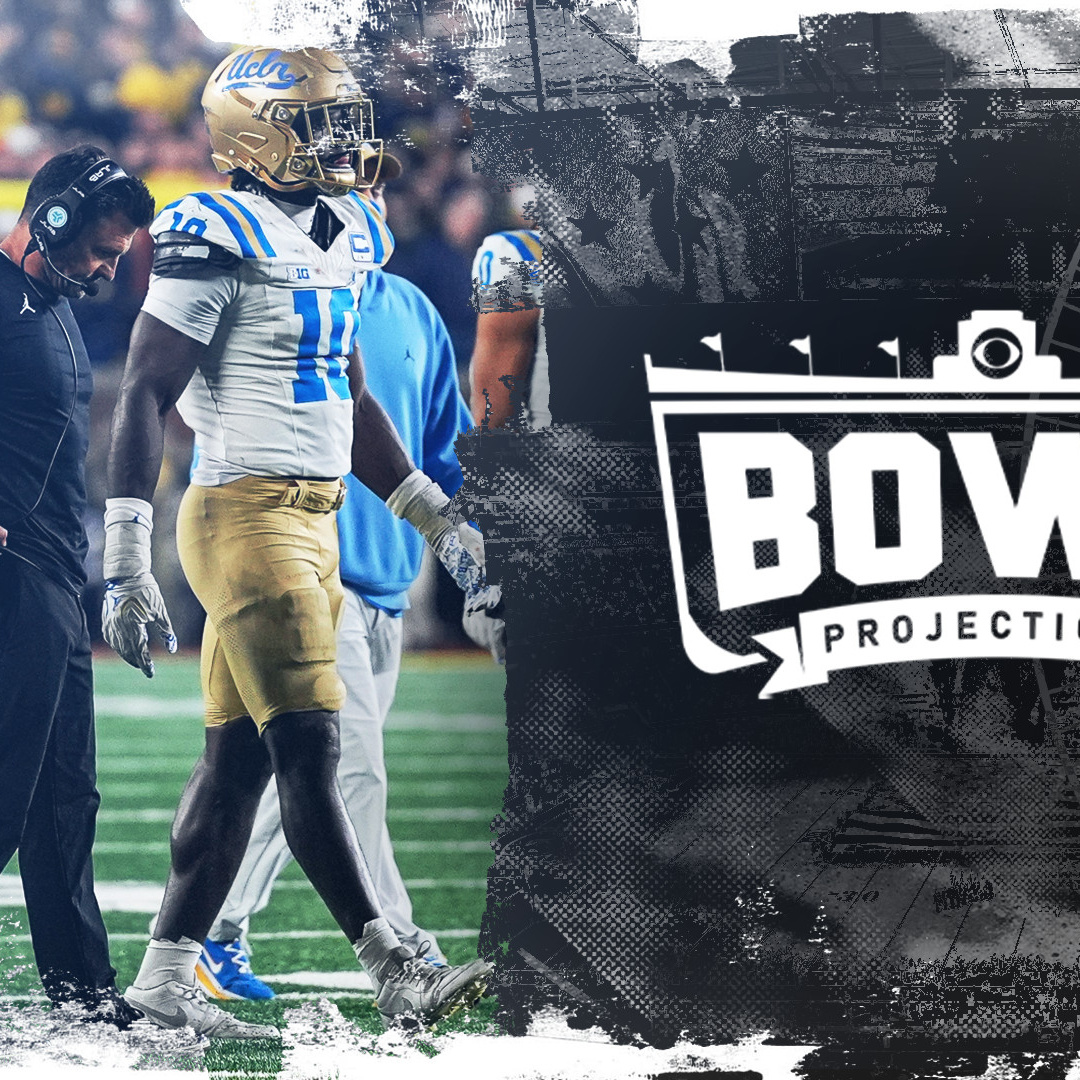
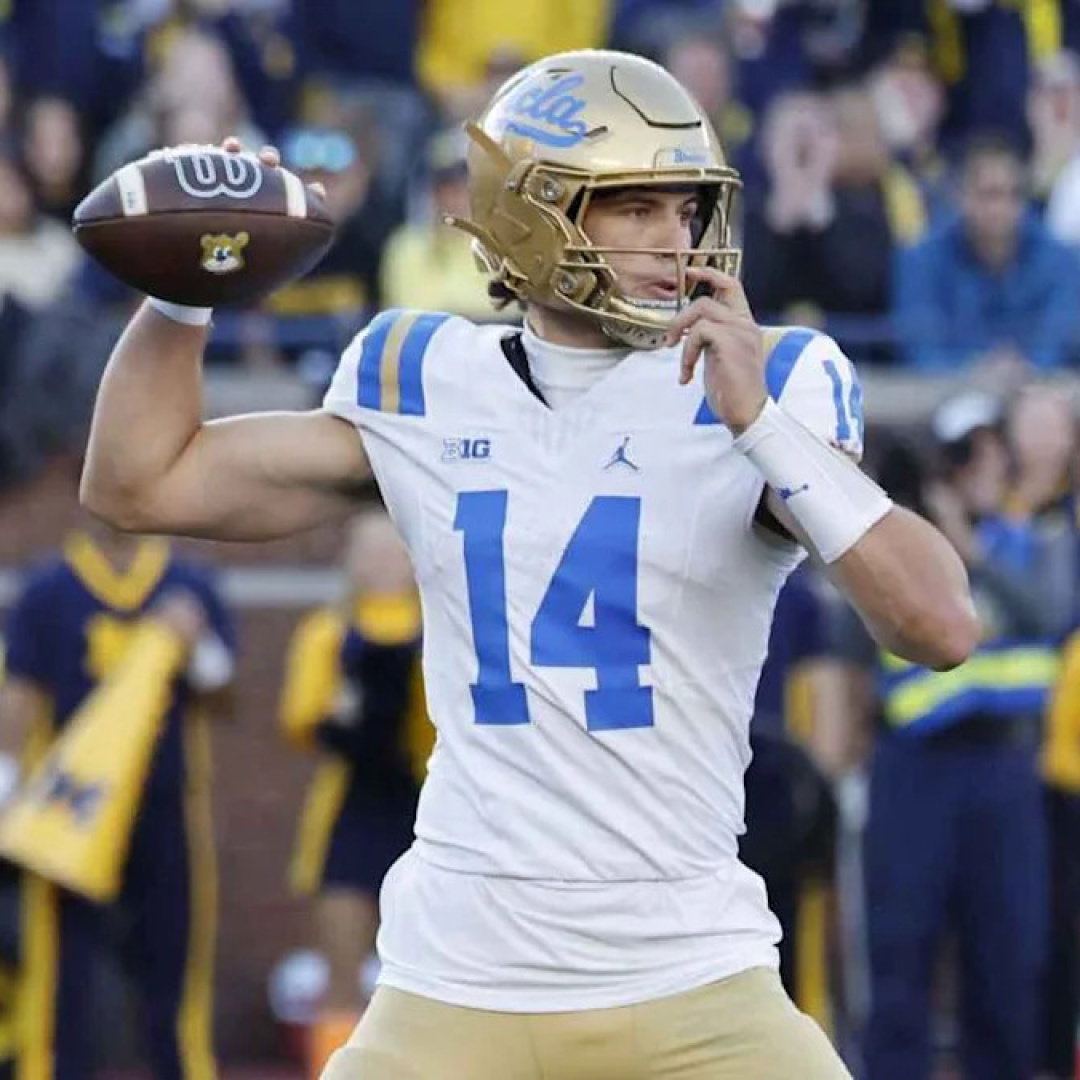
Madden Iamaleava found himself in a situation few young quarterbacks experience, thrust into the spotlight at Michigan Stadium during a critical moment for UCLA. With the Bruins' undefeated record and a potential Big Ten championship appearance on the line, Iamaleava was called upon in overtime after starting quarterback Ty Dieffenbach was carted off the field due to injury. The pressure was immense, and the stakes could not have been higher.
Unfortunately for Iamaleava, the moment proved overwhelming. He failed to complete his only pass attempt, managed just one yard on two rushing attempts, and struggled to make crucial decisions when it mattered most. In the decisive third overtime, he hesitated on a rushing opportunity, lost two yards, and failed to convert a two-point attempt, leading to Michigan's 18-16 victory and handing UCLA its first loss of the season.
The performance was painful to watch, but it also highlighted the unique challenges Iamaleava faced in his development as a quarterback. Despite entering UCLA as a highly touted four-star recruit, his path to college football has been anything but conventional. Unlike most quarterbacks who have the benefit of extensive high school playing time to hone their skills, Iamaleava's experience has been limited.
His high school career began at Warren High in Downey, California, where he showcased his talent by throwing for over 3,000 yards and 43 touchdowns as a junior. However, his senior season was cut short after just one game due to a transfer to Long Beach Poly, which was marred by eligibility issues stemming from a disagreement with the coaching staff at Warren. This lack of a full senior season deprived him of the opportunity to gain valuable experience and develop the instincts necessary to thrive under pressure.
When Dieffenbach went down, UCLA had no choice but to rely on Iamaleava, who had seen limited action throughout the season. The transition from practice to a high-stakes game is significant, and Iamaleava's inexperience was evident as he navigated a hostile environment and faced the pressure of making critical decisions with the game on the line. The Bruins managed to force overtime, but Iamaleava's struggles were a key factor in their inability to secure a win.
Iamaleava's struggles in overtime pressure
In the first overtime, UCLA managed to score a field goal, but the subsequent possessions saw both teams trading field goals, leading to the critical third overtime. Under the college football overtime rules, teams must attempt two-point conversions starting in the third overtime. Unfortunately for UCLA, Iamaleava's inability to find a lane resulted in a failed conversion attempt, while Michigan successfully converted theirs to clinch the game.
The box score reflects a dismal outing for Iamaleava: zero completions on one pass attempt and one net rushing yard. However, the real concern lies in how uncomfortable he appeared in such a pivotal moment. This was not merely a case of one bad play; it was a clear indication of an inexperienced quarterback struggling to perform in a high-pressure situation.
It is crucial to note that the loss cannot be placed solely on Iamaleava's shoulders. UCLA's offense struggled throughout the game, and Dieffenbach's injury created an incredibly challenging situation for the young quarterback. Nevertheless, the game exposed significant questions about Iamaleava's development and readiness for the rigors of college football.
No Points for Excuses
While he possesses the arm talent and pedigree to succeed, the lack of a traditional high school career has left him with a gap in experience that cannot be overlooked. Most quarterbacks benefit from a full senior season to refine their skills, face adversity, and learn how to respond under pressure. Iamaleava did not have that opportunity, and it showed when UCLA needed him most.
As UCLA looks to rebound from this loss, the coaching staff must consider how to best support Iamaleava's growth moving forward. He has the potential to become a productive college quarterback, but the experience and confidence gained from playing a full season are irreplaceable. The Michigan game served as a stark reminder that talent alone is not enough; experience is a critical component of success in college football.