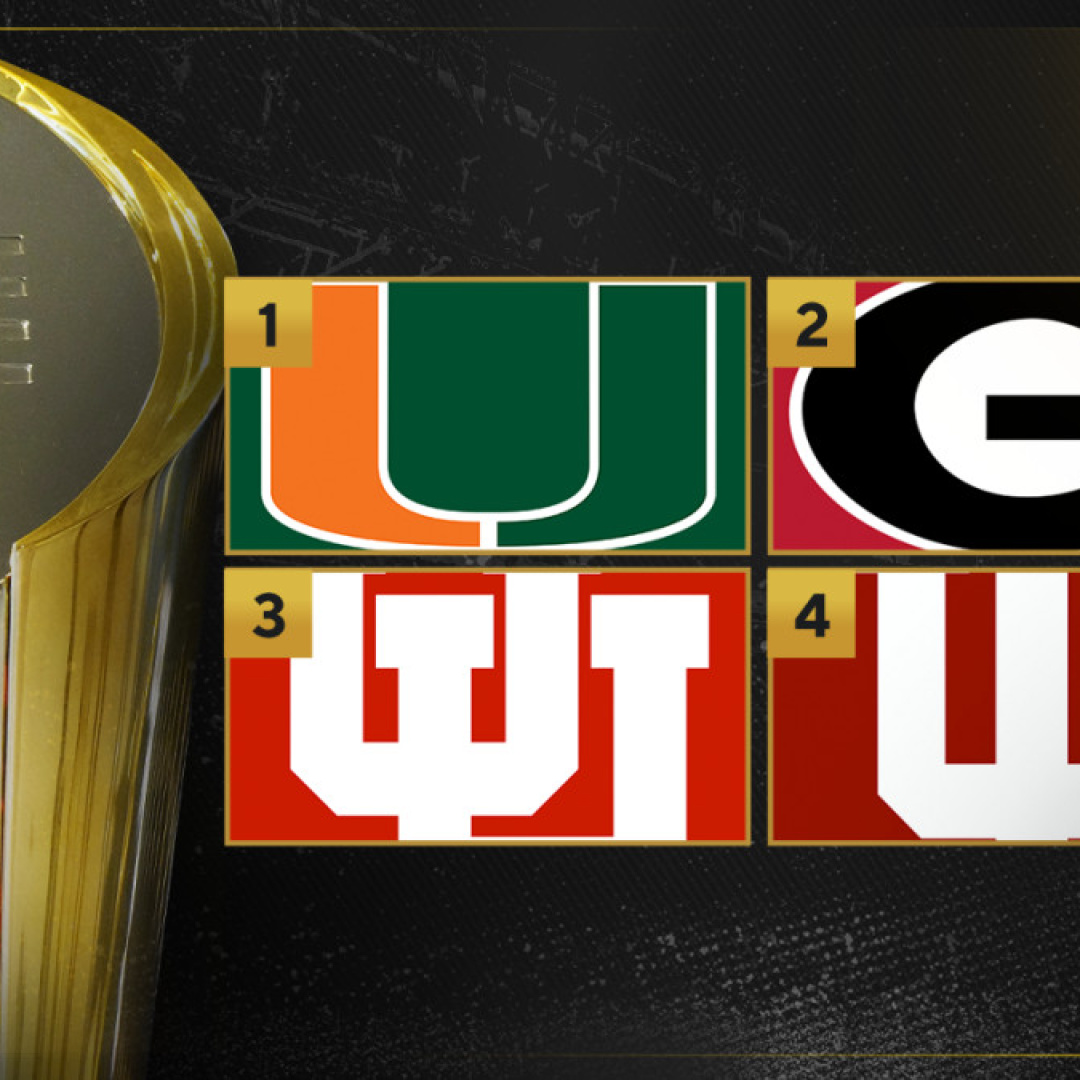
College Football Playoff rankings spark debate over bias and inconsistency
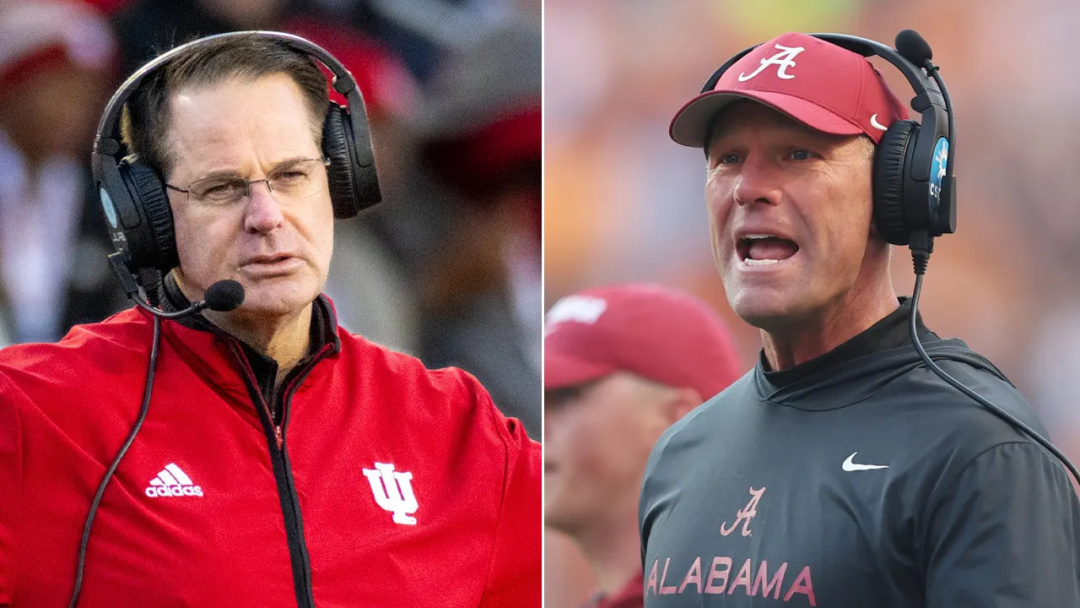
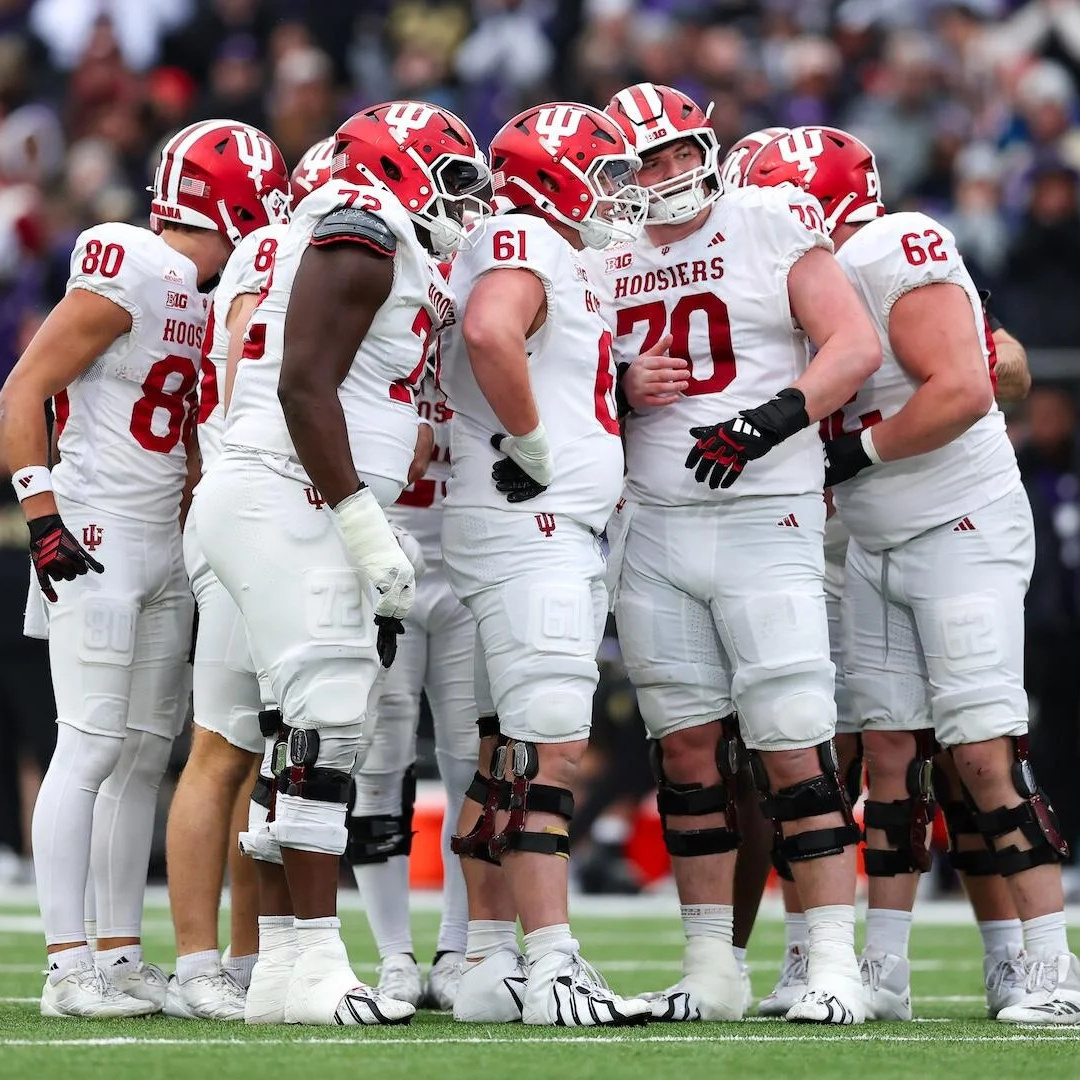
The College Football Playoff (CFP) selection committee has once again stirred the pot with its latest rankings, which have drawn scrutiny for their apparent inconsistencies. The Indiana Hoosiers, after a narrow overtime loss to the Washington Huskies, plummeted six spots in the rankings, while the Alabama Crimson Tide, who also faced a challenging week, only dropped three spots. This disparity raises questions about the criteria used by the committee and whether it applies its standards uniformly across different conferences.
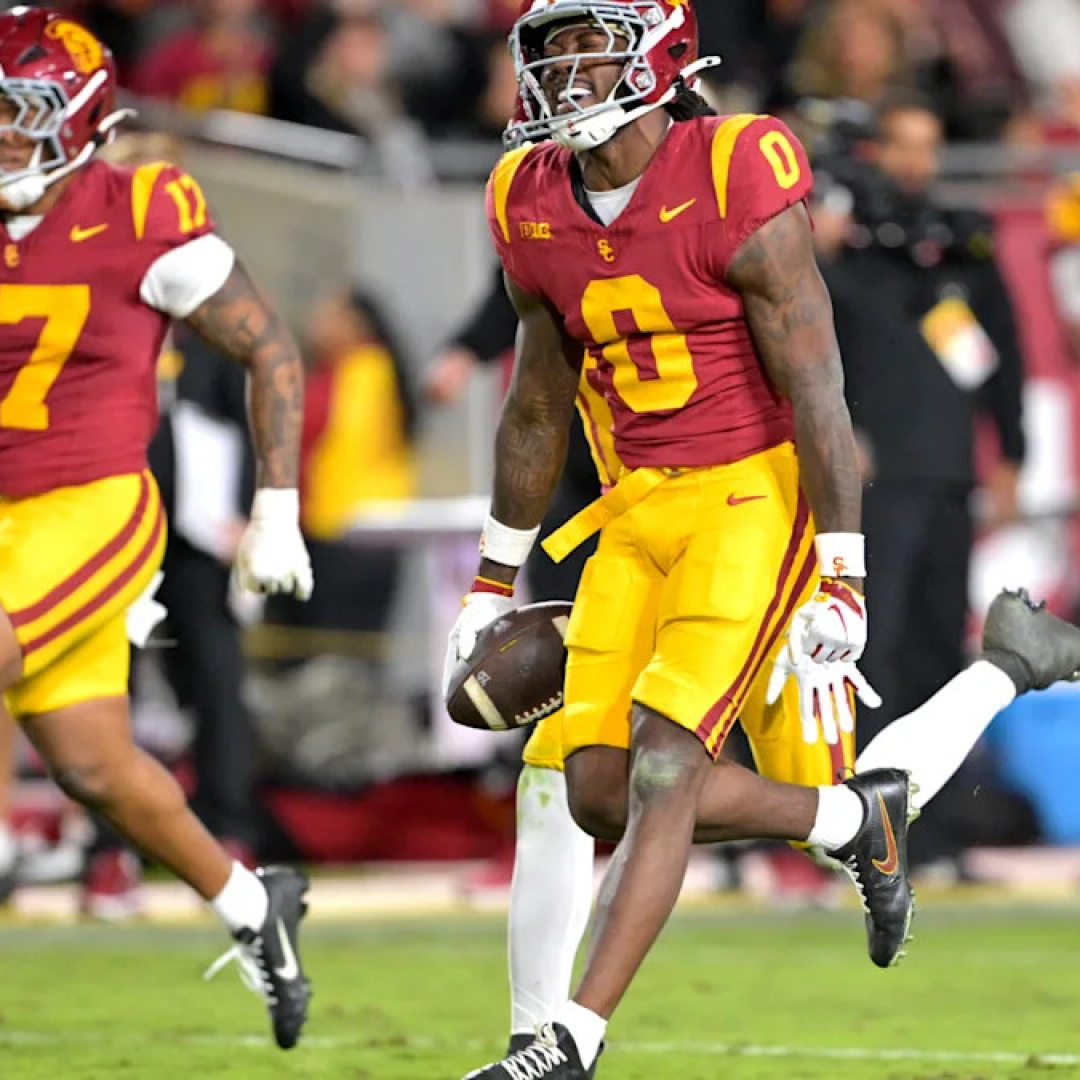
In the most recent update, the committee's handling of Indiana has been particularly perplexing. Just three polls ago, the Hoosiers were ranked No. 4, but after a bye week where they did not play, they fell to No. 9. The committee justified this drop by citing the losses of Indiana's Big Ten opponents, which supposedly weakened their strength of schedule. However, after Indiana defeated the then-No. 18 USC Trojans convincingly, they only moved up one spot to No. 8. Following their overtime loss to Washington, they found themselves at No. 14, a drop that seems disproportionate given their performance.
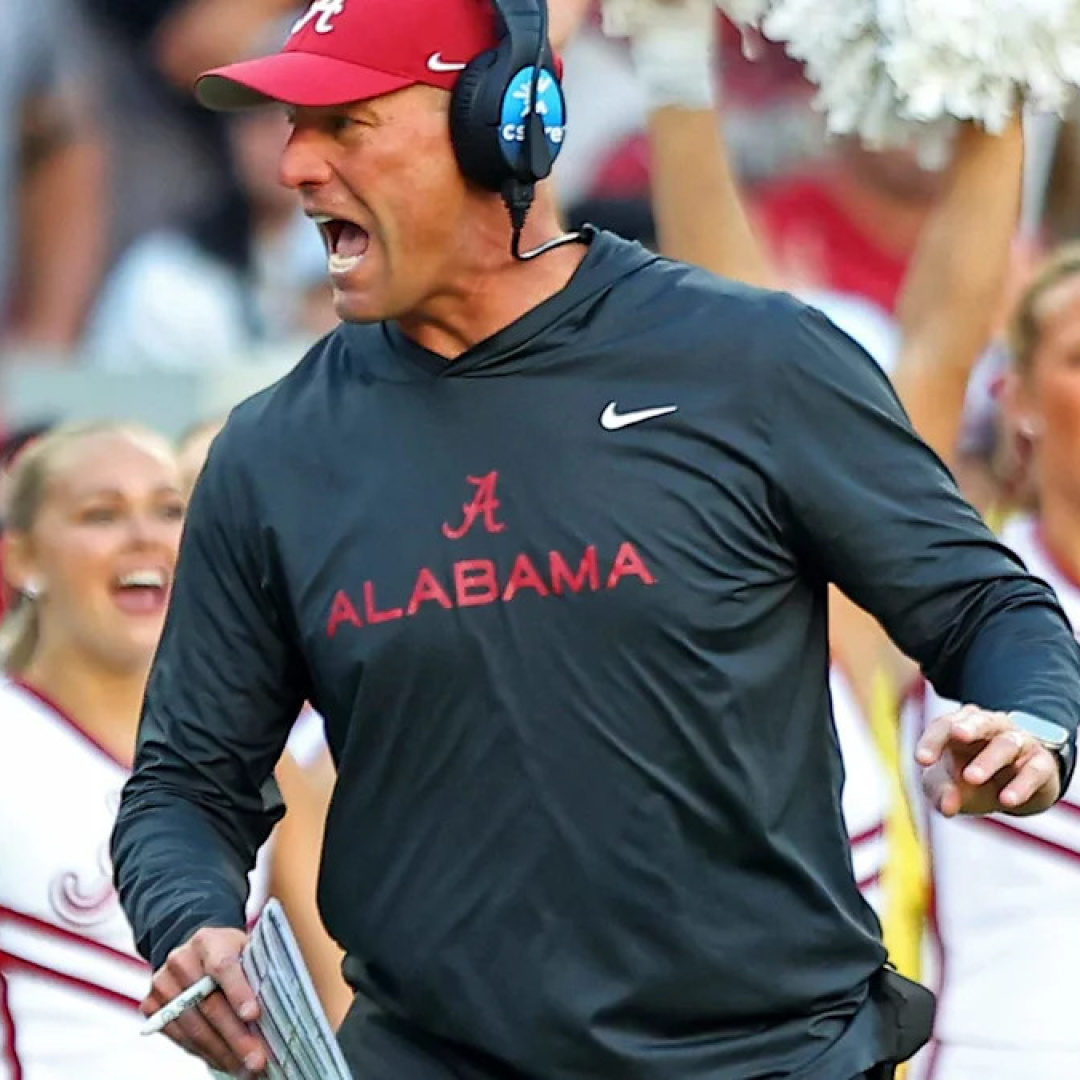
In contrast, Alabama's ranking remained relatively stable despite the losses of its SEC opponents. The Tide's wins over teams that lost in the same week did not seem to affect their standing, as they dropped just three spots to No. 6. This raises the question: why does Indiana's ranking fluctuate so dramatically while Alabama's remains relatively unscathed? The committee's logic appears to favor SEC teams, leading to accusations of bias.
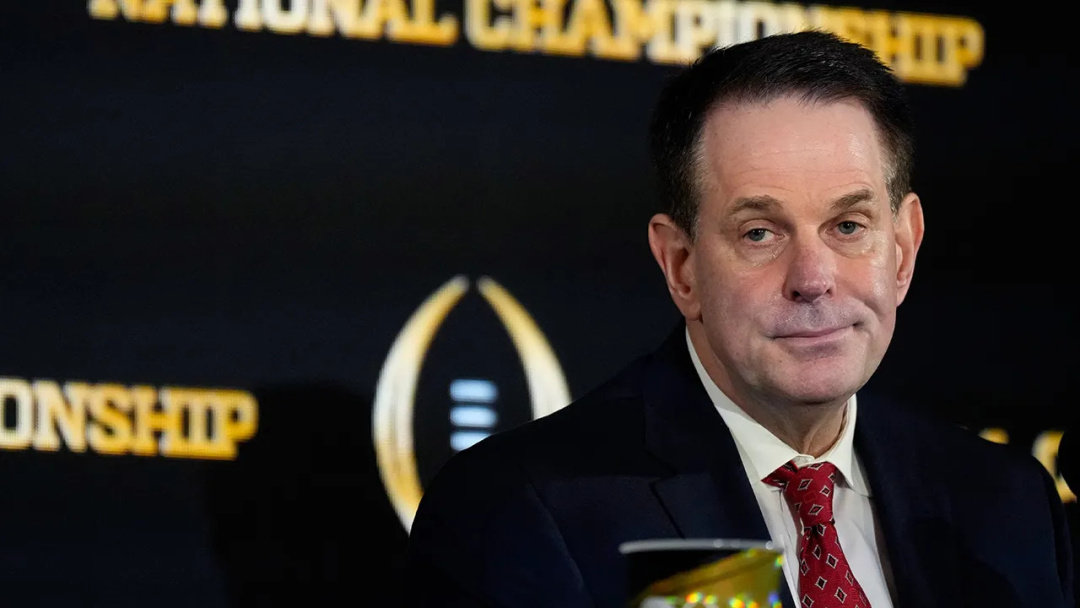
The inconsistency in rankings is not just about the numbers; it reflects a deeper issue regarding how the committee evaluates teams from different conferences. For instance, while Indiana has faced and defeated ranked opponents, Alabama's schedule has been deemed more favorable despite similar records. The committee's chair, Hunter Yurachek, attempted to explain the rationale behind the rankings, but his comments often seemed vague and unconvincing, further fueling the debate.
The implications of perceived bias in rankings
The implications of these rankings extend beyond mere numbers. They affect the perception of teams and their chances for playoff contention. The SEC's reputation often leads to a bias that favors its teams, regardless of their actual performance. This year, it appears that the Big Ten, with its strong middle class, may only secure one playoff spot, while the SEC could potentially claim four. This disparity raises concerns about the fairness of the selection process and whether the committee truly evaluates teams on their merits.
As the season progresses, the scrutiny on the CFP selection committee will only intensify. Fans and analysts alike will continue to question the logic behind the rankings, particularly as they relate to teams like Indiana, which have demonstrated resilience and capability against tough opponents. The ongoing debate highlights the need for a more transparent and consistent approach to ranking teams, one that fairly considers the complexities of each team's schedule and performance.
The Final Whistle
Ultimately, the current ranking system seems to favor perception over performance, leading to a situation where teams from certain conferences receive preferential treatment. As the playoff picture becomes clearer, the committee's decisions will be under the microscope, and the call for reform in how teams are evaluated will grow louder. The integrity of the College Football Playoff hinges on the fairness of its selection process, and without significant changes, the current controversies are likely to persist, leaving fans and teams alike frustrated with the system.