Colts release Daniel Jones after rejecting Ravens' trade offer
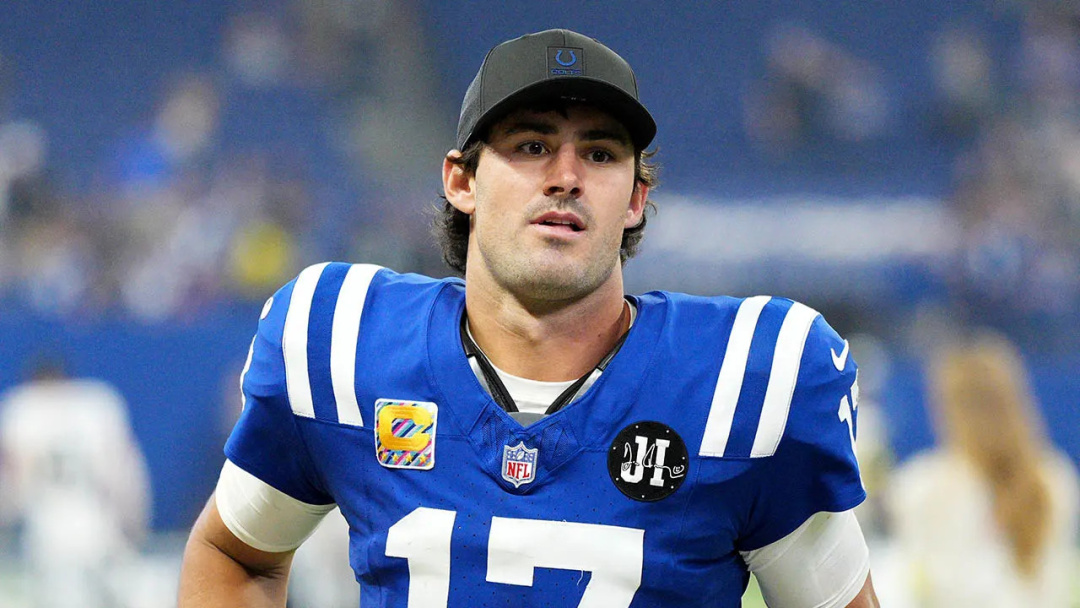
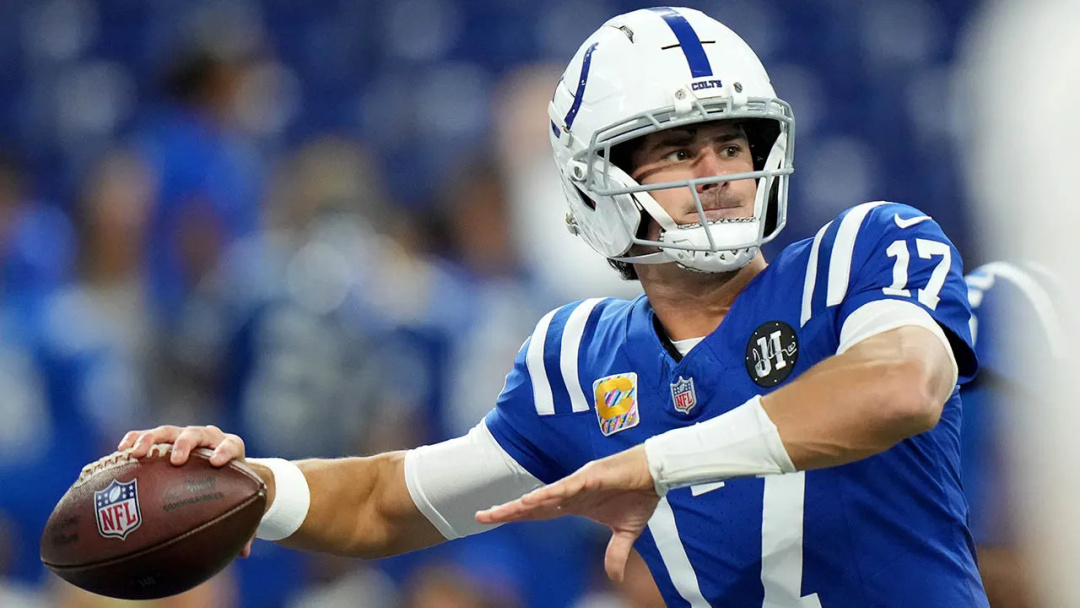
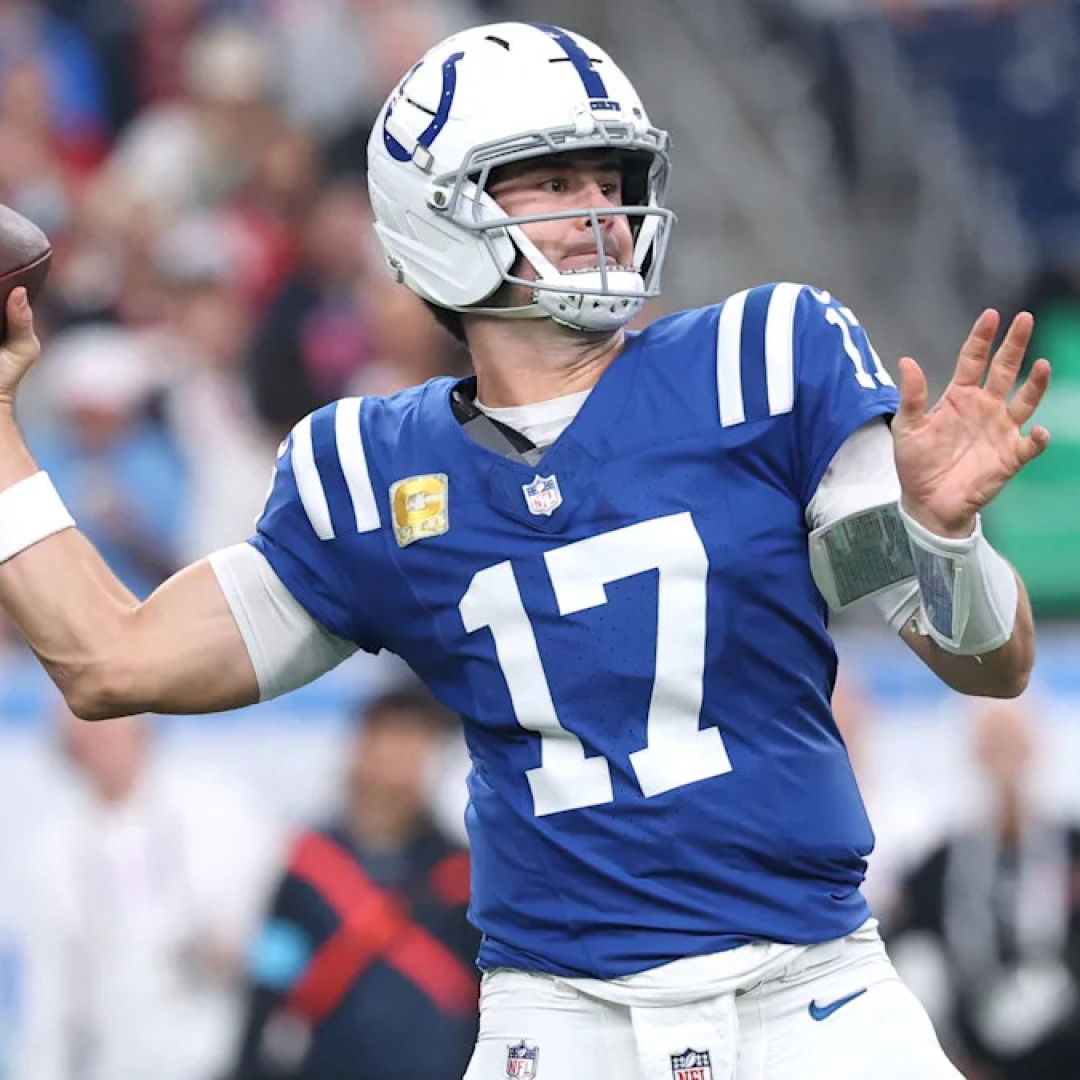
The Indianapolis Colts made headlines when they released quarterback Daniel Jones following a disappointing 26-3 loss to the Houston Texans. This decision shocked not only fans but also Jones himself, who had been assured just two weeks prior that he would remain with the team after the Colts turned down a trade offer from the Baltimore Ravens. The Colts' handling of this situation has raised eyebrows and highlighted potential mismanagement within the organization.
Jones was reportedly blindsided by the news of his release, which came as a surprise after the Colts had communicated their intention to keep him through the remainder of the season. This abrupt change in direction has left Jones in a precarious position, as he now awaits to see if he will be claimed off waivers or if he will have the opportunity to choose his next team if he clears waivers.
The trade offer from the Ravens, which included a fourth-round pick in 2027 in exchange for Jones and a fifth-round pick, was dismissed by the Colts as not being good enough. This decision seems increasingly questionable in hindsight, especially considering the Colts' subsequent choice to release Jones without receiving any compensation. The Ravens, after failing to acquire Jones, opted to trade for Arizona quarterback Jacoby Brissett instead, further emphasizing the Colts' missed opportunity.
Scrutiny of Colts' trade deadline strategy
The Colts' strategy leading up to the trade deadline has come under scrutiny. While they decided against trading Jones due to perceived inadequate value, they proceeded to trade away key players, including offensive lineman Quenton Nelson and receivers Josh Downs and Keenan Allen. This contradictory approach raises concerns about the team's overall direction and decision-making process.
That's the Call
The Colts' management has faced criticism from NFL executives, who have noted the team's lack of cohesion and clarity in their personnel decisions. By choosing to keep Jones while dismantling the roster around him, the Colts have created a situation where they are now left without their starting quarterback and without the potential draft capital they could have gained from a trade.
As the Colts navigate this tumultuous period, the implications of their decisions will be felt both on and off the field. With Jones now a free agent, the team must reassess their quarterback situation and consider how to rebuild a competitive roster moving forward. The fallout from this episode serves as a reminder of the complexities and challenges inherent in NFL team management, particularly when it comes to balancing player retention with strategic trades.