Cam Newton Rejects Backup Role, Citing Legacy Concerns
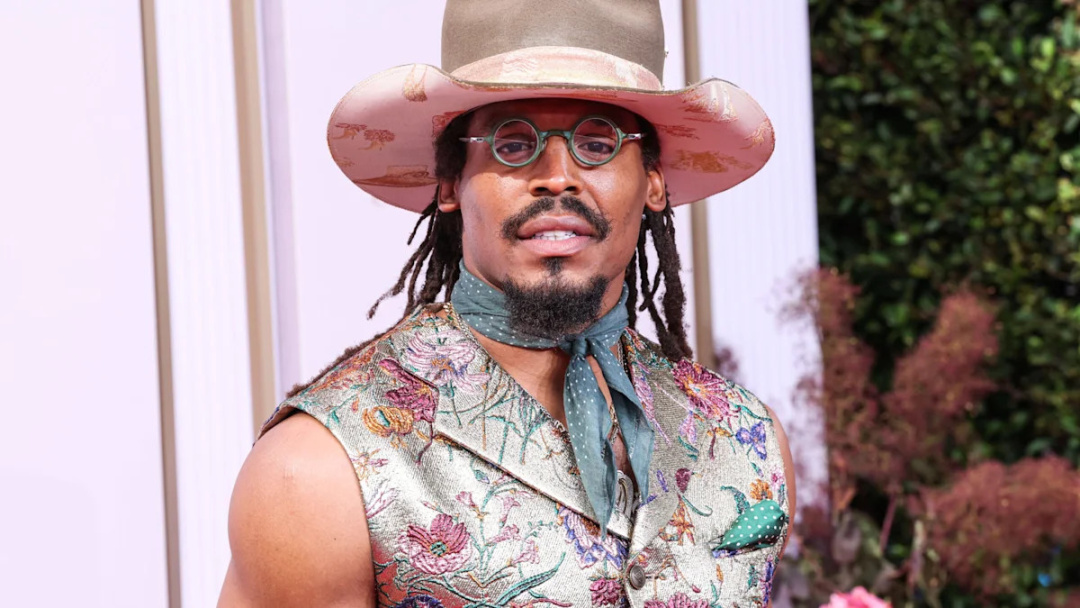
Cam Newton has made headlines again, this time for his decision to reject a backup quarterback role in the NFL, citing concerns about his legacy. Speaking on his podcast, 4th&1 with Cam Newton, he expressed his reluctance to accept a position that would not allow him to compete for a starting job. "We’re talking about the Odell Beckham," Newton stated, highlighting the importance of maintaining respect and standards for his career. This stance is particularly notable given the trajectory of his career, which saw him rise to prominence as the first overall pick in the 2011 NFL Draft and the 2015 MVP, before injuries and team changes altered his path.
Newton's career has been marked by significant highs and lows. After spending the majority of his career with the Carolina Panthers, where he became one of the league's most recognizable faces, injuries began to take their toll in 2018 and 2019. The Panthers ultimately released him in 2020, a move that coincided with a shift in the NFL's approach to veteran quarterbacks. While many of his peers, such as Jameis Winston and Andy Dalton, accepted backup roles to extend their careers, Newton remained steadfast in his belief that he could still compete as a starter.
In 2020, after a lengthy period without a contract, Newton signed with the New England Patriots on a one-year deal. However, his performance was underwhelming, as he threw for just 2,657 yards and eight touchdowns, marking one of the lowest outputs of his career. Despite this, Newton maintained that he had starting talent and was not ready to settle for a backup position. His comments during a 2021 interview with WEEI in Boston reflected his uncertainty about the future, stating, "Honestly, it’s too early to tell. Do I think I have starting talent? Absolutely."
As he reflects on his career, Newton's decision to reject a backup role resonates with a growing trend among former franchise quarterbacks. Many, including Ryan Tannehill and Matt Ryan, have chosen to step away from the game rather than accept a diminished role that could tarnish their legacy. This mindset underscores a broader cultural shift in the NFL, where teams increasingly favor younger, cheaper quarterbacks while veteran stars grapple with their place in the league.
The evolving role of veteran quarterbacks
Newton's situation is further complicated by the current struggles of Odell Beckham Jr., who has faced his own challenges with the Minnesota Vikings. Beckham's limited playing time and recent release from the active roster highlight the precarious nature of NFL careers, especially for players who once held star status. As Newton continues to assert his desire to be a starter, it raises questions about the future of veteran quarterbacks in a league that is rapidly evolving.
Ultimately, Newton's choice to prioritize his legacy over a backup role reflects not only his personal values but also the changing landscape of the NFL. As teams look to build around younger talent, the pressure on established players to adapt to new roles becomes increasingly pronounced. For Newton, the decision to hold out for a starting position may be a gamble, but it is one he feels is necessary to preserve the image he has cultivated throughout his career.
The Final Whistle
As the NFL continues to evolve, the dynamics surrounding veteran quarterbacks are shifting. The league's increasing focus on cost-effective roster construction has led to a preference for rookie quarterbacks and affordable veteran mentors, leaving little room for aging stars who refuse to accept backup roles. This trend is evident in the choices made by players like Newton, who are unwilling to compromise their competitive spirit for a place on the roster. The implications of these decisions extend beyond individual careers, influencing team strategies and the overall landscape of the league. As Newton's story unfolds, it serves as a reminder of the challenges faced by former stars in a league that is constantly looking to the future.
In conclusion, Cam Newton's rejection of a backup role underscores the complexities of legacy and career choices in the NFL. As he navigates the uncertain waters of his professional future, his stance reflects a broader narrative about the value placed on competitive integrity and the challenges faced by veteran players. With the league's landscape continually shifting, Newton's journey will be closely watched as it highlights the ongoing struggle between ambition and acceptance in the world of professional football.