Spain's Firm Stance on Hosting the 2030 World Cup Final
The Royal Spanish Football Federation (RFEF) has taken a strong stance regarding the allocation of matches for the upcoming 2030 World Cup, asserting that the final must be held in Spain. According to Cadena SER's El Larguero program, the federation has labeled this demand as a "red line," indicating that no alternative venue outside of Spain will be considered for the prestigious match.
During a recent official visit by FIFA representatives to Madrid, RFEF president Rafael Louzán and his team delivered a clear message: the final will take place on Spanish soil. This firm position reflects Spain's ambition to showcase its footballing heritage on the world stage, especially given the historical significance of hosting such a monumental event.
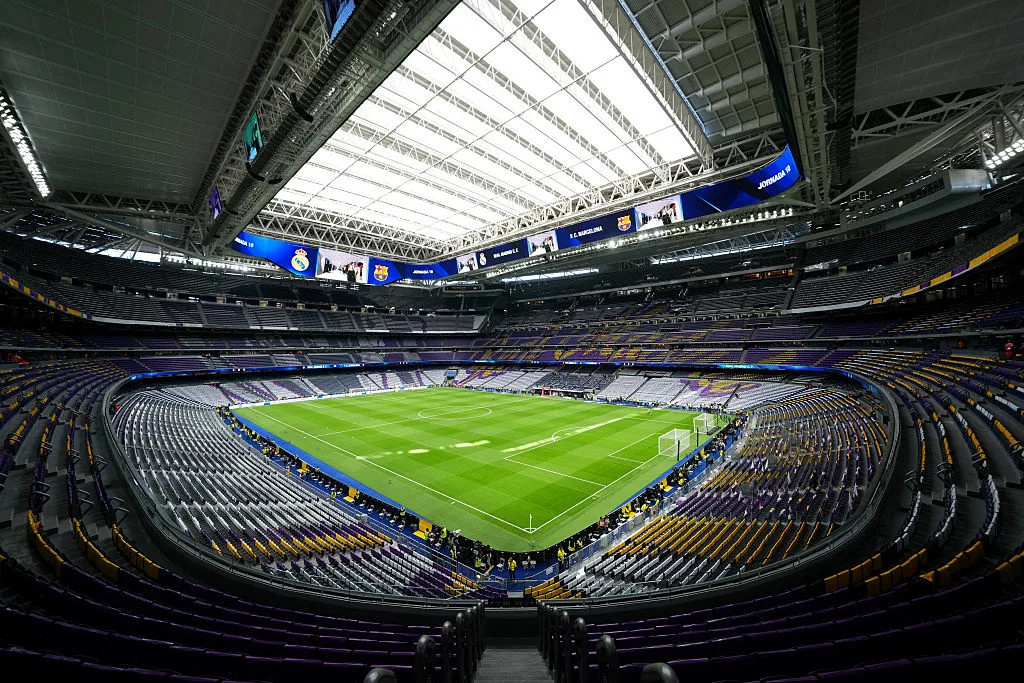
In technical meetings held at the iconic Bernabéu Stadium, Spanish officials demonstrated that the venue meets all necessary requirements for hosting the final. They presented comprehensive security plans, infrastructure details, and funding assurances that addressed initial concerns raised by FIFA's international inspectors. The RFEF's confidence in the Bernabéu's capabilities underscores Spain's commitment to ensuring a successful World Cup.
However, FIFA has expressed reservations regarding local regulations, taxes, and existing legislation in some candidate cities. The governing body has warned that it may reconsider the selection of host venues if administrative obstacles persist. This situation presents a unique opportunity for cities like Valencia and Vigo, with the Mestalla Stadium emerging as a strong contender for inclusion in the final list of venues.
Navigating uncertainties in venue selection
The final decision on host venues is expected to be announced before the summer of 2027, although the specific location for the World Cup final may not be confirmed until late 2027. This timeline adds an element of uncertainty to Spain's aspirations, as the federation navigates the complexities of international negotiations while maintaining its firm stance.
What the Scoreboard Won't Tell You
Spain's insistence on hosting the final reflects not only national pride but also strategic considerations in the realm of international football. By securing the final, Spain aims to enhance its global football reputation and attract tourism and investment. The RFEF's approach signals a broader trend in which host nations are increasingly assertive in negotiations with FIFA, seeking to maximize the benefits of hosting such a high-profile event.
As the landscape of international football evolves, Spain's position may influence how future World Cup bids are structured. The federation's determination to keep the final within its borders could set a precedent for other nations, emphasizing the importance of local support and infrastructure readiness in the bidding process. Ultimately, Spain's negotiations with FIFA will not only shape the future of the 2030 World Cup but also redefine the dynamics of international football governance.