Gotham FC's Venue Switch Highlights NWSL's Logistical Struggles
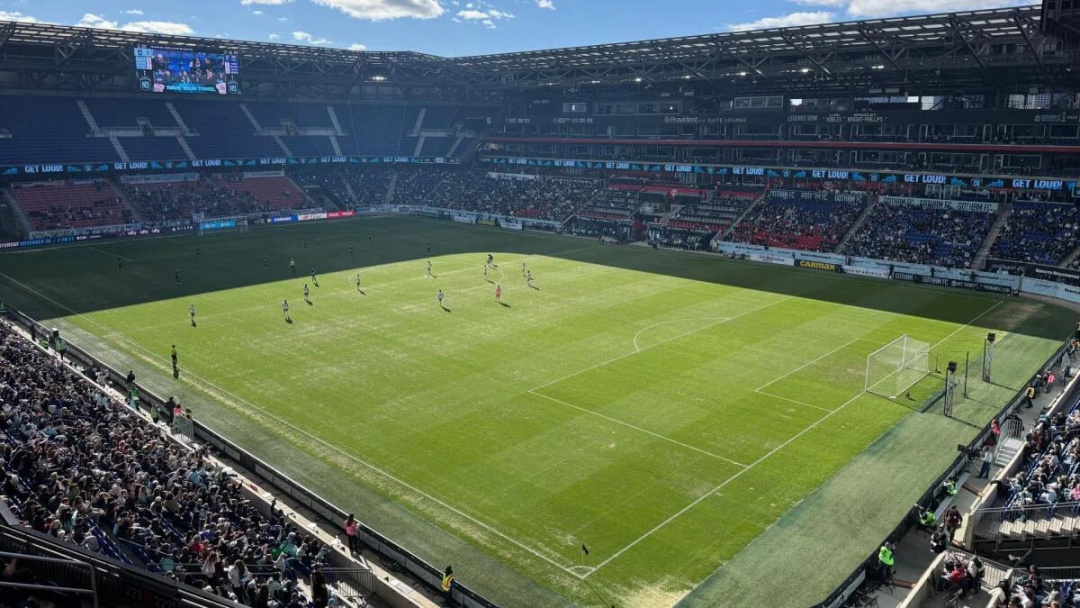
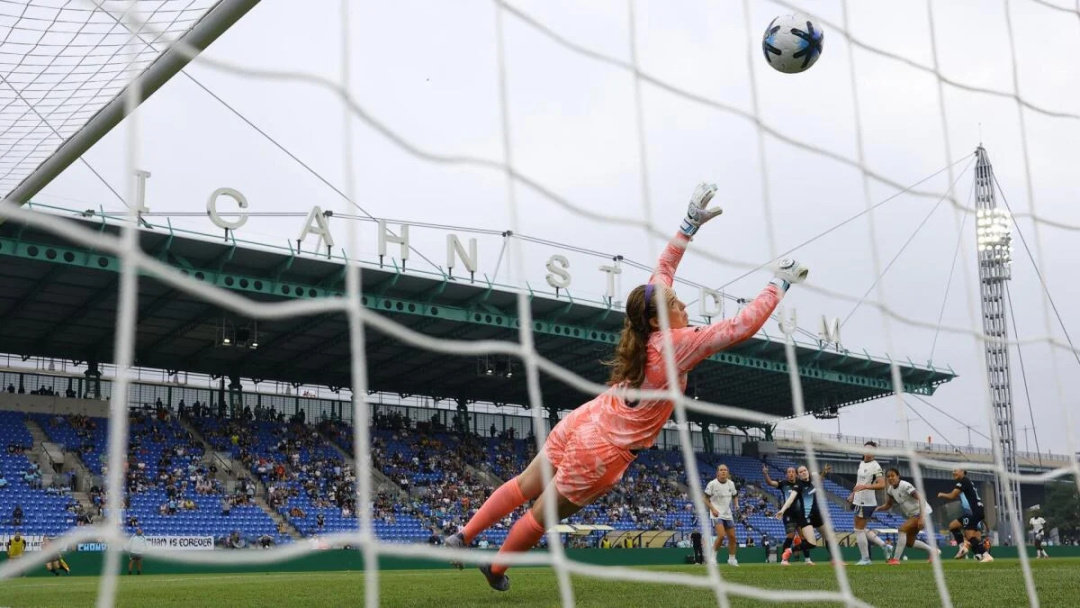
Gotham FC's recent playoff journey has taken an unexpected turn, as the team announced a last-minute switch to Icahn Stadium for their NWSL semifinal against the Kansas City Current. This decision came in the wake of significant concerns regarding the pitch quality at their usual home, Sports Illustrated Stadium, which has historically been regarded as one of the best surfaces in American soccer. After a lackluster 1-0 victory over the Seattle Reign, head coach Juan Carlos Amoros expressed his disappointment with the playing conditions, stating, "I feel the obligation to almost apologize for the state of the pitch. At this level, we should be having a better surface."
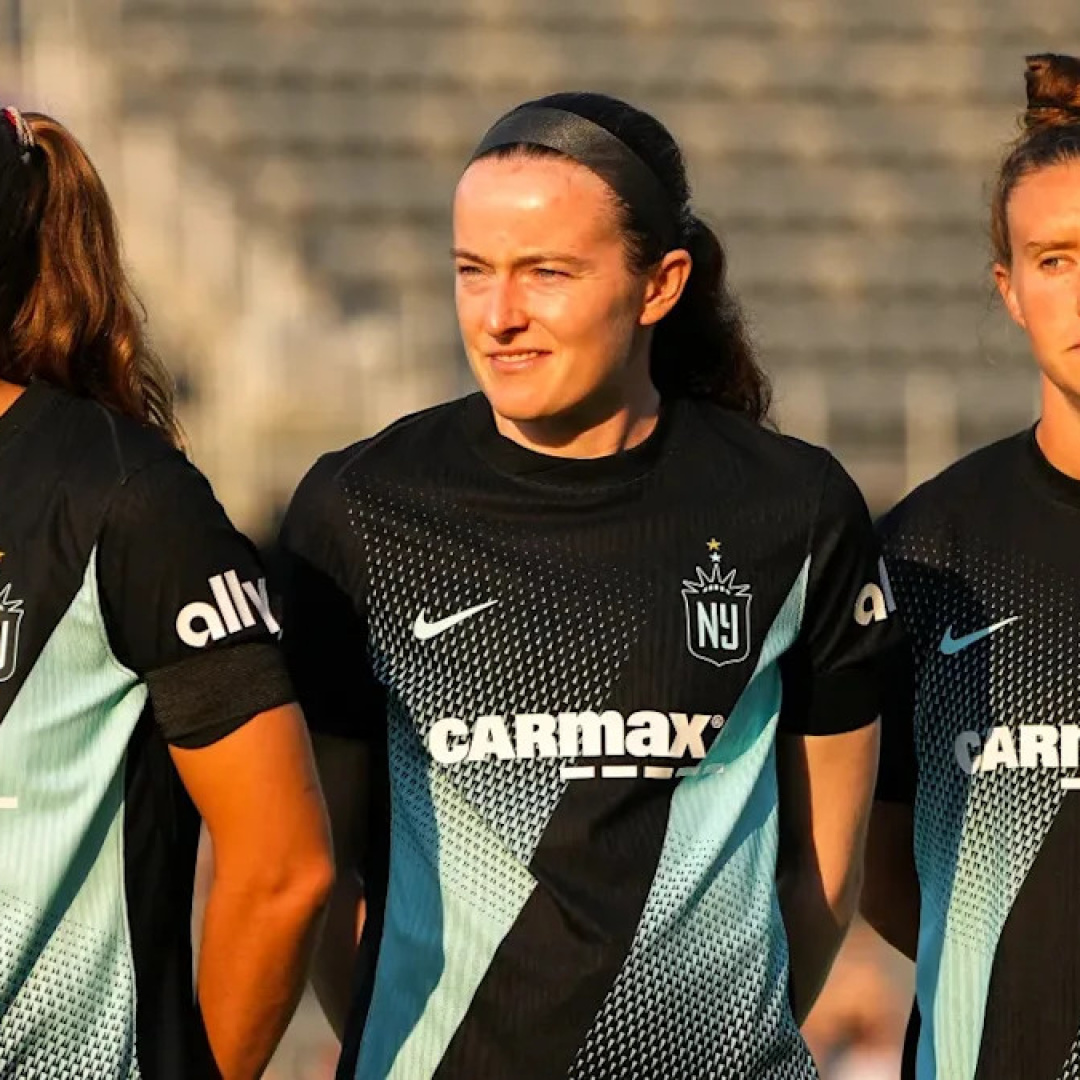
The pitch at Sports Illustrated Stadium, which Gotham has called home since 2021, was deemed unfit for playoff competition, prompting the team to relocate to Icahn Stadium, a smaller venue with a capacity of 5,000. This move was not taken lightly, as it meant that many fans would be unable to attend the match, a sentiment echoed by Gotham captain Tierna Davidson. She remarked, "What we got was a field that is not the standard this club, this league or our fans deserve."
The decision to switch venues highlights the logistical nightmares that have plagued the NWSL, particularly during the postseason. Gotham's management had worked diligently to secure a home playoff berth, only to be faced with a pitch that did not meet the league's standards. The situation was exacerbated by a $10,000 fine imposed on Gotham for the state of the field, despite the fact that they do not manage the venue as secondary tenants. This fine was not widely known until it was mentioned by Reign head coach Laura Harvey in a post-match press conference, further complicating the narrative surrounding the match.
In the lead-up to the quarterfinal, Gotham had raised concerns about the pitch conditions, especially after a rugby doubleheader left visible scars on the field. Despite inspections that deemed the pitch playable, players from both teams voiced their dissatisfaction with the surface, describing it as "sandy" and "unstable." The NWSL's decision to impose a fine on Gotham for the pitch conditions, despite their lack of control over the venue, raises questions about accountability and the management of facilities within the league.
Gotham's quest for a better pitch
As Gotham navigated these challenges, they explored options to improve the playing surface at Sports Illustrated Stadium, including re-sodding the pitch or implementing a hybrid model with artificial threads. However, logistical conflicts with the primary tenants, Red Bull New York, who had a friendly scheduled just before Gotham's semifinal, ultimately led to the decision to move to Icahn Stadium. Red Bull New York's unwillingness to accommodate Gotham's needs further illustrates the complexities of shared stadium arrangements in the NWSL.
Here's the Real Score
The move to Icahn Stadium, while necessary, underscores the ongoing struggles the NWSL faces regarding venue management and scheduling conflicts. As the league continues to grow, the need for dedicated soccer-specific stadiums becomes increasingly apparent. Gotham's experience serves as a reminder of the challenges that come with being a secondary tenant in a shared facility, where decisions made by primary tenants can have significant implications for playoff aspirations.
With the NWSL's postseason now underway, the focus will be on how these logistical issues impact the teams involved. Gotham's last-minute switch to Icahn Stadium may have resolved immediate concerns about player safety, but it also raises broader questions about the league's infrastructure and the need for improvements in venue management to ensure that teams can compete at the highest level without such disruptions.