The NFL trade deadline: From afterthought to a flurry of activity
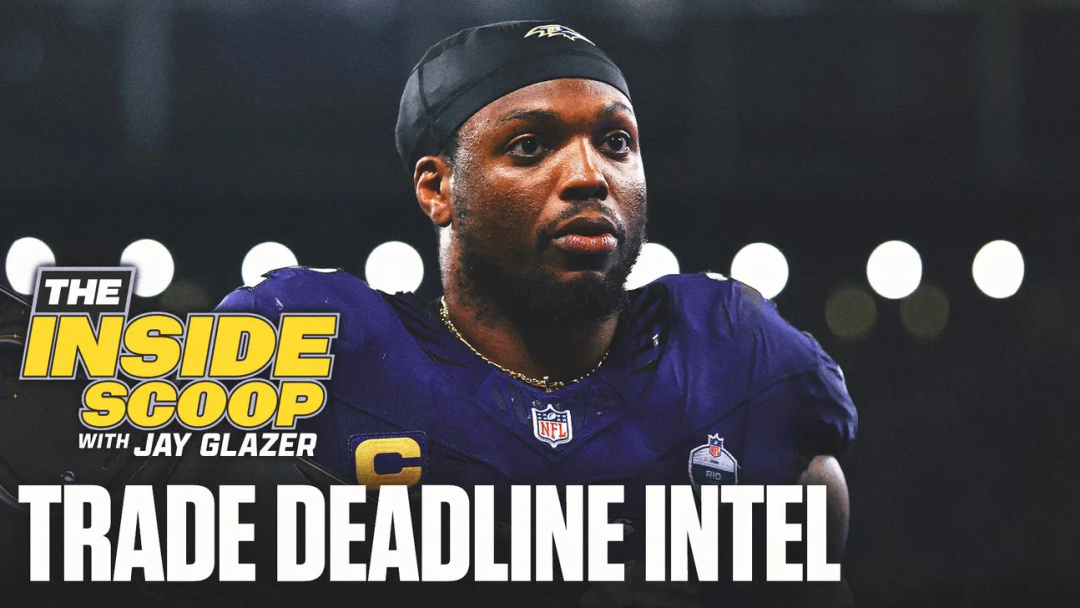
Less than a decade ago, the NFL trade deadline was often a non-event, with only a handful of trades occurring during the regular season. However, as we approach the 2026 trade deadline, the landscape has changed dramatically, with ten trades already completed and expectations for even more before the deadline closes at 4 p.m. ET on November 10. This surge in activity mirrors trends seen in other major American sports leagues, where mid-season trades have long been the norm.
Last year, the NFL witnessed a record 22 trades from the start of the regular season to the deadline, the highest number since at least 1995. On deadline day alone, 12 players and 14 draft picks changed hands, showcasing the increasing willingness of general managers to make bold moves. This trend has been building since the mid-2010s, as teams have begun to prioritize immediate impact players over future draft capital, leading to a more dynamic trading environment.
The reasons behind this shift are multifaceted. Traditionally, the NFL has been more trade-averse than other sports due to the complexities of player contracts and the hard salary cap. Unlike the NBA or MLB, where teams can maneuver around salary constraints, NFL trades require careful salary matching, making player-for-player trades particularly rare. Additionally, the intricate nature of football playbooks and the timing required for offensive coordination complicate the integration of new players mid-season.
Another factor is the NFL's relatively short regular season of 17 games, which keeps more teams in playoff contention deeper into the year compared to the longer seasons of basketball and baseball. This competitive balance means fewer teams are willing to sell off assets, resulting in a limited pool of available players. Furthermore, draft picks have always held significant value in the NFL, as teams must fill numerous roster spots, making it easier to release fringe players than to trade them.
The evolving strategy around trade deadlines
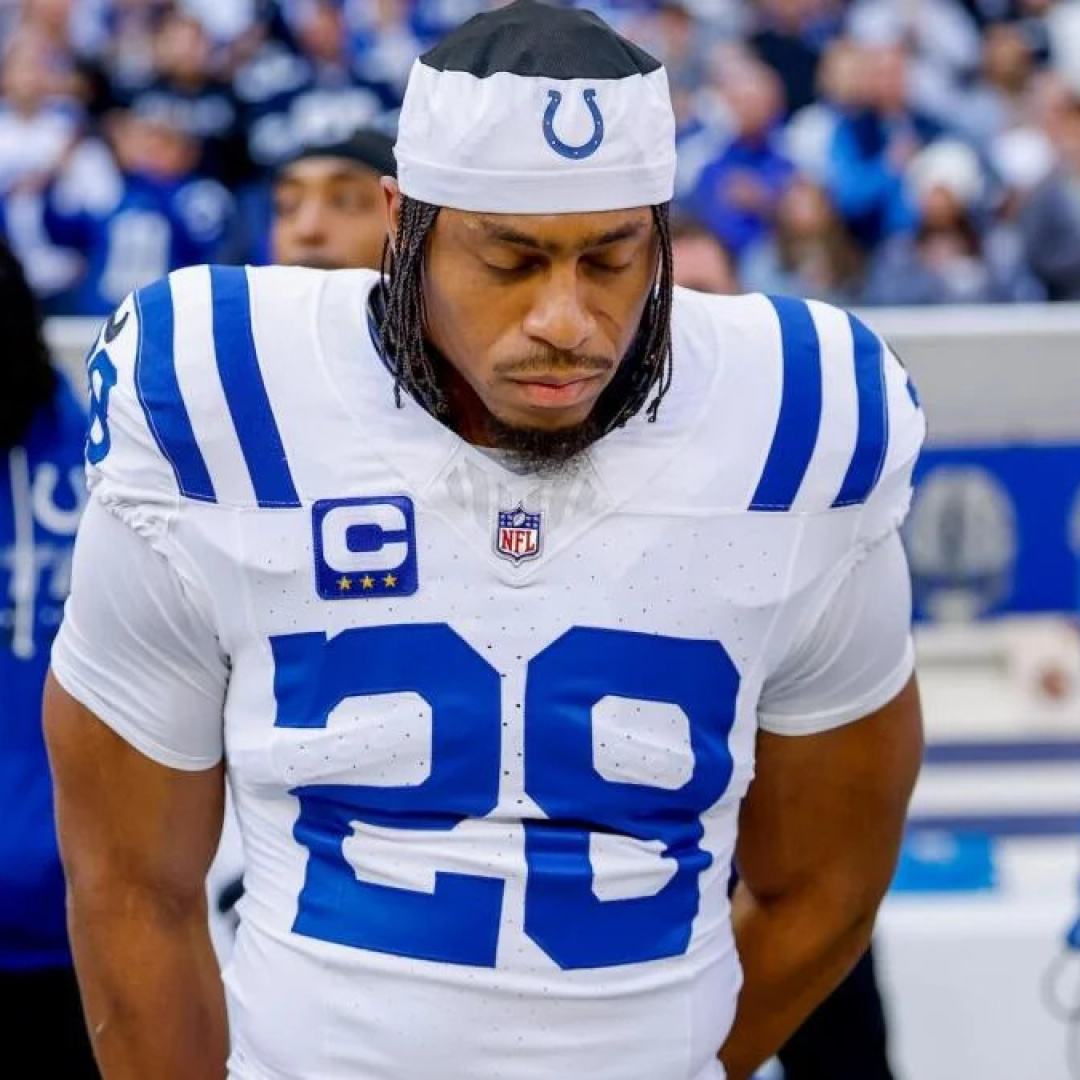
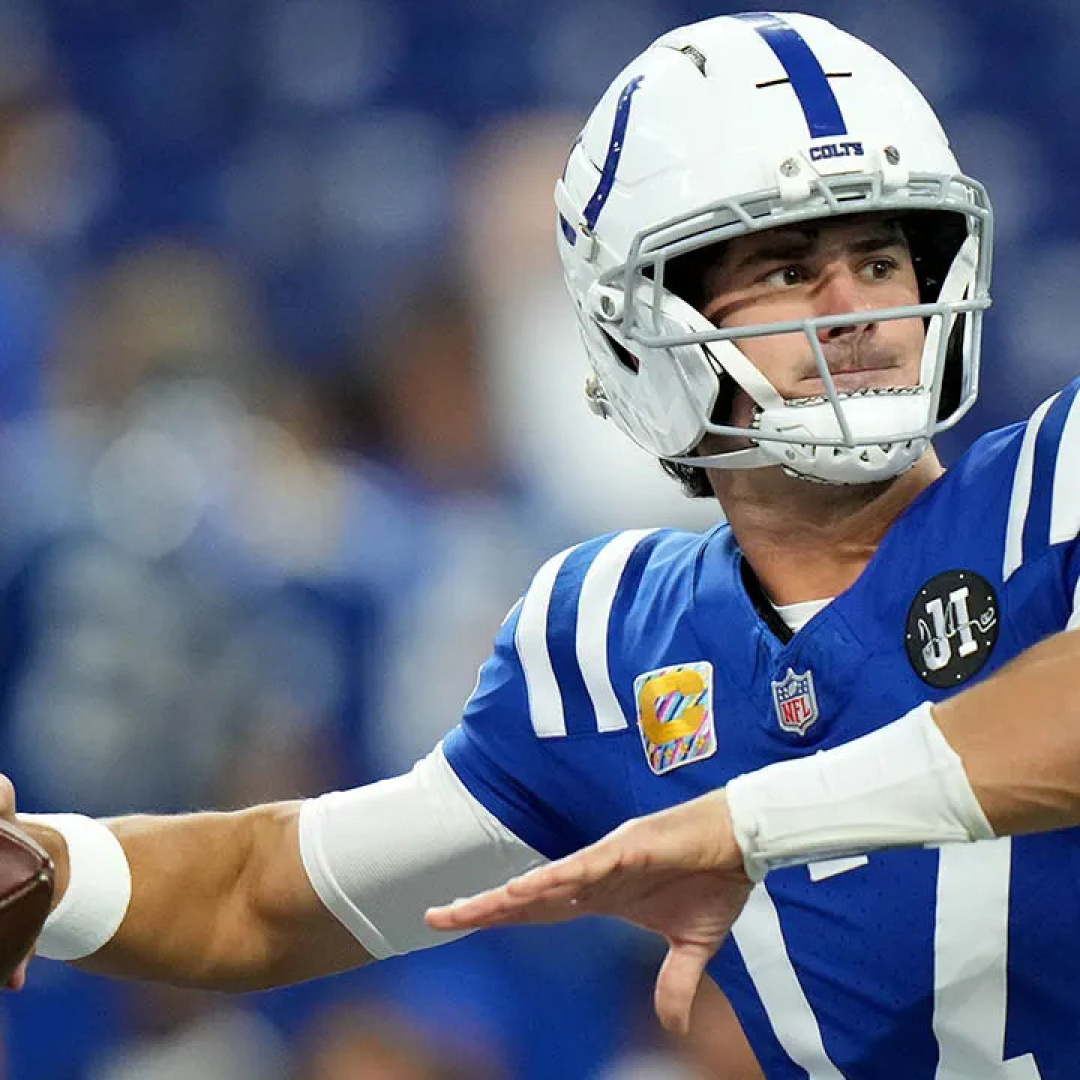
The timing of the trade deadline has also played a crucial role in its evolution. Until 2011, the deadline fell shortly after Week 6, leaving teams uncertain about their playoff prospects. This changed in 2012 when the deadline was moved to the Tuesday following Week 8, and later adjusted to the Tuesday after Week 9, allowing teams to better assess their standings before making trades. The Indianapolis Colts exemplified this shift this year, transitioning from a competitive 2-4 start to a dismal 2-7 record, prompting them to trade away star players like Quenton Nelson and DeForest Buckner.
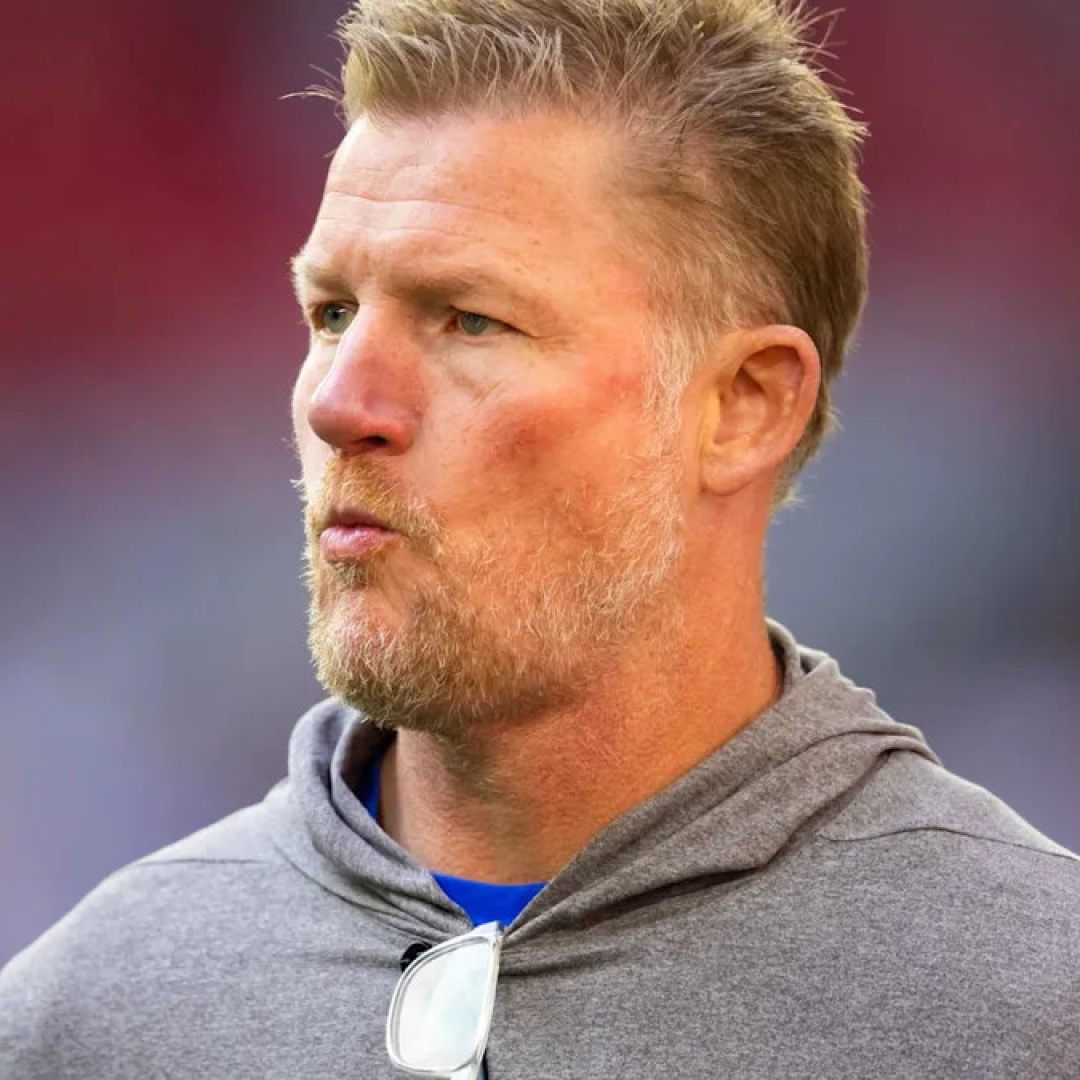
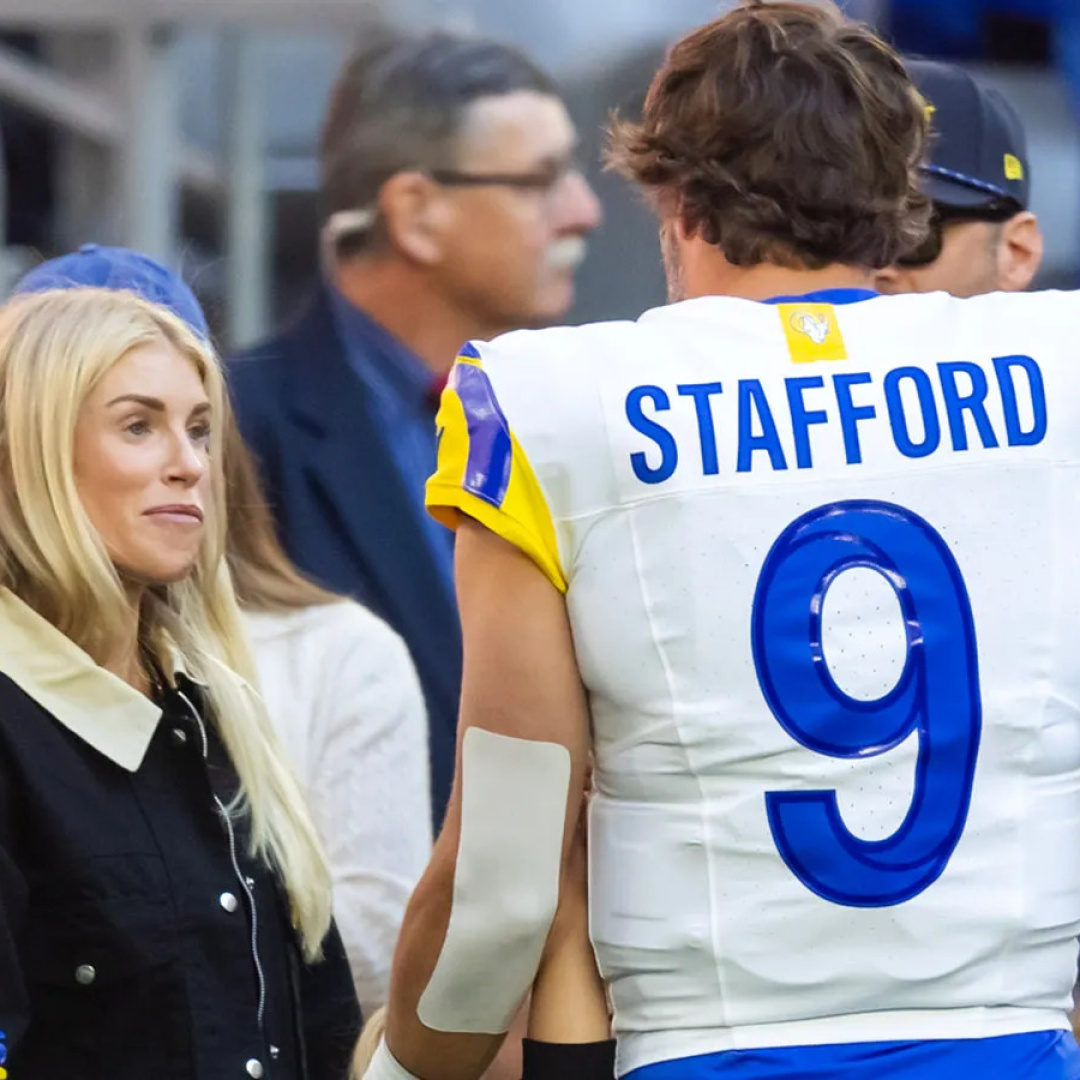
Perhaps the most significant change in the trade landscape has been the evolving mentality towards draft picks. While first-round picks remain highly coveted, general managers are increasingly willing to part with them for proven players who can contribute immediately. This approach was popularized by Los Angeles Rams general manager Les Snead, who famously adopted the mantra "F them picks," focusing on acquiring established talent to maximize championship windows.
When the Noise Dies Down
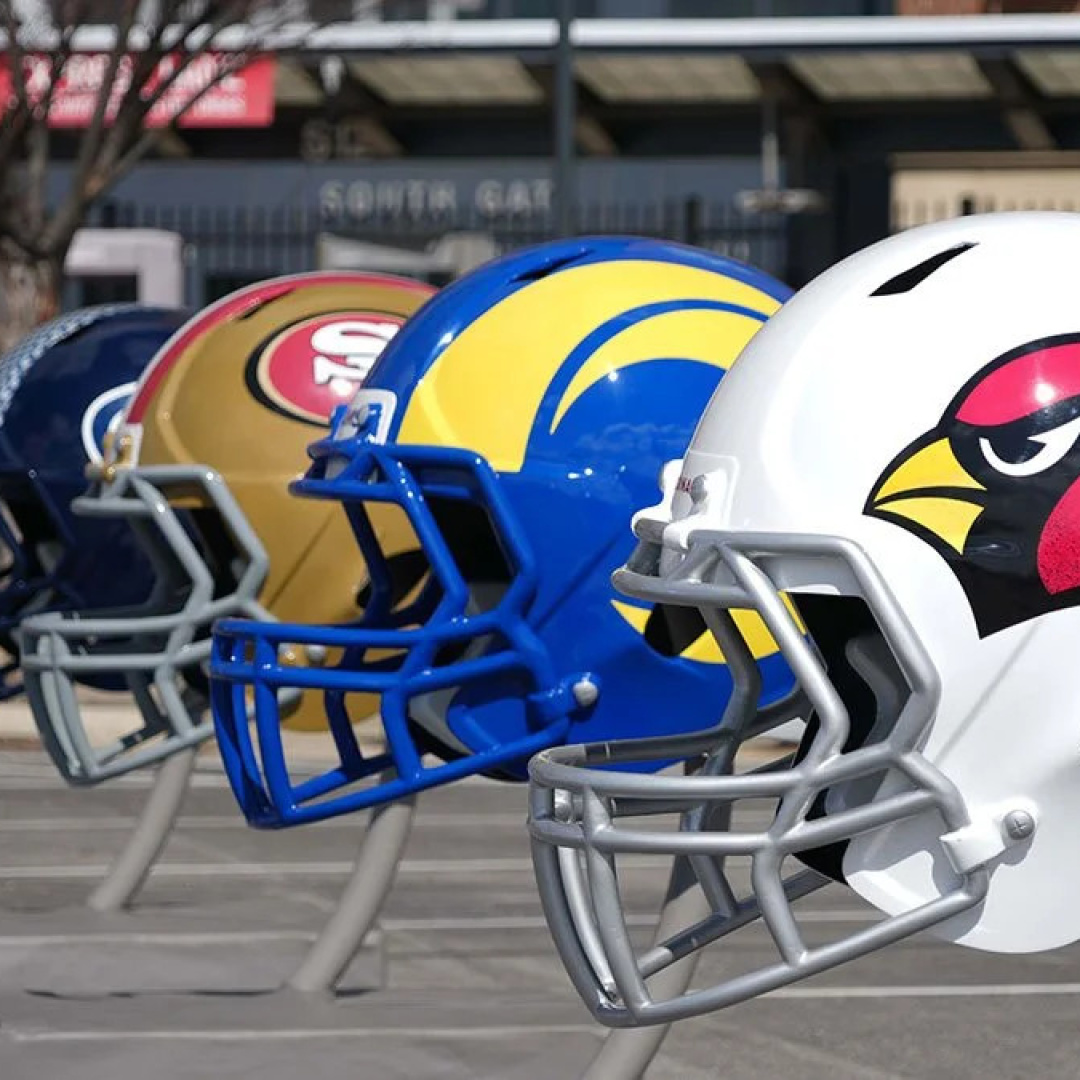
This strategy has proven successful, as the Rams secured a Super Bowl title by trading away draft capital for immediate contributors. Other teams have taken notice, with general managers like Jacksonville's James Gladstone, a former protégé of Snead, also making aggressive trades to bolster their rosters. The trend of trading draft picks for established players is becoming more mainstream, as teams recognize the potential for immediate returns on their investments.
As the NFL continues to evolve, the trade deadline is likely to remain a focal point of the season. The combination of scheduling changes and a more aggressive approach from front offices has created an environment ripe for trades. With general managers now equipped with new strategies for roster construction, the future of the trade deadline looks to be one of continued excitement and activity, signaling a new era in the NFL.