Abel Ferreira calls out media over officiating inconsistencies
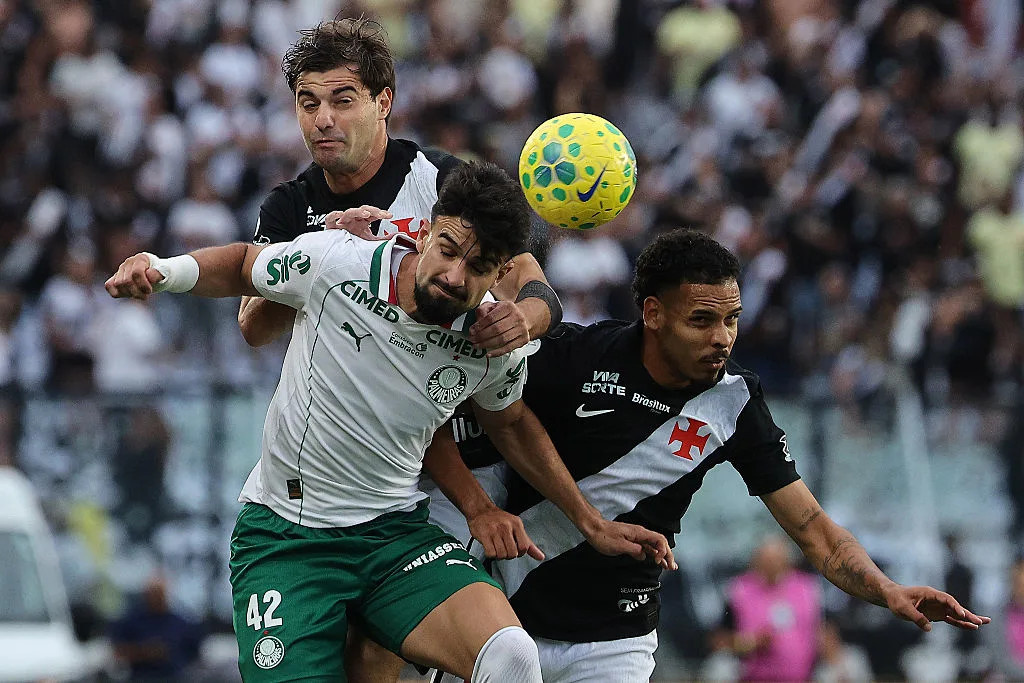
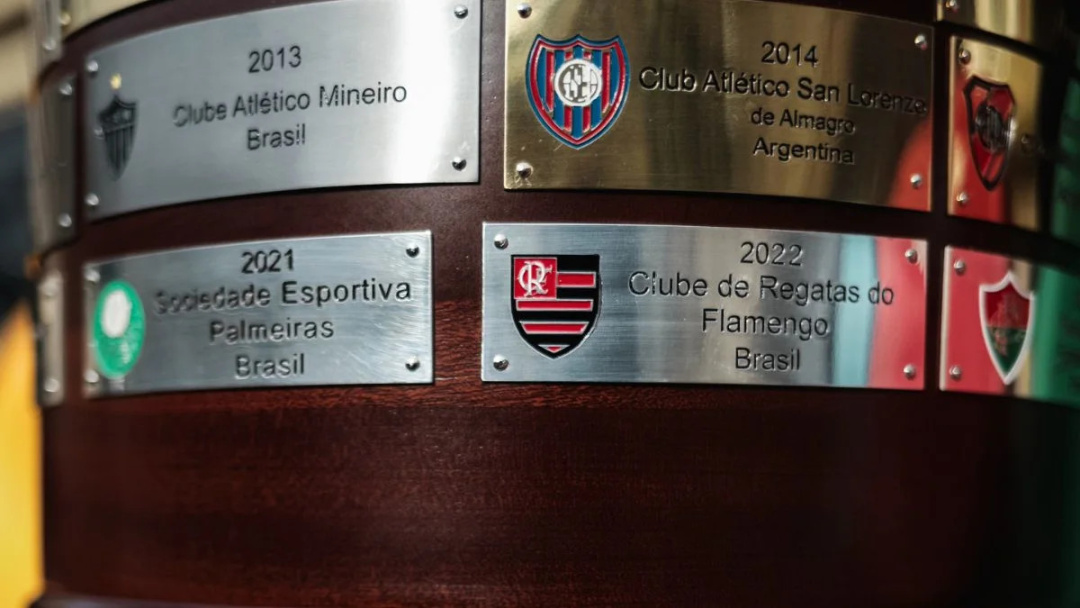
On Sunday, Palmeiras advanced to the 2026 Copa do Brasil final after defeating Vasco at São Januário, marking another significant achievement in a year that also saw them win the São Paulo state championship. However, coach Abel Ferreira's mind is not solely on the present; he is haunted by the events of the 2025 Libertadores final, where a controversial officiating decision played a pivotal role in their defeat to Flamengo.
In that match, defensive midfielder Erick Pulgar was only shown a yellow card for a challenge that Ferreira believes warranted a harsher penalty. The frustration from that incident has lingered, and Ferreira made it clear that he is still grappling with the implications of that decision. "I lost a Libertadores title over an incident like this," he stated, emphasizing the weight of that moment on his team's legacy.
As Palmeiras prepares for another final, Ferreira's frustration resurfaced during a press conference following their latest victory. He pointed to a similar incident in their recent match against Vasco, where Gabriel Pereira caught Jhon Arias on the shin but was not penalized. This led Ferreira to question the consistency of officiating and the media's coverage of such incidents.
"I practically made a promise to myself that I wouldn't talk about refereeing, but I will talk about the press. I want to see whether the press will cover the Arias incident the way they covered the Barboza incident," Ferreira challenged. He was referring to a handball by Barboza that resulted in a penalty not awarded to Vasco in the first leg at Nubank Parque, which had received significant media attention.
Ferreira's comments reflect a broader concern within football regarding the influence of officiating on match outcomes and the perceived biases in media reporting. He expressed a desire for fairness in coverage, stating, "Did anyone talk about the Remo game there? Because it was disallowed and shouldn't have been disallowed. I've realized I should avoid talking about refereeing."
The debate over officiating and media influence
The coach's insistence on addressing these issues highlights the ongoing debate about the role of referees and the media in shaping narratives around football matches. As Palmeiras looks to secure their place in history with another title, Ferreira's reflections serve as a reminder of the fine margins that can define success or failure in the sport.
Ferreira's remarks underscore the importance of accountability in officiating and media coverage. In a sport where every decision can alter the course of a season, the need for transparency and fairness is paramount. Coaches and players alike are often left to navigate the murky waters of officiating decisions, and Ferreira's call for equal treatment in media narratives is a crucial step toward addressing these concerns.
The Final Whistle
As the Copa do Brasil final approaches, all eyes will be on how officiating is handled and whether the media will rise to Ferreira's challenge. The stakes are high, and the pressure is on both the referees and the press to ensure that the integrity of the game is upheld. Ferreira's passionate defense of his team's honor reflects a deep-seated desire for justice in a sport that thrives on competition and fairness.
In the end, Ferreira's comments are not just about one match or one season; they resonate with the broader struggles faced by teams in high-stakes competitions. As Palmeiras aims for glory in both the Copa do Brasil and the Libertadores, the lessons learned from past officiating controversies will undoubtedly shape their approach moving forward. The challenge now lies in ensuring that the narrative surrounding their journey is as fair and balanced as the game itself demands.