SEC Bias in College Football Playoff Rankings Sparks Outrage
The first edition of the 2026 College Football Playoff (CFP) rankings has stirred significant controversy, with many fans and analysts expressing shock and disdain over the apparent bias towards SEC teams. This sentiment was echoed by Indiana head coach Curt Cignetti, who openly criticized the committee's favoritism towards the SEC, suggesting that the rankings reflect a troubling connection between ESPN and the committee's decision-making process.
Cignetti's comments highlight a growing frustration among coaches from other conferences, who feel that SEC teams are consistently overranked, regardless of their performance on the field. He pointed out that while SEC teams receive extensive media coverage and support, teams from the Big Ten and other conferences are often overlooked, even when they have comparable or better records.
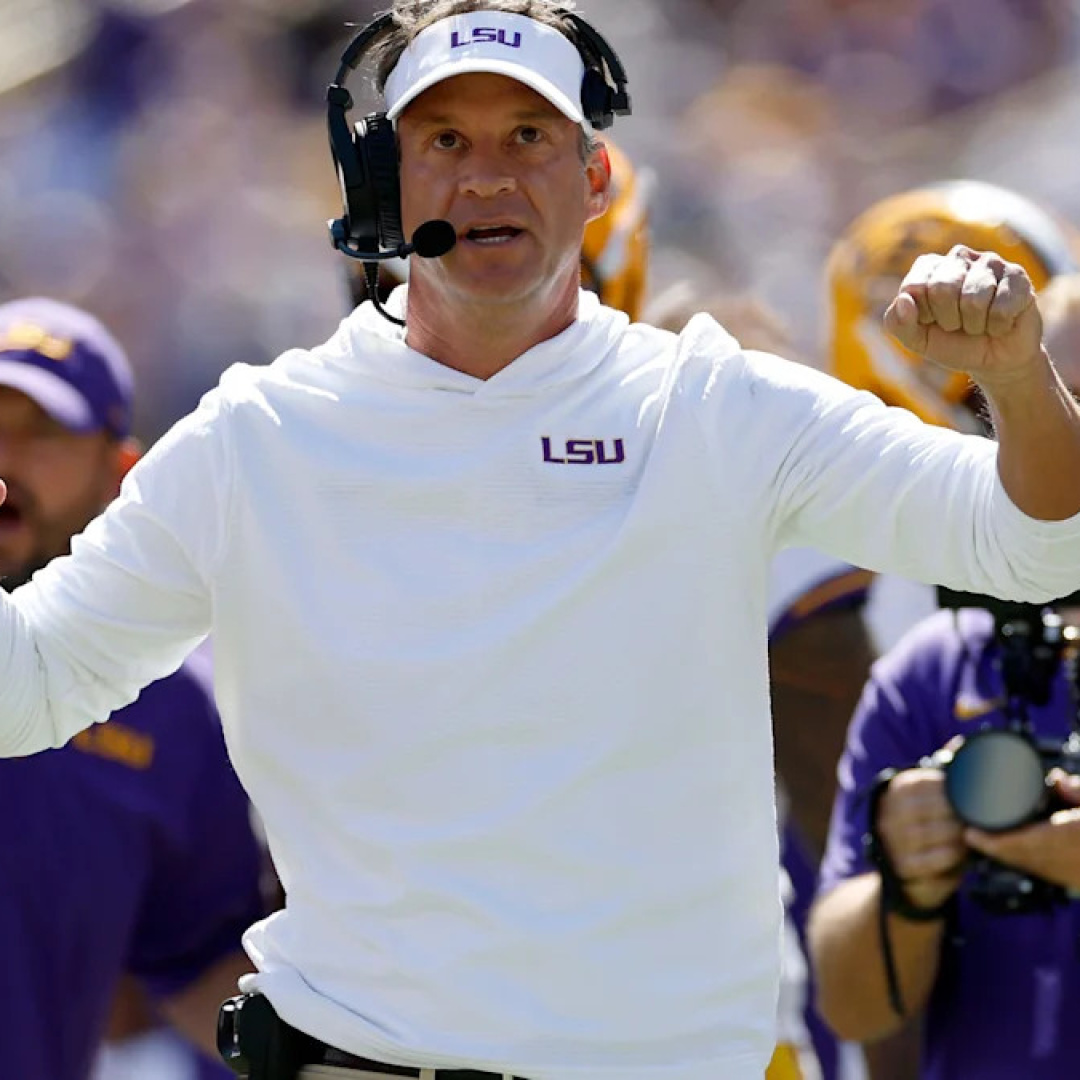
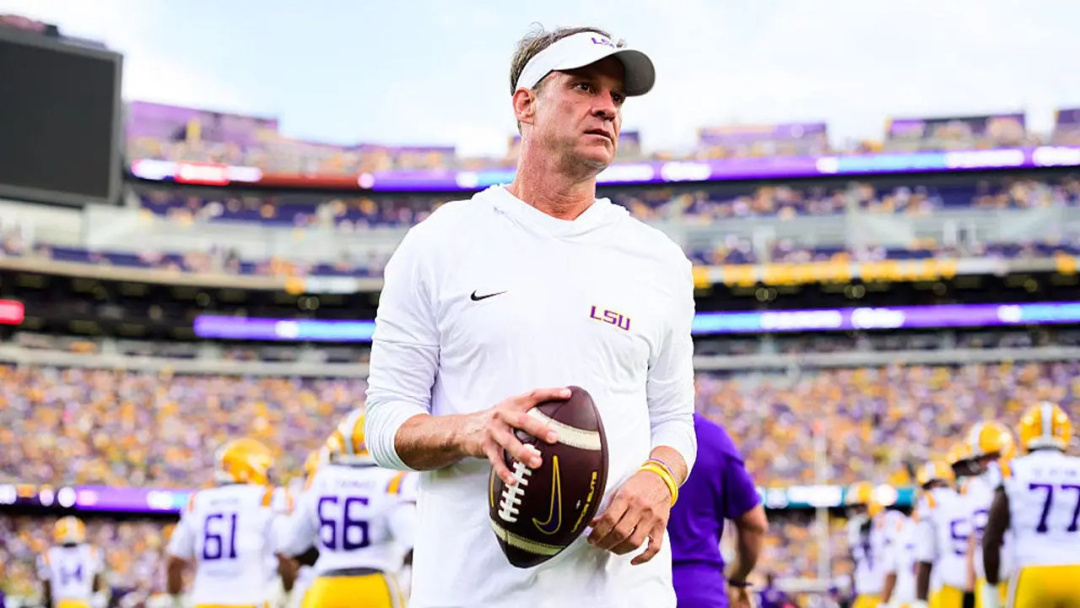
Lane Kiffin, head coach of the LSU Tigers, has been particularly vocal in his defense of the SEC, arguing that the conference's unique challenges and environments warrant special consideration in the rankings. Kiffin's assertion that SEC teams would perform better if given the same schedules as teams from other conferences has been met with skepticism. Critics argue that this narrative is part of a larger propaganda effort to maintain the SEC's perceived superiority in college football.
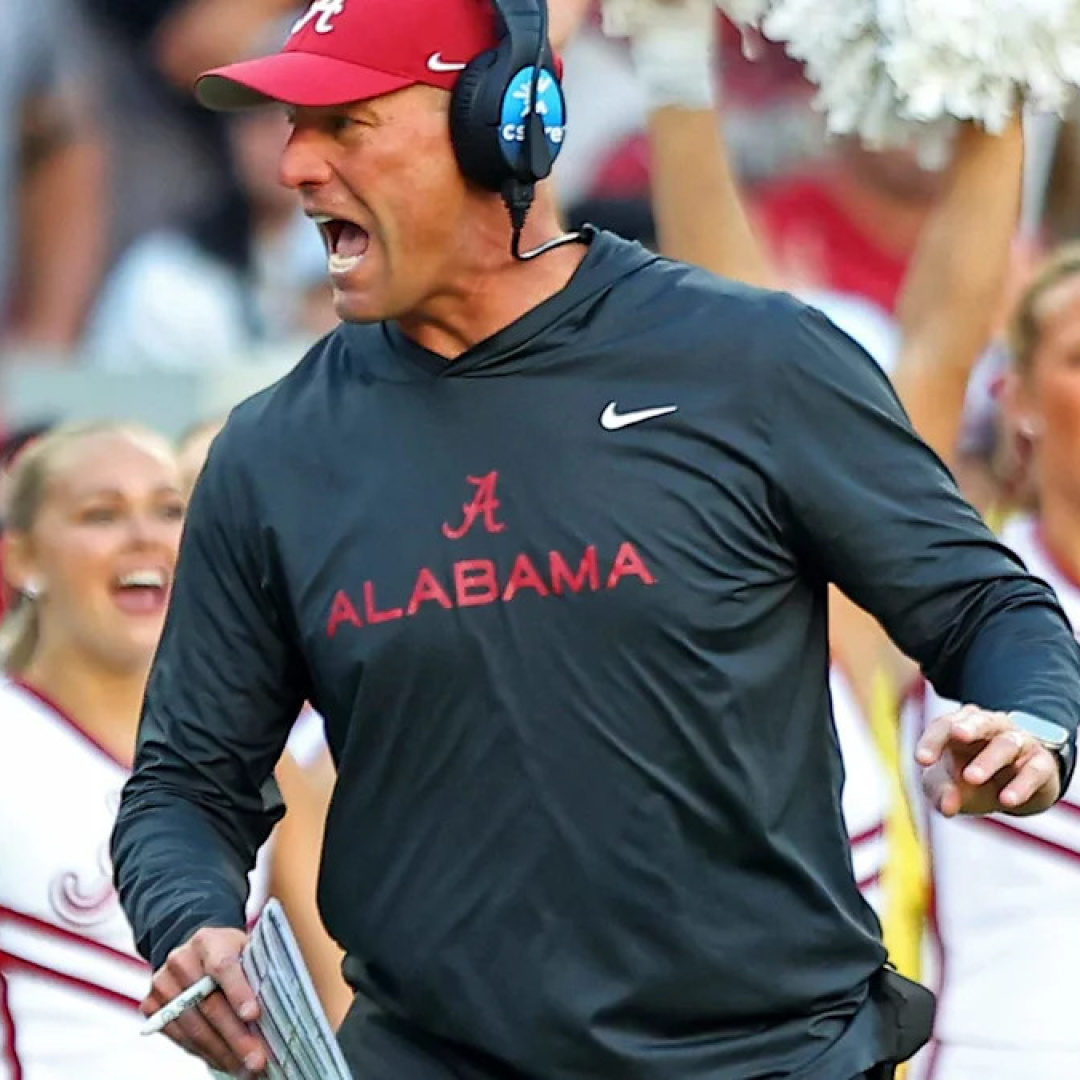
The statistics tell a different story. In the 2025-2026 season, SEC teams struggled in bowl games, finishing with a dismal 1-8 record. Notably, Alabama, a team that was granted a playoff spot despite a blowout loss in the conference championship, was soundly defeated by Indiana in the Rose Bowl. This raises questions about the committee's criteria for ranking teams and whether SEC teams are held to a different standard.
Kiffin's campaign for SEC teams has seemingly paid off, as the committee appears to prioritize perception over results. The notion that losses in the SEC carry less weight than losses in other conferences has been a recurring theme, with many arguing that this bias undermines the integrity of the playoff selection process. As the rankings continue to spark outrage, the question remains: will the committee adjust its approach to ensure a fair evaluation of all teams, regardless of conference affiliation?
The implications of perceived bias
The ongoing debate about SEC bias in the CFP rankings has significant implications for the future of college football. If the committee continues to favor SEC teams based on reputation rather than performance, it risks alienating fans and coaches from other conferences. This could lead to calls for reform in the playoff selection process, as stakeholders demand a more equitable system that accurately reflects the competitive landscape of college football.
As the season progresses, the pressure on the CFP committee to justify its rankings will only intensify. Coaches like Cignetti and Kiffin will continue to voice their opinions, and the scrutiny on the committee's decisions will remain high. Ultimately, the integrity of the College Football Playoff hinges on the committee's ability to balance tradition with fairness, ensuring that all teams are evaluated on equal footing.
The Final Whistle
In conclusion, the controversy surrounding the College Football Playoff rankings underscores the need for transparency and fairness in the selection process. As the debate over SEC bias continues, it is crucial for the committee to address these concerns head-on, ensuring that all teams are given a fair chance to compete for a spot in the playoffs. The future of college football may depend on it.