Controversial call sparks outrage in Texas-Missouri matchup
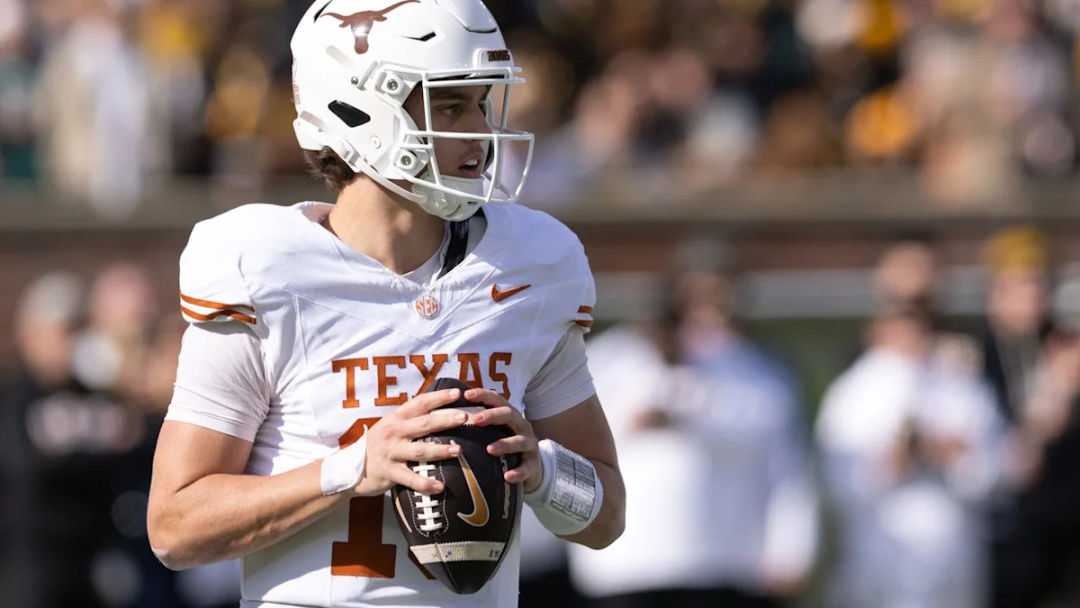
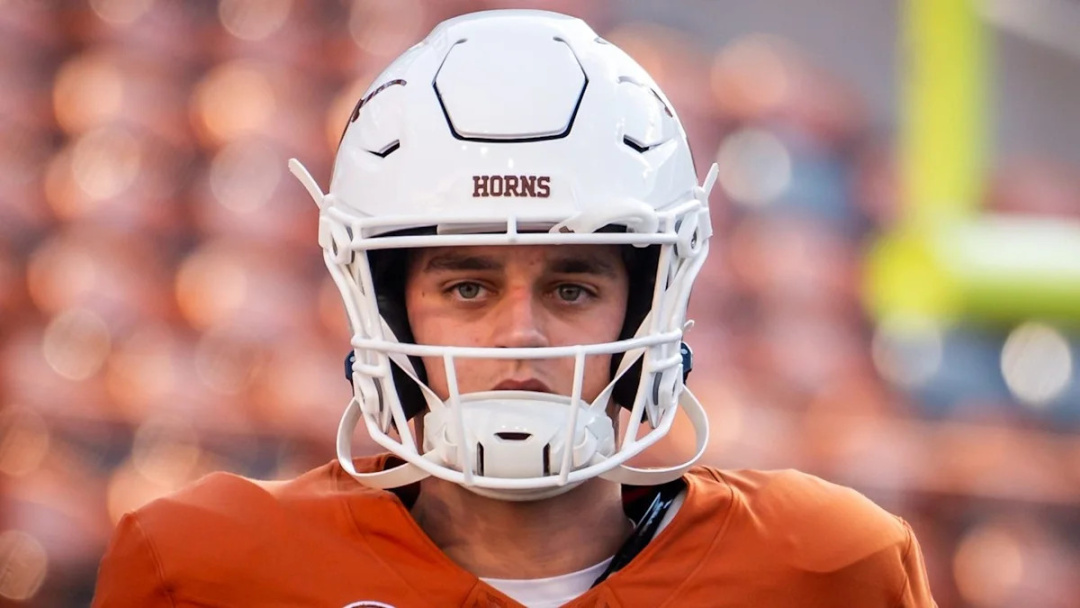
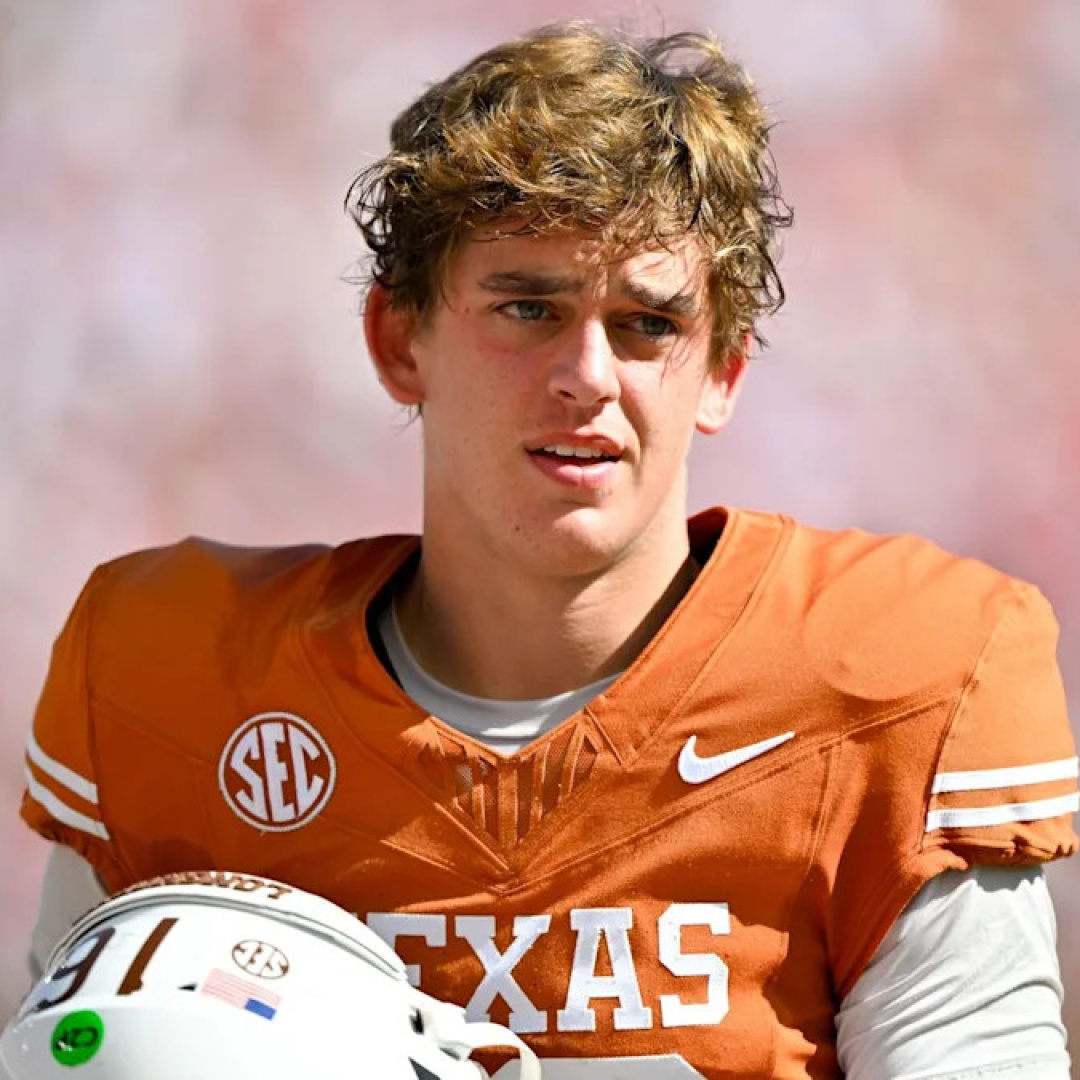
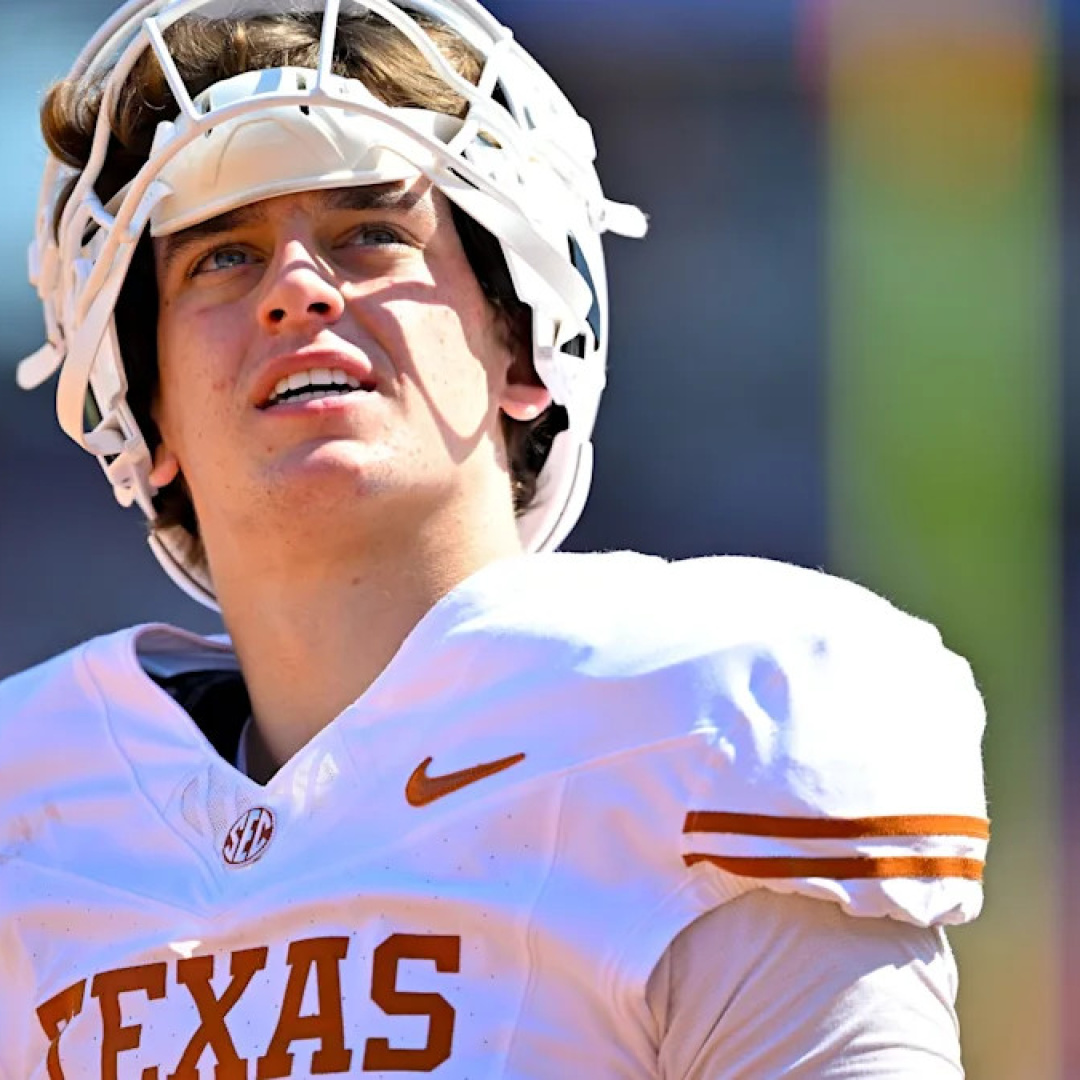
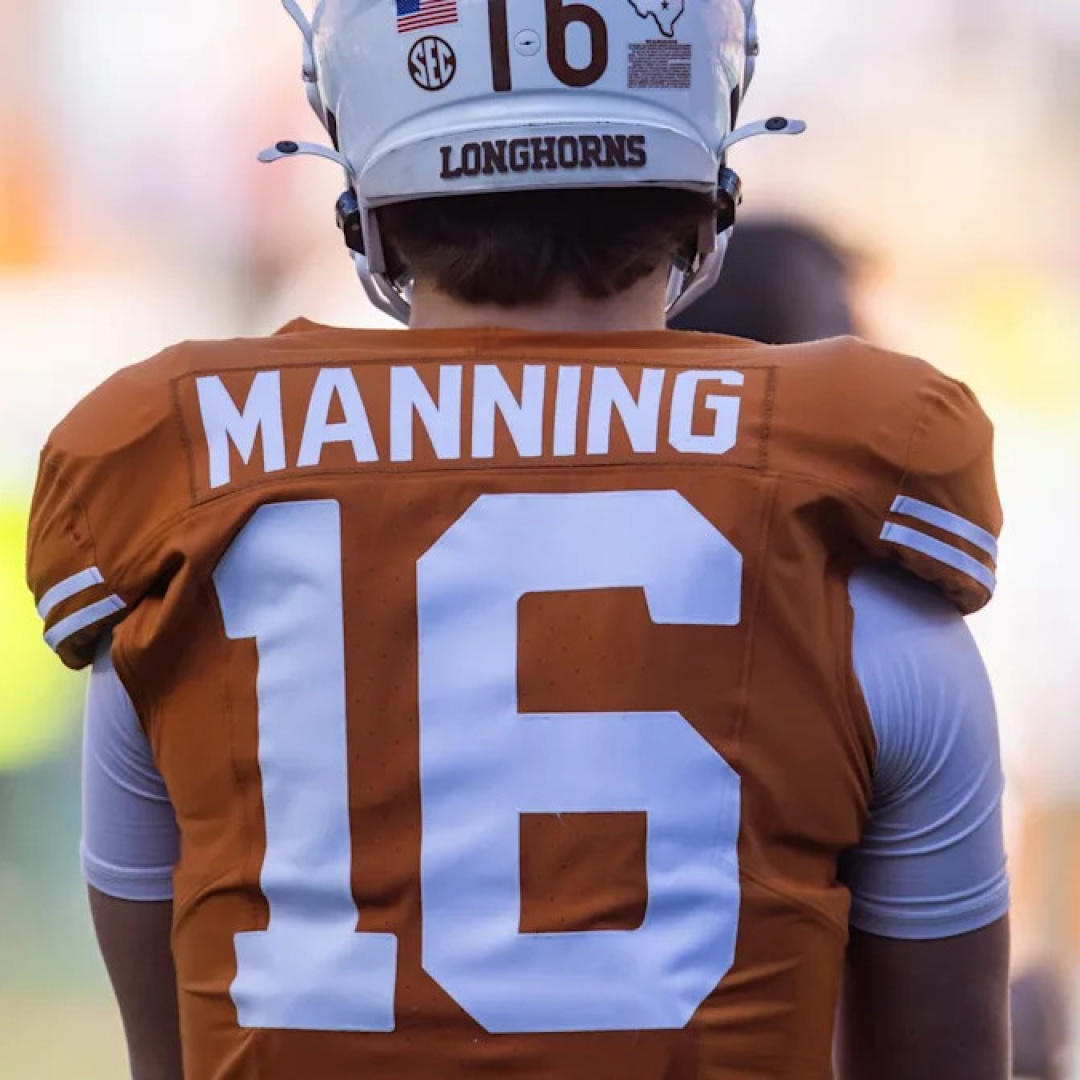
The No. 7 Texas Longhorns kept their College Football Playoff hopes alive with a 34-20 victory over No. 18 Missouri, but the game was marred by a controversial officiating decision that has left fans and analysts reeling. Late in the third quarter, a call involving quarterback Arch Manning has drawn ire from across the college football landscape, overshadowing Texas's hard-fought win.
With just over two minutes left in the third quarter, Texas faced a critical 3rd-and-10 from the Missouri 39-yard line. As Manning released the ball, he was hit by Missouri's Brian Huff, causing the ball to travel forward before hitting the ground. Initially, it appeared to be an incomplete pass, but the officials ruled it a fumble, allowing Texas to recover the ball downfield. This decision not only stunned the players on the field but also left fans and commentators questioning the integrity of the officiating crew.
The ruling was upheld after a review, with the SEC stating that there was insufficient evidence to overturn the call. This explanation did little to quell the outrage from Missouri fans and players. "Are they saying this is not a forward pass and instead, a fumble?!" exclaimed ABC's Joe Tessitore during the broadcast, capturing the disbelief of many watching the game unfold.
Missouri head coach Eli Drinkwitz expressed his frustration, hinting at the potential consequences of voicing his true feelings about the call. "If I say what I want to say, I’m gonna get fined until I don’t have any retirement, and I’m not gonna do that," he remarked, highlighting the delicate balance coaches must maintain when addressing officiating issues.
Reactions from players and analysts
The fallout from the call has been swift, with former players and analysts weighing in on the decision. Terry McAulay, a former NFL referee and current rules analyst, stated, "This is clearly and obviously an incomplete pass. He loses control after the hand moves forward." Other notable figures, including former Missouri quarterback Chase Daniel and wide receiver T.J. Moe, echoed similar sentiments, labeling the call as one of the most ridiculous they have ever witnessed in college football.
As the game progressed, Texas capitalized on the controversial ruling, tying the game shortly after the fumble recovery and eventually pulling away for the win. This incident has reignited discussions about the consistency and quality of officiating in college football, particularly in high-stakes games where playoff implications are on the line.
No Points for Excuses
The controversy surrounding this call raises important questions about the impact of officiating on the outcomes of games and the integrity of the sport. As teams vie for playoff positions, every decision can have significant ramifications, not only for the teams involved but also for the broader landscape of college football. Fans and analysts alike are left to wonder how many more games will be decided by questionable calls and what measures can be taken to ensure that officiating remains fair and transparent.
In the aftermath of the game, the SEC's defense of the ruling is unlikely to appease Missouri fans who feel wronged by the officiating. As the Longhorns celebrate their victory, the controversy serves as a reminder of the fine line officials walk in making split-second decisions that can alter the course of a game. With the stakes higher than ever in college football, the need for clear and consistent officiating has never been more critical. As the season progresses, all eyes will be on how the officiating crews handle similar situations and whether they can rise to the occasion in the face of mounting scrutiny.