Steve Young Praises BYU's Resilience in the NIL Era
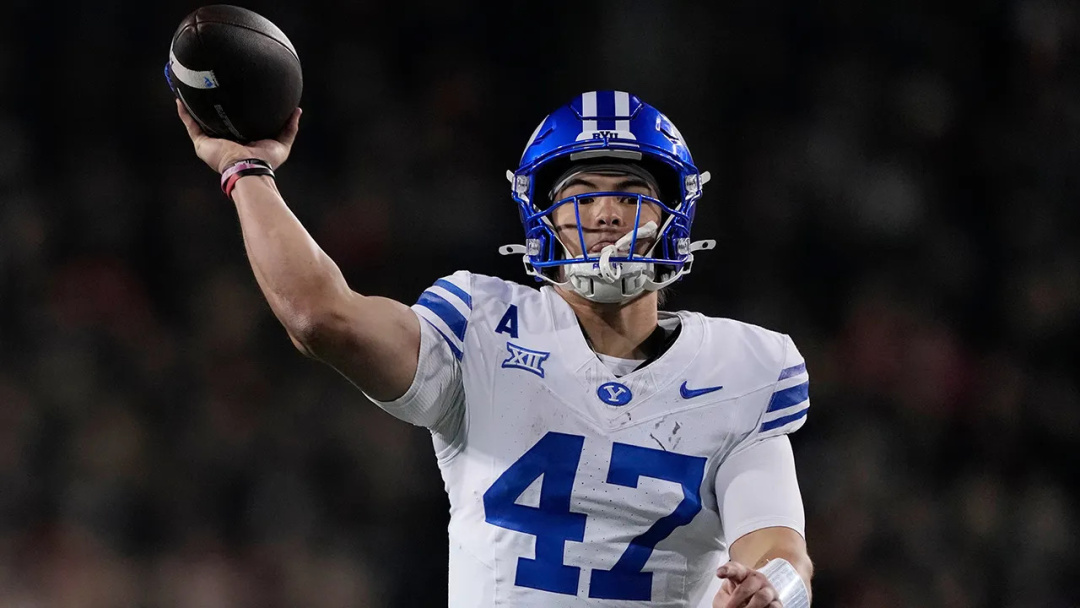
Steve Young, a legendary NFL quarterback and BYU alumnus, recently shared his thoughts on how the Cougars have navigated the challenges posed by the name, image, and likeness (NIL) era in college football. Contrary to initial skepticism about how BYU would adapt to these changes, Young noted that the university has not only survived but thrived since the NIL rules were implemented in 2021.
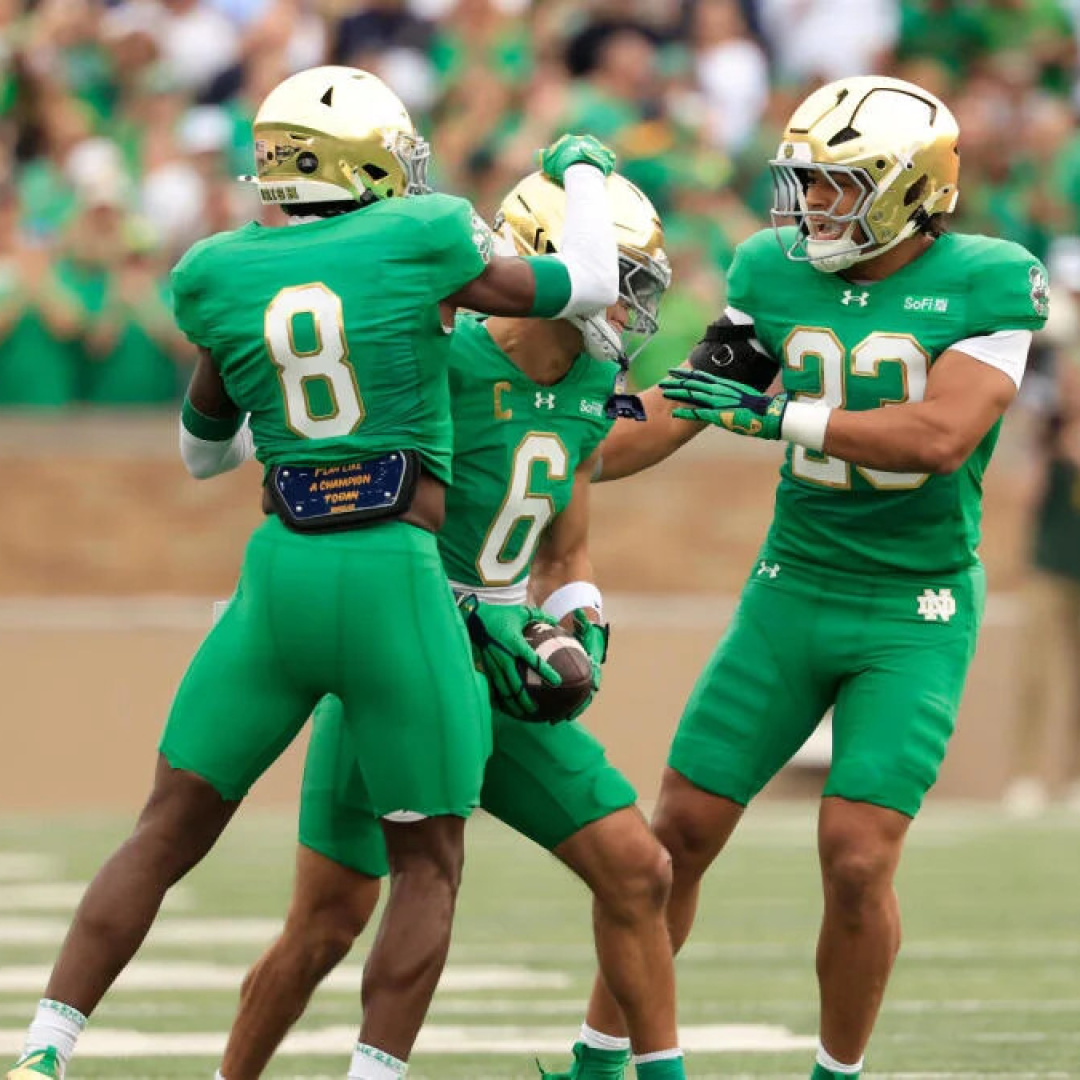
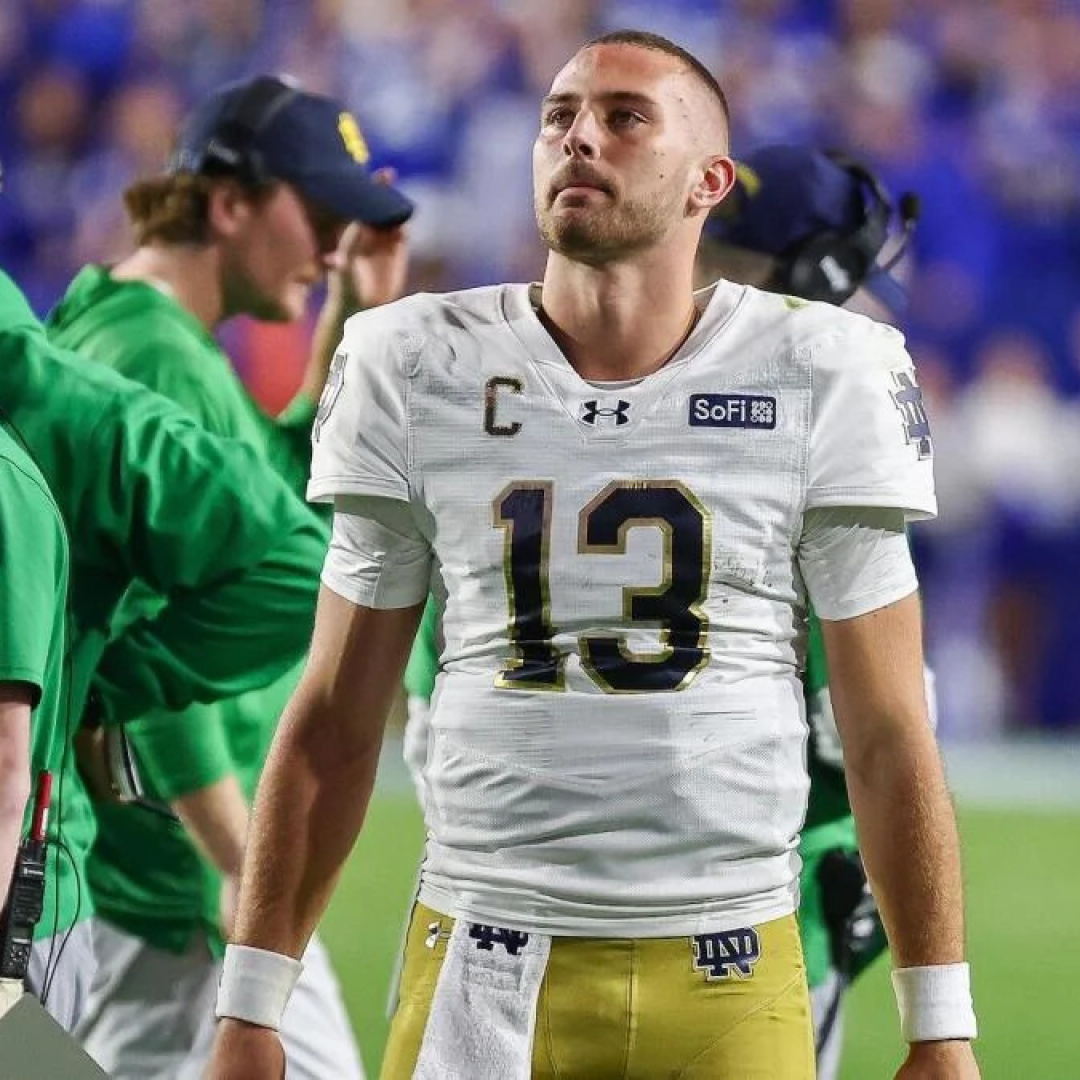
"How is BYU gonna do this, right? How in the world?" Young recalled his initial concerns when NIL compensation began to transform college football. However, he pointed out that BYU is currently tied with Boise State for the ninth-most wins in college football since the NIL's introduction. The Cougars have made significant strides, reaching as high as No. 2 in the AP poll after a notable victory over Notre Dame, and they are poised to challenge for the top spot again with an upcoming game against No. 3 Utah.
The NIL landscape has provided BYU with an opportunity to enhance its recruiting efforts. Keith Vorkink, BYU's Vice President of Advancement, explained that while the university has always adhered to NCAA policies, the NIL framework has allowed them to engage more actively in recruiting without compromising their values. "We're grateful for the avenue that opened up for us to participate in that space and do so in compliance," Vorkink stated.
A key aspect of BYU's strategy is its commitment to maintaining the university's core values, which are deeply rooted in its honor code. This code requires students to abstain from substances like alcohol and tobacco and to adhere to specific moral standards. Vorkink emphasized that the university does not want to lead the NIL market; instead, they aim to attract student-athletes who resonate with BYU's culture and mission.
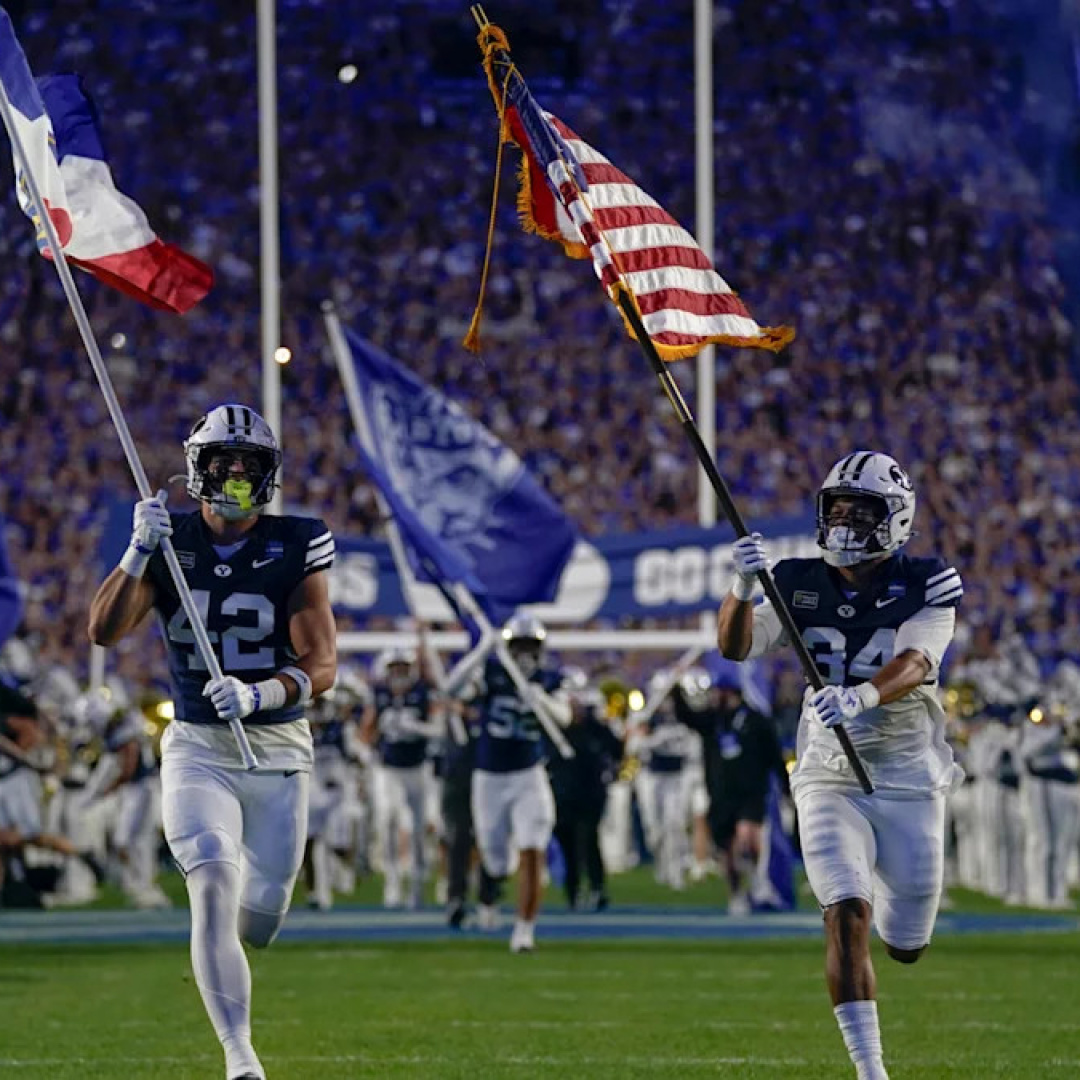
Young praised head coach Kalani Sitake for fostering a strong culture that aligns with the university's values, even in a competitive environment where many players are motivated primarily by financial incentives. "It's hard to build affinity," Young remarked, acknowledging the challenge of creating a cohesive team atmosphere in a landscape where many players are viewed as mercenaries seeking the highest bidder. He commended Sitake for successfully building a unified program that prioritizes both player compensation and the university's mission.
BYU's culture attracts top talent
The culture at BYU has resonated with several star players, including five-star freshman Bruce Branch and quarterback Bear Bachmeier, who chose to stay at the university despite offers of more money from other programs. Vorkink noted that the ability to compensate players through NIL has enabled BYU to recruit athletes who might not have considered the school otherwise, including those outside the faith who thrive in the BYU environment.
One notable example is AJ Dybantsa, the No. 1 overall pick in the 2026 NBA Draft, who initially knew little about BYU but came to appreciate the university and its culture. Young highlighted how the honor code, while seemingly restrictive, can actually serve as a unique selling point in recruiting, allowing for open conversations about the university's values.
The Final Whistle
As BYU continues to navigate the complexities of the NIL era, both Young and Vorkink believe that a regulatory framework is necessary to provide stability in college athletics. Vorkink expressed a desire for more governance around student-athlete compensation, recognizing the economic value they bring to the university. Young echoed this sentiment, suggesting that Congress is the only entity capable of balancing the interests of student-athletes and universities in this evolving landscape.
Despite the challenges posed by the NIL era, Young believes that BYU has found a way to thrive while staying true to its principles. "Hold on, you're supposed to be flailing in this system, and I think we've hit on it. We've looked it in the eye, right?" Young stated, emphasizing that BYU will continue to compete in what he calls the "BYU way."