FIFA Upholds Paredes' Ban, Reduces Molina's Suspension After World Cup Incident
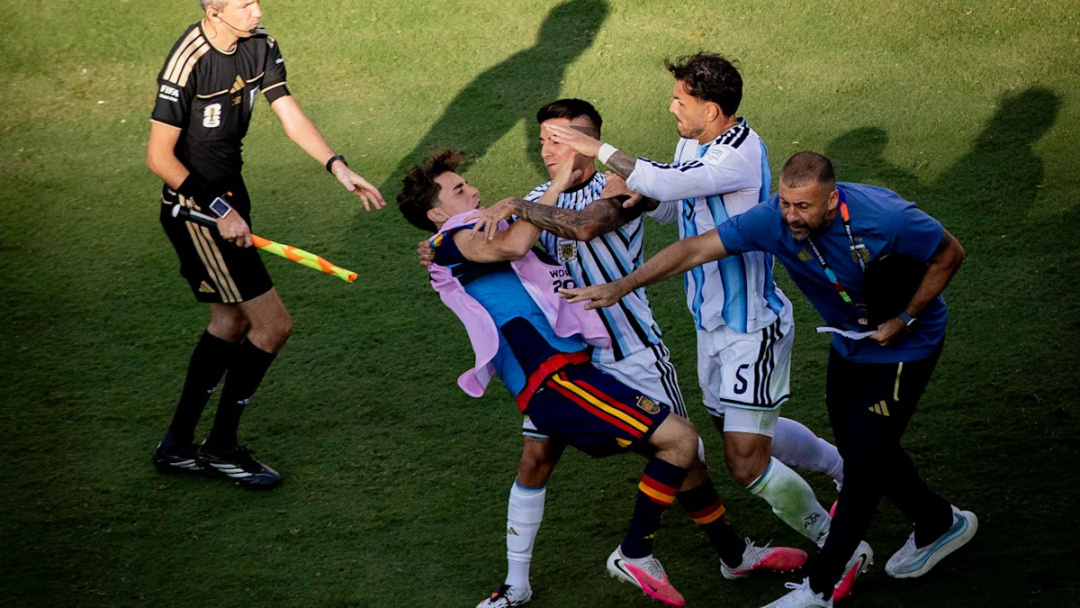
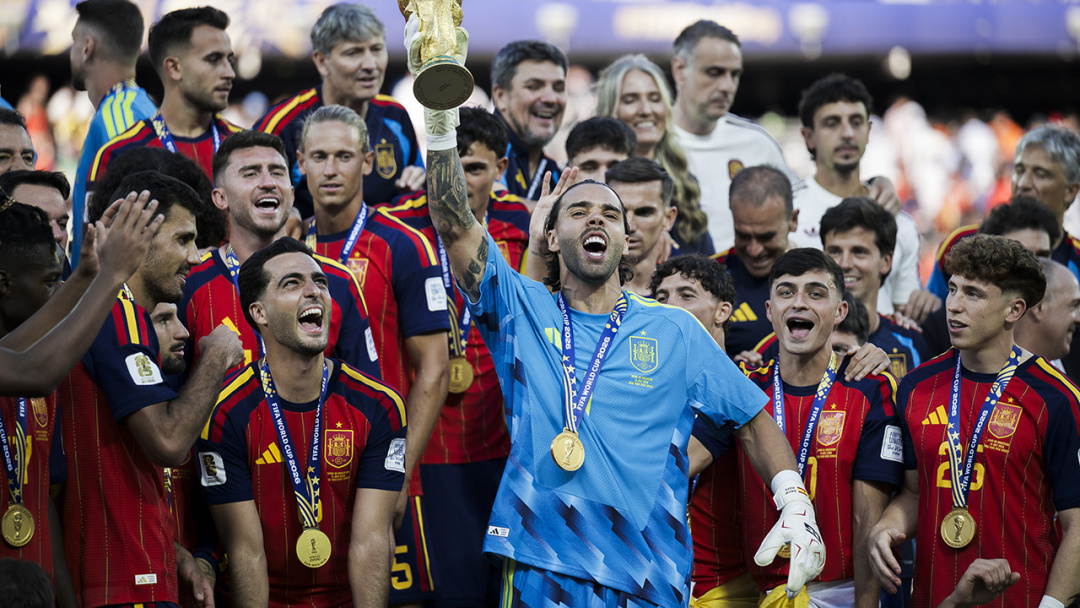
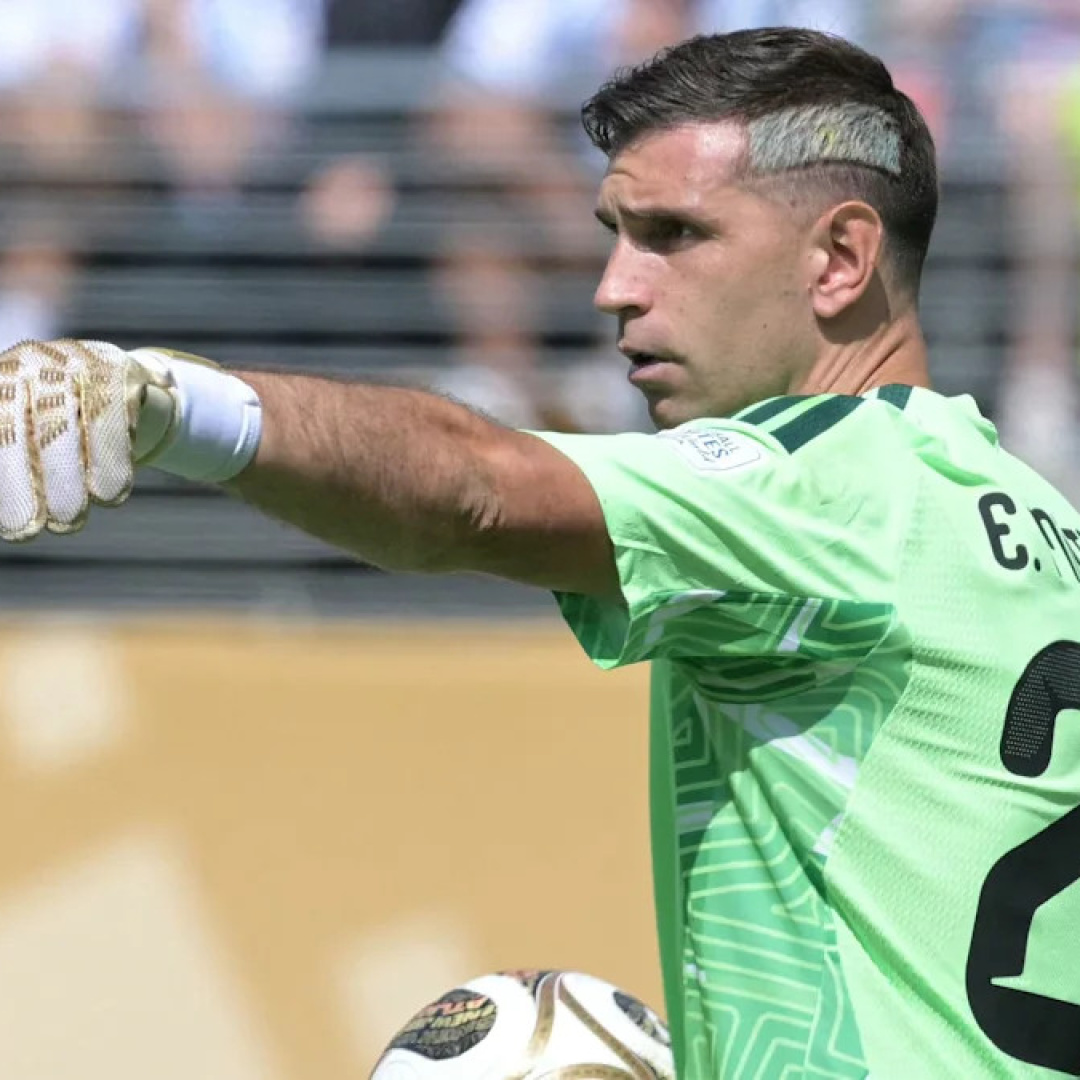
The aftermath of Argentina's heartbreaking 1-0 defeat to Spain in the 2026 FIFA World Cup final on July 19 has been marred by controversy and disciplinary actions. Following the final whistle, tensions escalated into a physical confrontation, with Leandro Paredes reportedly grabbing Spain's Eric Garcia by the throat and wrestling Gavi to the ground. Nahuel Molina was also involved in an altercation with Rodri, leading FIFA to impose lengthy suspensions and hefty fines on both players.
FIFA's Appeals Committee delivered its decision on November 6, partially accepting the appeal from the Argentine Football Association (AFA). While Molina saw his suspension reduced from seven matches to four and his fine lowered from $90,000 to $60,000, Paredes' punishment remained unchanged at ten matches and a $90,000 fine. This disparity has raised eyebrows, particularly given the nature of the incidents that led to the sanctions.
The AFA's challenges did not stop there. They faced a separate fine of $321,000 for various disciplinary violations during the World Cup, including discriminatory chants from supporters and team misconduct. FIFA also mandated that Argentina play two home matches with stadium attendance capped at 50%, although part of this punishment was suspended on probation.
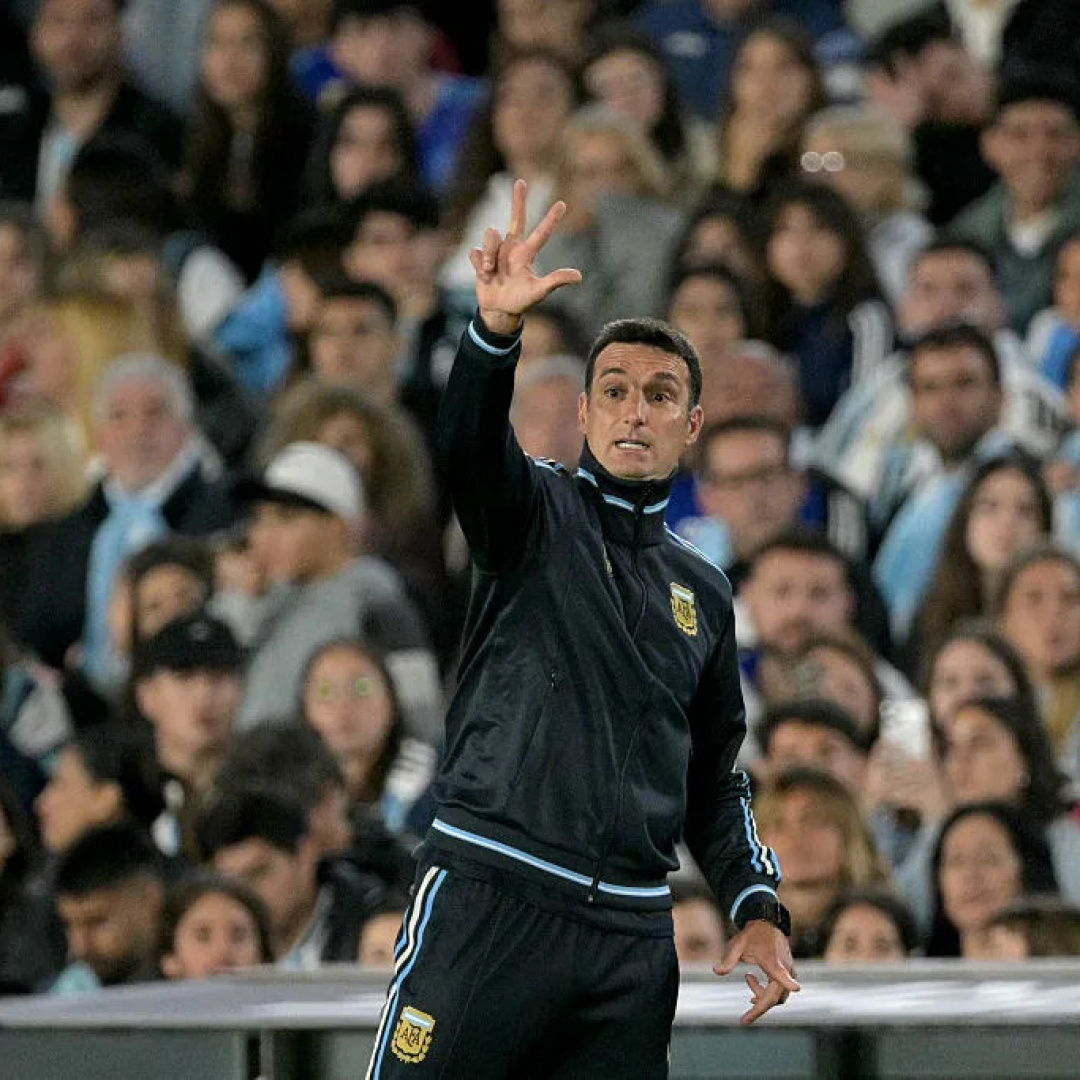
In response to the ruling, the AFA has announced plans to escalate the matter to the Court of Arbitration for Sport (CAS). In their statement, they expressed their intent to request the grounds for FIFA's decisions and pursue a new review, believing they have sufficient factual and legal grounds to support their appeal. This move underscores the AFA's commitment to defending both the players' rights and its own interests.
Interestingly, this is not the first time the AFA has sought changes to FIFA's disciplinary decisions. In February 2022, FIFA imposed two-match suspensions on several Argentine players following an abandoned World Cup qualifier against Brazil due to COVID-19 protocol violations. The AFA appealed that decision as well, resulting in a reduced fine but unchanged player suspensions.
The ongoing saga of Paredes and Molina highlights the complexities of FIFA's disciplinary processes and the challenges faced by national federations in navigating these waters. As the AFA prepares for its appeal to CAS, the implications of these decisions will likely resonate beyond the immediate suspensions, affecting Argentina's future fixtures and the players' careers.
The implications of FIFA's ruling
The differing outcomes for Paredes and Molina raise questions about consistency in FIFA's disciplinary measures. Paredes has publicly expressed his dissatisfaction with the length of his ban, labeling it "exaggerated" and questioning the fairness of the sanctions, especially in light of Gavi's much lighter punishment. Gavi himself has suggested that Paredes should not have been suspended at all, indicating a divide in perspectives on the incident.
As the AFA moves forward with its appeal, the focus will be on how these decisions impact Argentina's upcoming matches and the players' ability to contribute to the national team. The federation's strategy to have players serve their suspensions during friendly matches rather than competitive fixtures may provide some relief, but the long-term effects of these bans on team dynamics and player morale remain to be seen.
The Final Whistle
Ultimately, the situation serves as a reminder of the high stakes involved in international football, where disciplinary actions can have far-reaching consequences. As the AFA prepares to challenge FIFA's decisions, the football community will be watching closely to see how this saga unfolds and what it means for the future of Argentine football on the world stage.