Evaluating the Packers' Trade Options Ahead of the 2026 Deadline
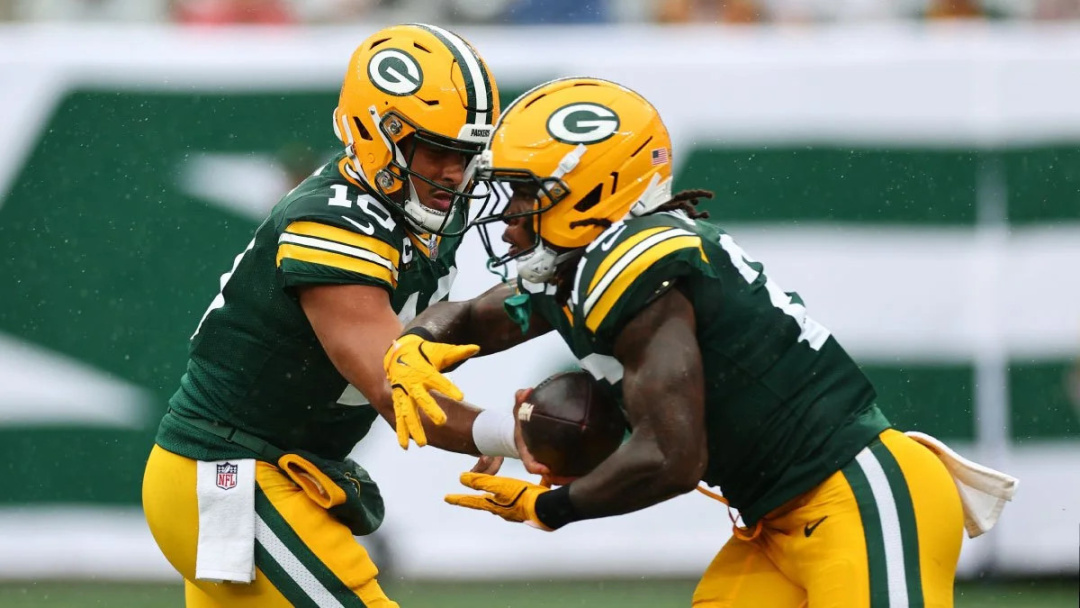
The Green Bay Packers find themselves in an intriguing position as they approach the 2026 NFL trade deadline. Following a solid 27-19 victory over the Carolina Panthers, the Packers improved their record to 5-3, prompting a shift in focus from potential roster dismantling to strategic enhancements aimed at supporting a playoff push. General manager Brian Gutekunst faces critical decisions regarding veterans and developmental players, weighing their current contributions against potential returns that could bolster other positions or replenish draft capital.
As the November 10 trade deadline looms, three players stand out as the most likely candidates for departure: Jonnu Smith, Keisean Nixon, and Kaleb Johnson. Each player presents a unique case for consideration, reflecting the Packers' current roster dynamics and future aspirations. This analysis ranks these players based on their likelihood of being traded, without implying that any departure is inevitable.
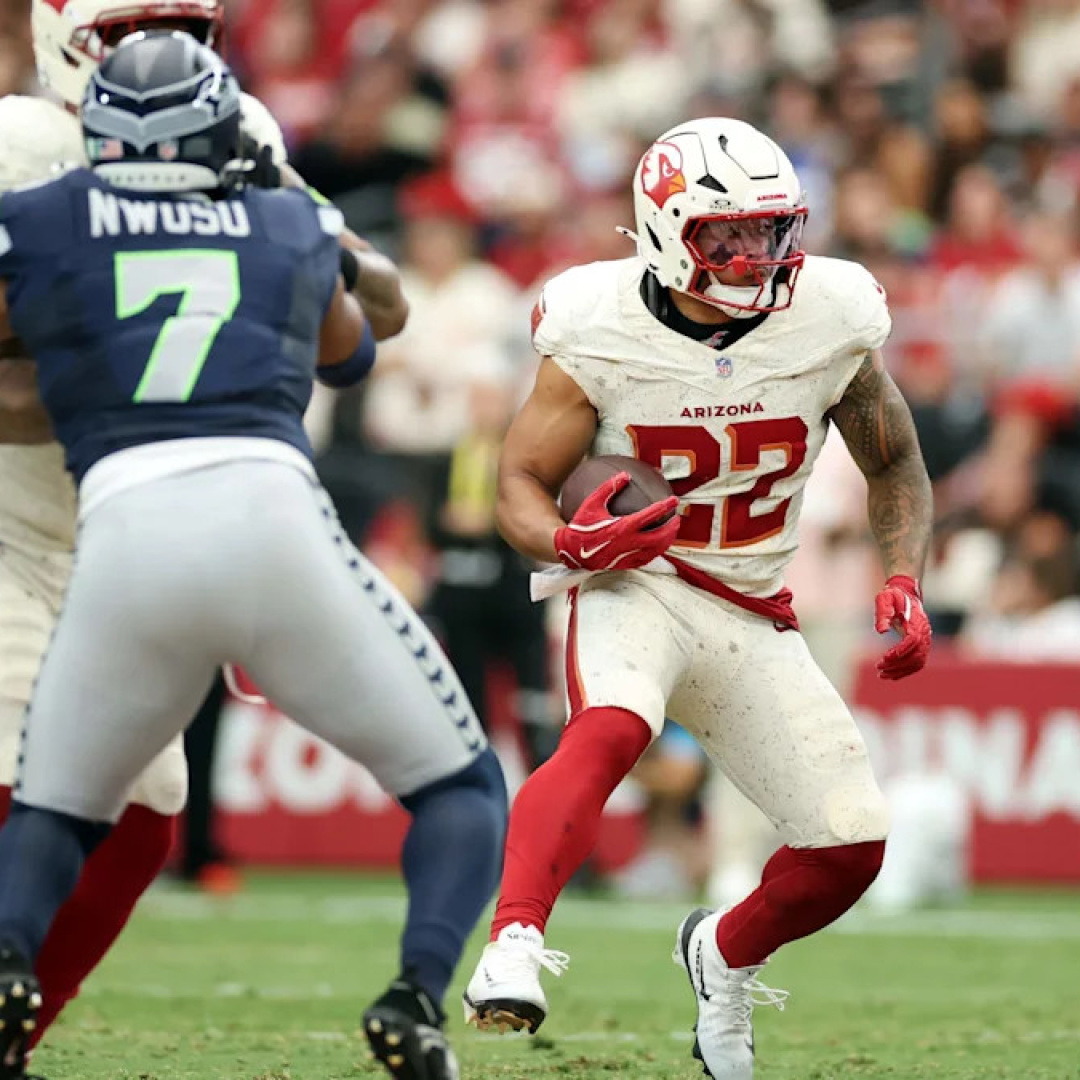
Starting with Kaleb Johnson, he ranks third on the list. Acquired from the Pittsburgh Steelers for a sixth-round pick in 2028, Johnson has struggled to find his footing in the Packers' backfield. With only 104 rushing yards on 28 carries this season, averaging 3.7 yards per attempt, his role has diminished significantly. His recent inactivity against the Panthers highlights his declining status, as he now sits behind Josh Jacobs, MarShawn Lloyd, and Pierre Strong Jr. on the depth chart. While another team might view Johnson as a low-cost developmental prospect, the Packers should be cautious about trading him without a clear understanding of his potential value, especially given their prior investment in him.
Assessing Nixon's trade implications for defense
Keisean Nixon comes in at second place, primarily due to the implications of his expiring contract. The veteran cornerback is in the final season of a three-year deal signed in 2024, which complicates the decision-making process for the Packers. While Nixon has been a reliable starter, his potential trade value must be weighed against the immediate impact of losing him from a defense that is striving for postseason success. The Packers have alternatives on the roster, including Carrington Valentine and others, but trading Nixon would require a solid plan to replace his experience and contributions. The organization must consider whether the return from a trade would justify the risk of losing a key defensive player at such a critical juncture.
No Points for Excuses
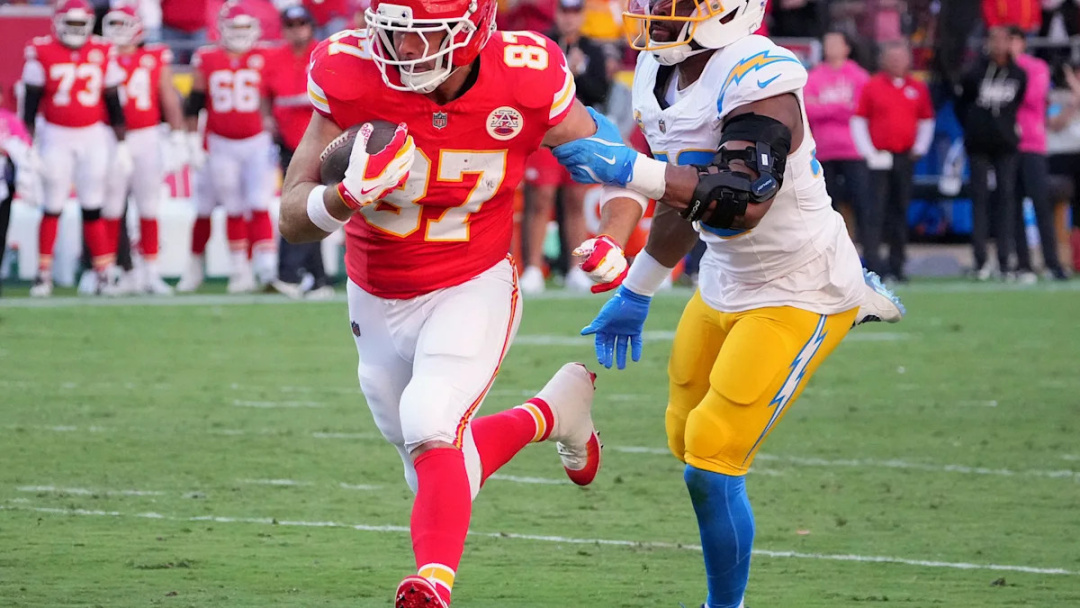
Leading the list is Jonnu Smith, who presents the clearest case for a potential trade. The 31-year-old tight end has seen his role diminish significantly, with only six receptions for 94 yards and no touchdowns this season. His inactivity against the Panthers underscores the limited impact he has had on the offense. With Tucker Kraft now ahead of him on the depth chart, Smith's expiring contract and reduced role make him an attractive option for teams seeking experienced receiving depth at a manageable cost. While Smith's past performance with the Miami Dolphins showcased his potential, teams must evaluate his current capabilities rather than rely solely on his historical production. A late-round pick or conditional selection could be a reasonable return for the Packers if they decide to move him, especially if it helps maintain depth behind Kraft.
As the Packers navigate these trade discussions, they must balance the potential benefits of moving these players against the immediate needs of their roster. While Johnson's future remains uncertain, Nixon's experience is invaluable, and Smith's departure could be the least disruptive option. Ultimately, the Packers must consider whether retaining all three players might serve their playoff ambitions better than any potential trade returns. The decisions made in the coming days will significantly impact the team's trajectory as they aim for postseason success.